Many cat owners notice their cats are irresistibly drawn to bathrooms, whether it’s following you in, jumping in the tub, or lounging on cool tiles. But is this endearing feline behavior safe, and why are so many cats obsessed with this particular room? Exploring these questions reveals insights into cat psychology, safety considerations, and practical tips for keeping your bathroom—and your cat—both happy and hazard-free.
Common Reasons Cats Love the Bathroom
Cats display quirky preferences, and their fascination with bathrooms has a basis in instinct, curiosity, and comfort. Below are the most common reasons for this behavior:
- Running Water: Many cats are enchanted by the sound and movement of running water—whether from a dripping tap, a flushing toilet, or the shower. It piques their hunting instincts and often seems fresher or more interesting than water in a bowl.
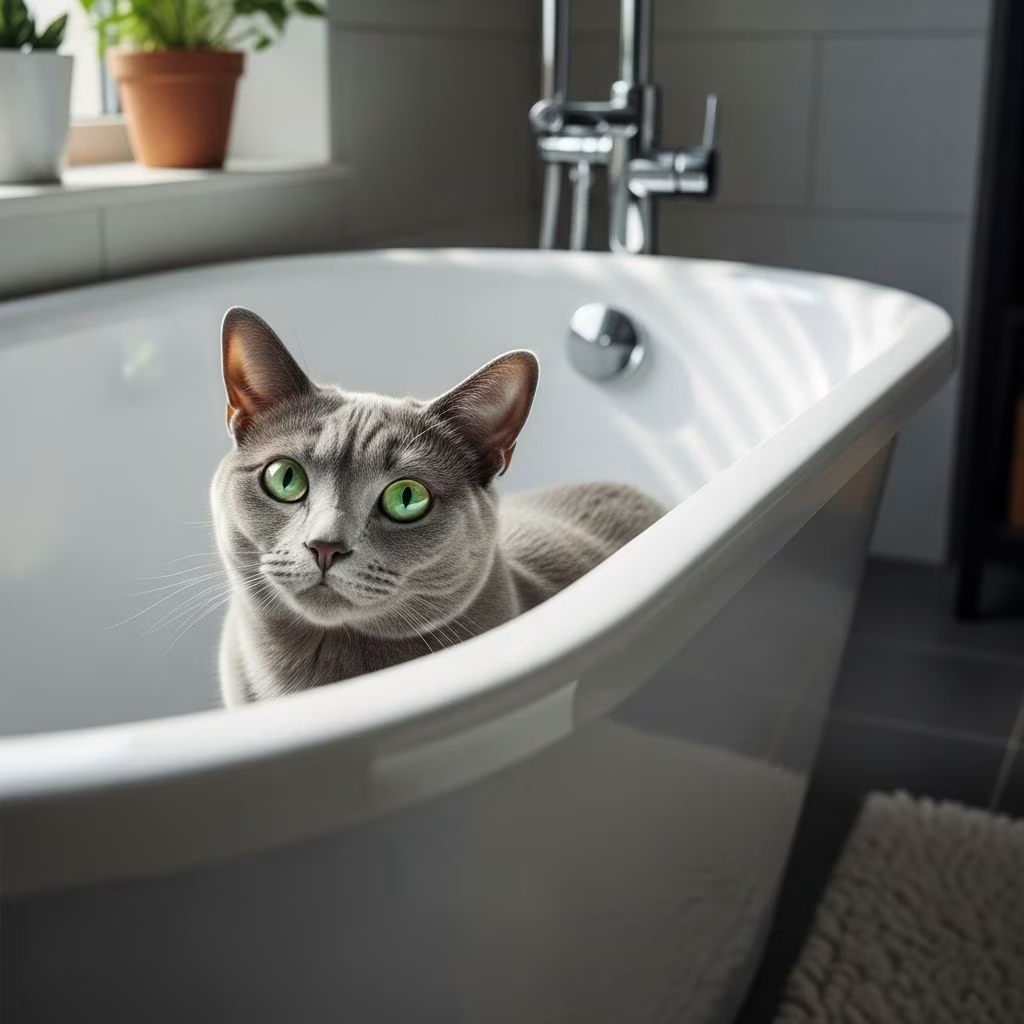
- Enclosed, Safe Spaces: Bathrooms often offer confined areas—like bathtubs, sinks, and behind the toilet—where a cat can relax and feel safe. The acoustics can also make the bathroom feel like a den.
- Cool Surfaces: Tiles, bathtubs, and sinks offer cool surfaces that are especially attractive for lounging during warm weather.
- Attention Seeking: Cats quickly learn that following their humans into the bathroom often results in attention, petting, or even play.
- Curiosity and Novelty: The bathroom is typically filled with unique smells, objects, and sounds that stimulate a cat’s senses. Closed doors also increase their curiosity.
- Textural Interests: Toilet paper, bathmats, curtains, and towels offer intriguing textures for playful cats to interact with.
- Privacy: Some cats appreciate that humans are less distracted or moving around too much in the bathroom, creating a perfect opportunity for one-on-one bonding.
Bathroom Safety Concerns for Cats
Though the bathroom may seem harmless, it can pose several significant risks for curious felines. Understanding these dangers is crucial for making the room safer.
- Chemical Exposure: Cleaning products, medications, and hygienic items (like mouthwash or toothpaste) contain toxins that are dangerous—even deadly—if ingested by cats. Residues on surfaces can be licked from paws or fur.
- Water Hazards: Open toilets, full bathtubs, or sinks present drowning risks, especially for kittens or small cats. Drinking toilet water is also unsafe due to chemical cleaners.
- Plastic and String Hazards: Dental floss, cotton swabs, plastic, and packaging are often found in the bathroom and can cause fatal blockages if swallowed.
- Sharp Objects: Razors, scissors, tweezers, and similar items often left on counters or in drawers, can result in injury if batted around or chewed.
- Small Spaces and Traps: Tight spots behind the toilet or around the cabinetry can lead to entrapment or accidental injury.
- Toilet Paper Rolls: While not a direct hazard, unraveled toilet paper can create messes if consumed, but bigger risks arise from swallowing large amounts.
Making Your Bathroom Cat-Safe
To safeguard your cat’s health and reduce risks, consider the following preventative strategies:
- Keep Lids and Doors Closed: Always lower the toilet lid and, if possible, keep the bathroom door closed, especially when not in use.
- Secure Trash and Chemicals: Use covered trash bins with locking lids to prevent foraging. Store medications, dental floss, cleaning products, and personal hygiene items in locked cabinets or out of reach.
- Monitor Water Access: Do not leave standing water in tubs or sinks. Remove your cat from the bathroom before running a bath or filling the sink.
- Choose Safe Cleaning Products: Opt for pet-safe cleaning solutions and rinse surfaces thoroughly to remove chemical residues. Consult your veterinarian for recommendations on safe products.
- Pick Up Toys and Temptations: Remove or secure toilet paper, tissues, shower curtains, cords, and towels if your cat is prone to play-induced chaos.
- Supervise Bathroom Visits: If your cat insists on joining you, provide supervision. Redirect their curiosity with water fountains or safe toys.
Safety Table: Bathroom Risks and Prevention
| Hazard | Potential Harm | Preventive Action |
|---|---|---|
| Toilet Lid Left Open | Drowning, chemical ingestion | Keep toilet lids closed at all times |
| Cleaning Products | Toxic ingestion, respiratory issues | Store securely, use pet-safe cleaners |
| Dental Floss, Swabs | Digestive blockages, choking | Keep covered trash cans, dispose promptly |
| Open Trash Bins | Access to hazardous waste | Use bins with secure, locking lids |
| Standing Water | Drowning risk | Empty sinks/tubs, never leave cat unsupervised |
Should You Allow Your Cat in the Bathroom?
The answer depends on your home, your cat’s personality, and how well you’ve mitigated risks. Some owners enjoy sharing the space, while others prefer keeping the bathroom off-limits. Here are questions to consider:
- Does your cat show destructive or risky behavior in the bathroom?
- Are you able to ensure all hazards are consistently removed?
- Is your bathroom used for storing chemicals or items dangerous to pets?
- Do you live in a household with children who may forget to close lids or doors?
In many cases, simply closing the door is the easiest solution, especially if you are out of the house or have young animals.
Why the Litter Box Might Not Solve Everything
Some cats are drawn to the bathroom because it mimics the privacy and seclusion of their litter box. However, a litter box placed in a bathroom brings its own set of considerations:
- Odor Control: Bathrooms are generally more ventilated, which helps with smells, but it’s still essential to clean the litter box frequently for hygiene and health.
- Behavioral Health: A clean litter box reduces the risk of urinary tract infections, constipation, and accidents outside the box. Neglecting cleanliness can drive your cat to use alternative spots—like your tub or sink.
- Multiple Cats: Households with several cats must provide enough litter boxes (recommendation: one per cat, plus one extra) and space them apart, even if using the bathroom as a litter box spot.
- Shared Space Risk: Flushing cat waste is not recommended. “Flushable” litters can clog plumbing and spread disease if not handled properly.
Toilet Training Cats: Pros and Cons
The prospect of never scooping litter again is tempting, but is toilet training your cat advisable? Consider these key pros and cons:
| Pros | Cons |
|---|---|
|
|
Most feline behavior experts and veterinarians do not recommend toilet training. The risks frequently outweigh the benefits, and access to a clean, well-maintained litter box better matches a cat’s natural instincts and health needs.
Alternative Ways to Fulfill Your Cat’s Bathroom Curiosity
If you’re desperate to keep the bathroom cat-free but want to satisfy your furry friend’s needs, try these healthy alternatives:
- Install Cat Fountains: Cats love running water. Pet fountains can add enrichment and promote better hydration.
- Offer Cool Resting Spots: Provide ceramic or marble tiles elsewhere in the home—cats will use these cool surfaces for lounging, especially in warm weather.
- Increase Playtime: Rotate interactive and solo toys, and set aside time for daily play to simulate hunting and exploring.
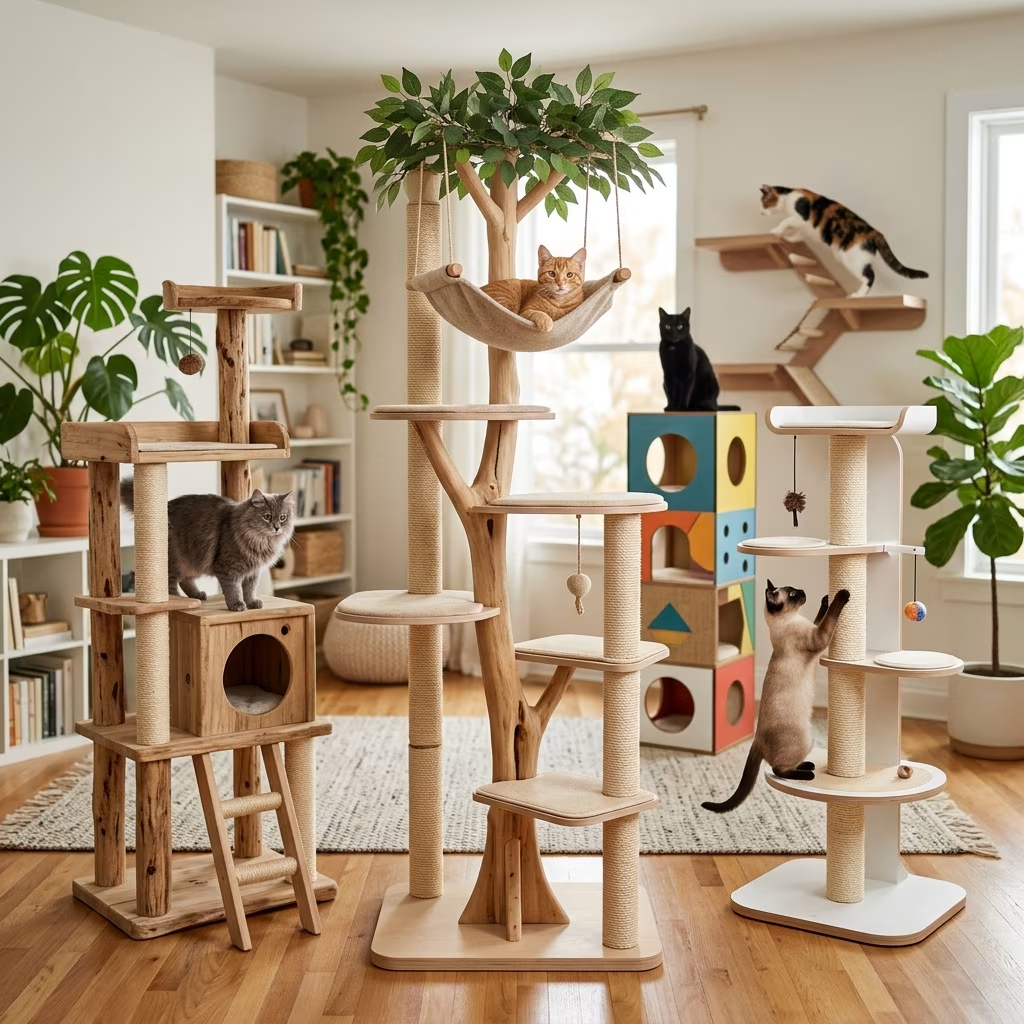
- Provide Perches and Hiding Spaces: Give cats their own “dens”—cat trees, beds, or cardboard hideouts—to mimic the safety of tight bathroom nooks.
- Stimulate with New Scents: Offer safe herbs (like catnip or silvervine) and swap out bedding or scratchers to satisfy your cat’s curiosity for novelty.
Frequently Asked Questions (FAQ)
Why does my cat insist on following me to the bathroom?
Cats are naturally curious and often want to be near their humans, especially in spaces where privacy is common. Some cats associate bathroom visits with extra attention, playtime, or simply prefer the closed, den-like environment.
Can leaving the toilet lid up really harm my cat?
Yes. Open toilets pose drowning risks, especially to kittens or smaller cats, and chemicals from cleaning products can be dangerous if ingested from toilet water.
Is it okay to keep my cat’s litter box in the bathroom?
Yes, provided the bathroom is safe and ventilated. Clean the box frequently, use unscented litter, and ensure the box is easily accessible. Never flush cat waste unless the product is specifically designed for that use and your plumbing can handle it.
Should I try toilet training my cat?
Toilet training is not recommended by most feline veterinarians and behaviorists because it can be stressful and forces cats to abandon natural behaviors, with potential consequences for both health and hygiene.
What cleaning products are safe for use in a cat-accessible bathroom?
Choose products specifically labeled as “pet-safe” or approved by your veterinarian. Avoid ammonia, bleach, and strong disinfectants; always rinse surfaces thoroughly to remove any residue before allowing your cat access.
Key Takeaways (Summary)
- Cats love bathrooms for their textures, cool surfaces, and intriguing sights and sounds.
- Bathrooms contain hidden dangers—always keep hazardous items, open water, and sharp objects secured and out of reach.
- Maintaining a clean litter box in a safe, accessible area is healthier and preferable to toilet training.
- Fulfill your cat’s curiosity safely through enrichment activities and environmental management outside the bathroom.
References
- https://www.fearfreehappyhomes.com/bathroom-basics-roll-out-these-safety-tips-for-cats/
- https://www.alexanderanimalhospital.com/why-a-clean-litter-box-is-essential-for-cat-health/
- https://www.petplace.com/article/cats/pet-care/toilet-training-your-cat
- https://www.preventivevet.com/cats/7-reasons-not-to-toilet-train-your-cat
- https://www.youtube.com/watch?v=FMDznO5iRXQ
- https://vetmed.tamu.edu/news/pet-talk/cat-baths/
- https://www.kinship.com/cat-behavior/why-does-my-cat-follow-me-to-the-bathroom
- https://justcatsclinic.com/home-renovations-and-your-cat-keeping-your-sanity/