Introduction to Coprophagia
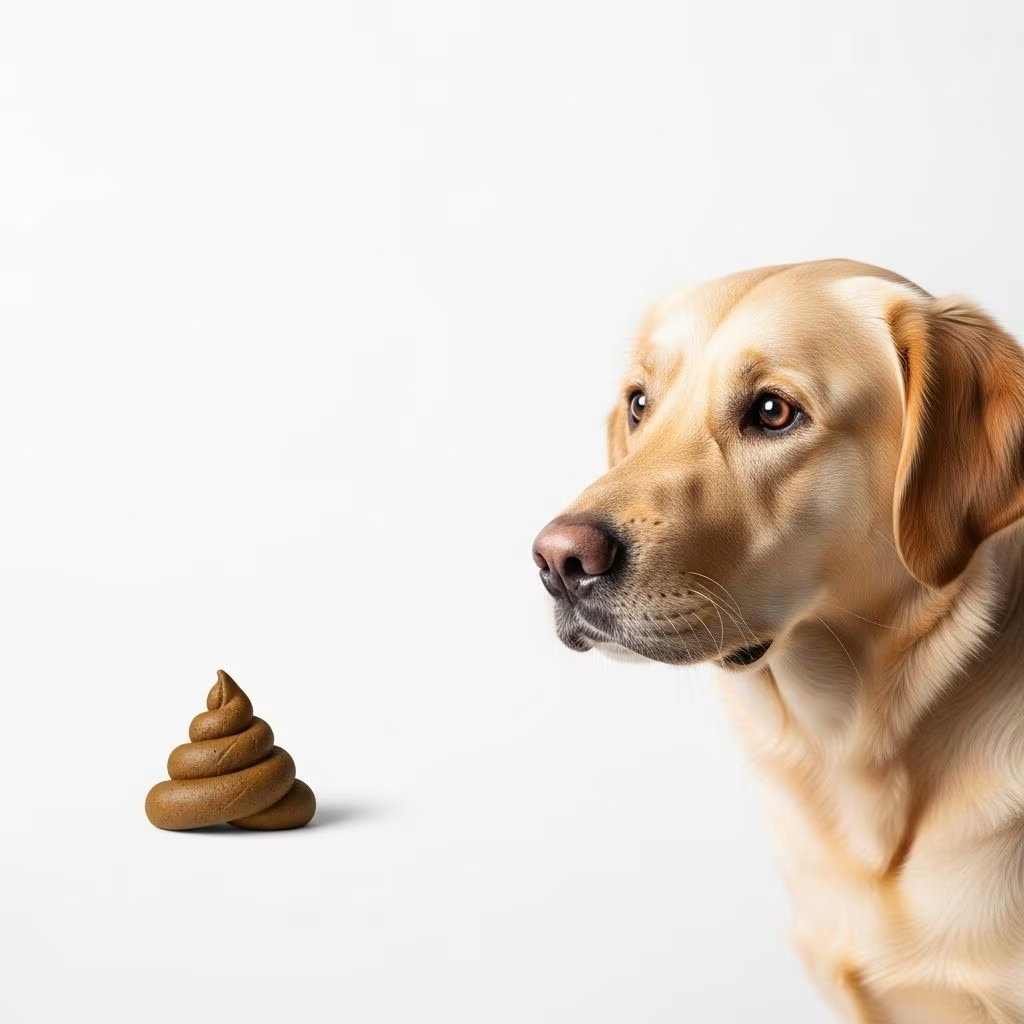
Coprophagia, or the act of eating feces, is a behavior observed in dogs that can be both puzzling and concerning for dog owners. Approximately half of all dogs will engage in this behavior at some point in their lives. Understanding the reasons behind coprophagia is crucial for addressing it effectively.
Reasons Why Dogs Eat Poop
There are several theories as to why dogs eat feces. These can be broadly categorized into nutritional, behavioral, and medical factors.
Nutritional Factors
Dogs might eat feces due to nutritional deficiencies or the presence of undigested nutrients in the stool. The gut microbiome plays a significant role in digestion and nutrient absorption, and an imbalance could lead dogs to seek out additional sources of beneficial bacteria.
Behavioral Factors
- Anxiety and Stress: Some dogs engage in coprophagia as a coping mechanism for anxiety or stress.
- Attention-Seeking: Dogs may eat feces to get a reaction from their owners.
- Environmental Factors: Dogs isolated or confined to small spaces may develop this behavior.
Medical Factors
Coprophagia can sometimes indicate underlying medical issues, such as malabsorption syndromes or gastrointestinal problems. Certain conditions like diabetes or Cushing’s disease can also lead to increased appetite, causing dogs to eat feces.
Addressing Coprophagia in Dogs
To address coprophagia, it’s important to rule out any underlying medical issues by consulting a veterinarian. Behavioral modification techniques and environmental changes can also help reduce this behavior.
Behavioral Modification
Techniques such as limiting access to feces, using positive reinforcement, and providing enrichment activities can help reduce coprophagia.
Environmental Changes
Ensuring a regular feeding schedule, providing a nutrient-rich diet, and reducing stress through environmental adjustments can also help.
FAQs
Q: Is coprophagia harmful to dogs?
A: While generally not harmful, eating feces can expose dogs to parasites and diseases. It’s important to address the underlying cause and ensure proper health checks.
Q: Can coprophagia be prevented?
A: Yes, by identifying and addressing the underlying causes, such as nutritional deficiencies or behavioral issues, and making environmental adjustments.
Q: How common is coprophagia in dogs?
A: It is relatively common, with about one in four dogs observed eating feces at least once.
References
- https://www.thekennelclub.org.uk/health-and-dog-care/health/health-and-care/a-z-of-health-and-care-issues/why-does-my-dog-eat-poop/
- https://nationalzoo.si.edu/center-conservation-genomics/news/why-do-animals-eat-poop-and-why-it-might-be-good-thing
- https://pmc.ncbi.nlm.nih.gov/articles/PMC5980124/
- https://www.animalbiome.com/blogs/dog/feasting-on-feces-why-do-dogs-eat-poop
- https://www.animalhumanesociety.org/resource/poop-there-it-real-story-behind-why-your-dog-eats-poop
- https://www.akc.org/expert-advice/health/why-dogs-eat-poop/