Yeast Infections in Dogs: An In-Depth Guide
Yeast infections are a common and uncomfortable condition that affect many dogs. They can occur anywhere on a dog’s body but are most likely found on the paws, in the ears, or in skin folds. Recognizing the signs, understanding the causes, and knowing the best treatment and prevention methods are essential for owners looking to keep their pets healthy and comfortable.
What is a Yeast Infection in Dogs?
A yeast infection in dogs refers to an overgrowth of naturally occurring yeast, which are spore-producing fungi found on your pet’s skin. Under normal circumstances, yeast coexists with bacteria and causes no harm. However, when the balance is disturbed, yeast can multiply excessively, leading to inflammation, itching, and other skin or ear problems.
Yeast infections in dogs are commonly referred to as Malassezia dermatitis or yeast dermatitis. The most prevalent form is caused by the organism Malassezia pachydermatis, which thrives on the skin’s oils and in moist environments.
Main Areas Affected by Yeast Infections
- Ears: The warm, moist environment provides a perfect breeding ground for yeast.
- Paws: Especially between the paw pads.
- Skin folds: Breeds with wrinkles are at increased risk.
- Other skin areas: Yeast may invade any part of the body exposed to moisture, irritation, or damage.
Common Symptoms of Yeast Infections in Dogs
Symptoms can vary based on the site and severity of infection, but common signs to watch for include:
- Redness and inflammation of affected skin
- Itching and scratching (sometimes intense and persistent)
- Musty or cheesy odor from the infected area
- Greasy, oily, or waxy skin texture
- Flaky, scaly, or crusty skin
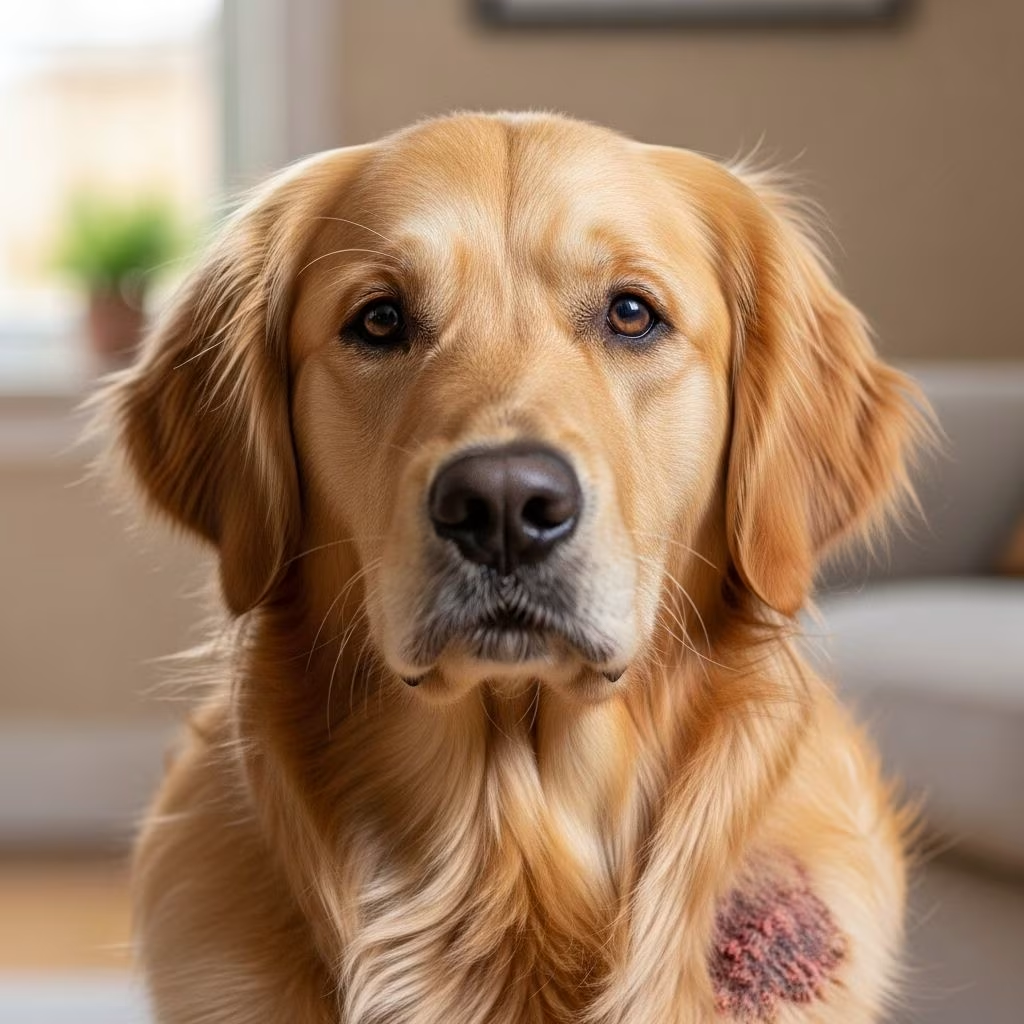
- Darkly pigmented (gray or black), thickened, or “elephant” skin
- Constant licking, biting, or chewing at the affected area
- Discoloration of fur near infected sites
- Sores or lesions on the skin
- Swelling, warmth, and pain
- Hair loss or bald patches
- Head tilting, shaking, or hearing loss (if ears are affected)
- Limping or favoring a paw (if paw is affected)
The first symptoms are usually odor, redness, and swelling. With progression, the skin may become painful and thickened. Severe ear infections can result in hearing loss if untreated.
Causes of Yeast Infections in Dogs
Yeast overgrowth is typically secondary to other factors that disturb the balance of the skin’s environment. Main causes include:
- Allergies (to food, environment, fleas, etc.)
- Immunosuppression (illness, medications)
- Antibiotic use (which can kill beneficial bacteria, allowing yeast to proliferate)
- Excessive moisture (frequent bathing, swimming, humid climates)
- Underlying hormonal disorders (hypothyroidism, Cushing’s disease)
- Genetic predisposition: Breeds with skin folds (Bulldogs, Shar Peis), floppy ears (Cocker Spaniels), or allergies are more susceptible
Diagnosing Yeast Infections in Dogs
A veterinary diagnosis is important to confirm yeast infection and rule out other skin conditions. Methods include:
- Physical Examination: Visual inspection for redness, swelling, odor, or changes in skin texture
- Skin Scraping or Swabs: Samples collected and examined under a microscope for yeast cells
- Medical History Review: Discussion of allergies, prior antibiotic use, and chronic health issues
- Cytology: Cells from the skin or ears stained and identified
Accurate diagnosis ensures the most effective treatment plan and excludes similar conditions like bacterial pyoderma or ringworm.
Treatment of Yeast Infections in Dogs
Treatment typically involves both topical and oral methods, depending on the severity and location of the infection.
Topical Treatments
- Medicated Shampoos: Essential for treating yeast dermatitis. Usually begin with a “degreasing” using selenium sulfide or benzoyl peroxide, followed by antifungal shampoos containing chlorhexidine, miconazole, or ketoconazole. The shampoo should be in contact with the skin for 10 minutes, repeated every 3–5 days for 2–12 weeks.
- Antifungal Creams and Ointments: Applied directly to infected areas, especially if localized (i.e., a single spot or the ears).
- Paw Soaks: For paw infections, soaking in veterinary-recommended solutions soothes irritation and cleanses the skin.
Oral Treatments
- Oral Antifungal Medications: Prescribed for persistent, widespread, or chronic infections. Common drugs include ketoconazole, itraconazole, terbinafine, and fluconazole. These medications are effective but require close monitoring due to potential liver side effects.
- Antibiotics: Sometimes administered for simultaneous bacterial infections (pyoderma), typically for 4–12 weeks.
- Immunomodulatory Medications: Corticosteroids (prednisone), cyclosporine (Atopica), Apoquel, or Cytopoint may be used to reduce inflammation and itching during antifungal therapy.
- Immunotherapy: Used for dogs with yeast hypersensitivity, to retrain the immune response (either by injection or orally).
| Treatment Type | Examples | Duration | Notes |
|---|---|---|---|
| Topical (shampoo/ointment) | Chlorhexidine, miconazole, ketoconazole shampoos | 2–12 weeks | Leave on skin for 10 mins, use every 3–5 days |
| Oral antifungals | Ketoconazole, itraconazole, terbinafine, fluconazole | Several months | Monitor with routine blood tests |
| Antibiotics | As prescribed (for pyoderma) | 4–12 weeks | For co-existing bacterial infections |
| Immunotherapy | Subcutaneous or oral | Varies | For yeast hypersensitivity cases |
Dietary Adjustments & Supportive Care
- Hypoallergenic Diets: If food allergies contribute, a change to a limited ingredient or hypoallergenic food may help.
- Probiotics: Help restore the balance of healthy bacteria and yeast in the system.
Always follow your veterinarian’s therapy plan and do not discontinue medication prematurely, even if symptoms improve.
Prognosis for Yeast Infection Treatment
Most cases are treatable and respond well to medication. Improvement is often seen within a week, especially regarding itchiness and irritation. However,
chronic or recurring infections may require prolonged or repeated courses and aggressive control of any underlying issues (allergies, endocrine diseases, etc.). Prognosis largely depends on the dog’s overall health and the successful management of predisposing conditions.
Prevention of Yeast Infections in Dogs
Preventing recurrence is possible by addressing underlying factors and maintaining good skin health:
- Routine grooming: Regular brushing and bathing with appropriate products
- Drying ears and paws after swimming or baths
- Managing allergies: Avoid trigger foods and environmental allergens where possible
- Regular veterinary checkups: Early detection and prevention of chronic illnesses or secondary infections
- Proper nutrition: High-quality balanced diet and use of recommended supplements
Yeast Infections in Dog Ears
The ears are particularly susceptible due to their moist, warm environment. Signs specific to ear infections include:
- Head shaking and tilting
- Ear scratching and discomfort
- Redness and swelling inside the ear canal
- Musty odor from the ears
- Hair loss around the ears (in severe cases)
Ear yeast infections, if untreated, may lead to chronic inflammation, secondary bacterial infection, and possible deafness. Treatment involves cleaning the ears, topical antifungal ointments, and sometimes oral medications for persistent cases.
Special Considerations: Yeast Infections on Paws & Skin Folds
Certain breeds are more prone to yeast infections on their paws or within their skin folds. Predisposing factors include moisture trapped in folds and crevices, exposure to environmental allergens, or trauma from excessive licking.
- Paw infections may cause limping, favoring feet, and constant licking or biting.
- Skin folds can become raw, smelly, and painful without vigorous hygiene management.
Topical treatments and regular cleaning are essential for management.
Frequently Asked Questions (FAQs)
Q: Can yeast infections in dogs be contagious?
No, yeast infections themselves are not contagious to humans or other pets. They are a result of internal imbalances, not an external infection.
Q: How long does it take for a yeast infection to clear up with treatment?
Mild cases may resolve in 2–3 weeks with appropriate therapy, while chronic or severe outbreaks may take several months and require ongoing management.
Q: Can I use over-the-counter antifungal creams for my dog’s yeast infection?
Never use human medicines without veterinary guidance. OTC antifungals can be harmful or ineffective. Always consult your vet for safe options.
Q: What happens if a yeast infection goes untreated?
Unchecked infections can cause widespread skin damage, chronic discomfort, secondary bacterial infections, and (in the ears) hearing loss. Prompt treatment is vital.
Q: Are certain breeds more susceptible?
Yes. Breeds with prominent skin folds (Bulldogs, Shar Peis), floppy ears (Cocker Spaniels, Poodles), or a history of chronic allergies are at increased risk.
Key Takeaways for Dog Owners
- Watch for odor, itching, and redness—the earliest signs of yeast infection.
- Prompt, proper veterinary diagnosis is essential for effective treatment.
- Use all prescribed medications and maintain good hygiene and skin care practices.
- Address underlying health or allergy issues to prevent recurrence.
- Regular checkups help catch potential relapses early.
When to Contact Your Veterinarian
If you notice any combination of the listed symptoms—especially persistent odor, redness, swelling, hair loss, or changes in skin texture—contact your veterinarian for a full examination and treatment plan. Early intervention ensures the best chance for a quick recovery and comfort for your dog.
SEO Tips for Yeast Infection Awareness
- Include keywords like yeast infection in dogs, dog ear yeast infection, canine dermatitis.
- Address common search queries: symptoms, causes, treatments, prevention, and affected breeds.
- Use bulleted lists and clear headings for maximum readability.
References
- https://millsmarietta.com/blog/dog-yeast-infection-on-paw/
- https://vcahospitals.com/know-your-pet/yeast-dermatitis-in-dogs
- https://www.greensboroncvet.com/site/friendly-animal-clinic-blog/2020/08/11/fungal-dermatitis-dogs-signs-symptoms-treatments
- https://www.smalldoorvet.com/learning-center/medical/yeast-infections-in-dogs
- https://www.germantownah.com/site/blog-memphis-vet/2022/03/15/yeast-dog-dermatitis
- https://animaldermatologypdx.com/yeast-skin-infection/
- https://www.millerclarkanimalhospital.com/site/blog/2022/03/18/yeast-dermatitis-dogs