Yorkiepoo Overview
The Yorkiepoo (also known as Yorkie-Poo, Yorkie Poo, or Yoodle) is a popular hybrid breed created by crossing a Yorkshire Terrier with a Toy or Miniature Poodle. Renowned for their affectionate, playful, and intelligent nature, Yorkiepoos make ideal companions for families, singles, and seniors alike. Their small size and adaptable temperament suit a variety of living situations, including apartments and homes with limited space.
Thanks to their Poodle heritage, many Yorkiepoos feature low-shedding, hypoallergenic coats, adding appeal for those concerned about allergies.
Quick Breed Facts
| Breed Name | Yorkiepoo |
|---|---|
| Parent Breeds | Yorkshire Terrier & Toy/Miniature Poodle |
| Size | Small (3–15 lbs; 7–15 inches at shoulder) |
| Typical Lifespan | 10–15 years |
| Coat | Soft, straight, wavy, or curly; various colors |
| Temperament | Affectionate, Intelligent, Playful, Sociable |
Physical Traits & Appearance
- Size & Build: Lightweight and compact, Yorkiepoos weigh between 3 and 15 pounds and stand 7 to 15 inches tall. Their frame is delicate yet sturdy, making them highly portable and suited to small homes or apartments.
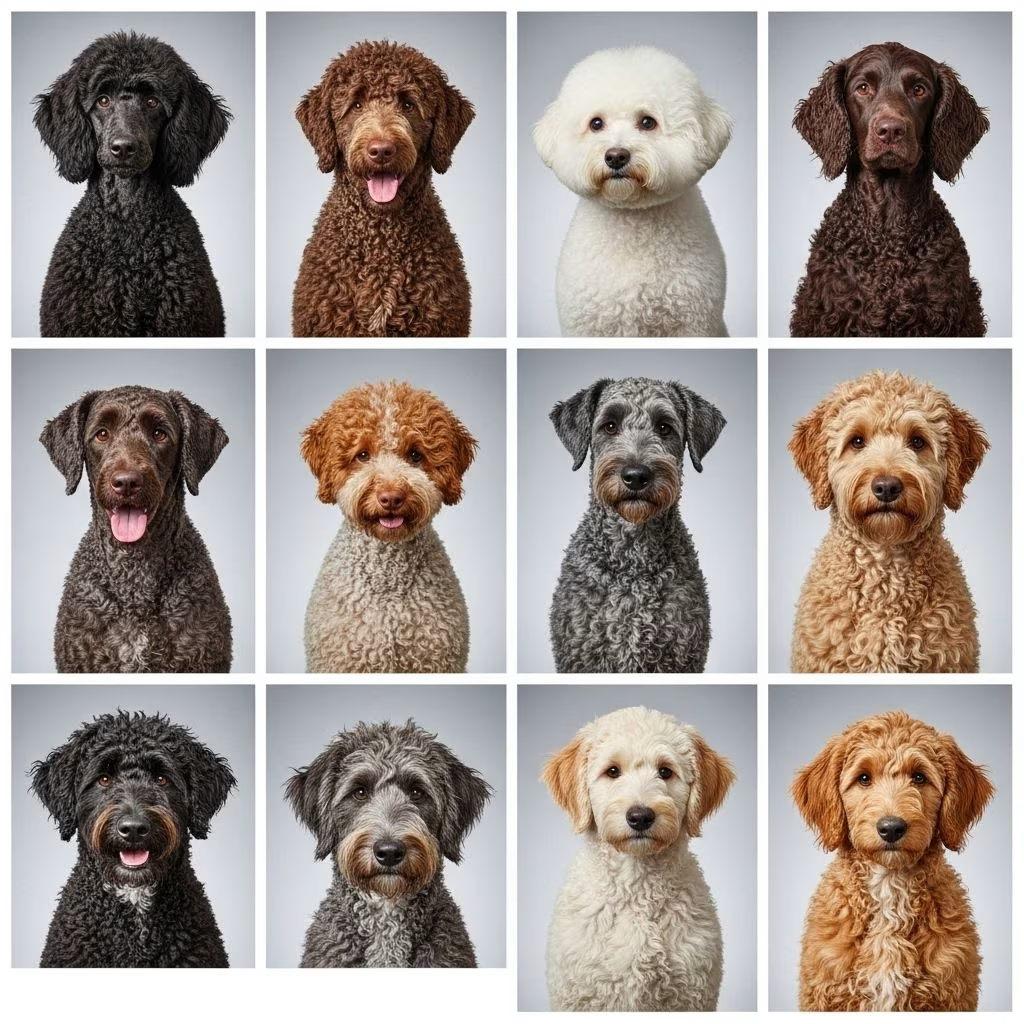
- Coat Variation: The coat can be straight, wavy, or curly, and is typically soft and fine-textured. Depending on which parent they take after, Yorkiepoos may inherit the Poodle’s low-shedding, often hypoallergenic coat. Coat colors range widely, from black, brown, cream, white, apricot, gray, tan to mixed or patterned (parti-color) coats.
Detailed Facial Features
- Head Shape: Small and slightly rounded.
- Eyes: Round, dark, and expressive with a bright and alert look.
- Ears: Floppy, medium-length, sometimes feathered.
- Muzzle: Short to medium with a well-defined stop.
- Nose: Typically black or dark brown, small and button-like.
- Mouth: Compact with a scissor bite; lips are generally dark.
Do Yorkiepoos Shed?
Yorkiepoos are considered low-shedding dogs, an attribute they often inherit from their Poodle parent. This feature makes them attractive to allergy sufferers who need a pet with reduced hair loss. Shedding amount may vary depending on individual genetics—some Yorkiepoos may shed moderately if they inherit more traits from the Yorkshire Terrier side. Regular grooming and brushing are essential for managing loose hair and preventing tangles or mats.
Temperament & Personality
- Affectionate: Yorkiepoos thrive on bonding and love being close to their human families.
- Intelligent: Quick learners, making them responsive and easy to train.
- Playful: Lively and energetic, they enjoy interactive games and family activities.
- Sociable: Generally friendly with children, other pets (including cats), and strangers. Socialization from a young age helps them remain good-natured and outgoing.
- Loyal: Forms strong attachments, often displaying protective tendencies.
- Adaptable: Whether in a bustling household or a quiet apartment, Yorkiepoos acclimate well to their surroundings.
- Alert: Attentive and vocal, often barking to alert owners of movement or unusual sounds.
- Gentle: Well-suited for families with kids or elderly members.
Despite their confidence and playful attitude, Yorkiepoos dislike being left alone for extended periods and prefer environments where their family is frequently present.
Ideal Environment & Owner
- Environment: Yorkiepoos adapt well to various living spaces, from apartments to houses with small yards. Their compact size suits city living, but they also enjoy the freedom of a larger home.
- Ideal Owner: Yorkiepoos flourish with owners who can offer consistent attention, such as remote workers, retirees, or families.
They are particularly suitable for: - Families with children (especially older children who understand gentle play)
- Singles seeking a devoted companion
- Seniors or people with limited mobility, as Yorkiepoos do not require strenuous exercise
- Companionship Needs: Yorkiepoos are happiest when involved in daily family life and activities; prolonged solitude can lead to anxiety or behavioral issues.
Health & Lifespan
- Lifespan: With proper care, Yorkiepoos typically live 10 to 15 years.
- Common Health Concerns:
- Dental disease—regular brushing and vet checkups recommended
- Patellar luxation (loose kneecaps)
- Eye disorders (such as tear staining and cataracts)
- Allergies and skin sensitivities
- Possible hypoglycemia, particularly in very small dogs
Many health issues are manageable through routine veterinary care, a balanced diet, and daily grooming.
- Genetic Diversity: As a mixed breed, Yorkiepoos may be less prone to certain inherited health problems than purebred Yorkies or Poodles, but responsible breeding and health screening are crucial.
Grooming & Care Needs
- Brushing: Depending on coat type, Yorkiepoos benefit from brushing several times per week to prevent tangles and matting.
- Professional Grooming: Visits every 4–8 weeks help maintain coat length, cleanliness, and overall health.
- Bathing: Monthly bathing or as needed keeps their skin and fur healthy; always use a gentle, dog-specific shampoo.
- Ears & Eyes: Their floppy ears and expressive eyes should be checked regularly for debris, infection, or tear stains.
- Dental Hygiene: Brush teeth daily and schedule professional cleanings to avoid dental disease.
- Nail Trimming: Trim nails at least once monthly, or as needed, to prevent overgrowth and discomfort.
Exercise Requirements
- Activity Level: Yorkiepoos are energetic but do not require intensive exercise. Daily walks, play sessions, and interactive toys are sufficient.
- Indoor Games: Their small size allows for much of their activity needs to be met indoors, making them ideal for urban settings or homes without yards.
- Mental Stimulation: Incorporate training, puzzle toys, and new activities to engage their intelligence and prevent boredom.
Training Tips
- Positive Reinforcement: Use treats, praise, and play to motivate your Yorkiepoo during training sessions.
- Consistency: Stick to routines and clear commands for best results. Yorkiepoos excel at basic obedience and enjoy learning new tricks.
- Early Socialization: Introduce puppies to a variety of people, environments, and gentle animals early to encourage confident, well-rounded behavior.
Yorkiepoo Nutrition Guidelines
- Balanced Diet: Feed high-quality dry kibble or wet food formulated for small breeds; consult your veterinarian regarding portion size, as Yorkiepoos can be prone to weight gain.
- Meal Frequency: Adult Yorkiepoos usually thrive on two meals per day, while puppies may need three or more feedings.
- Safe Treats: Limit high-calorie treats to prevent obesity and dental problems.
Yorkiepoo as Family Pets
- Yorkiepoos are well-suited to life alongside children, especially if youngsters are taught proper ways to interact and handle delicate, small dogs.
- They can coexist with other dogs and even cats, provided they have been socialized as puppies.
- These dogs love participation in daily life, making them a great match for busy families or those seeking a devoted companion.
Common Myths & Misconceptions
- Allergy Friendly? While Yorkiepoos are often labeled as hypoallergenic because of their coat, some individuals may still cause allergies, especially if they inherit more traits from the Yorkshire Terrier parent.
- Exercise Needs: Yorkiepoos do not require strenuous workouts or long runs; moderate indoor or outdoor activity suffices, making them suitable for households with mobility limitations.
- Temperament Consistency: Hybrid breeds vary; while Yorkiepoos are generally playful and friendly, each dog’s personality can differ based on genetics and upbringing.
Frequently Asked Questions (FAQs)
Q: Are Yorkiepoos good for allergy sufferers?
A: Many Yorkiepoos are labeled hypoallergenic and shed little, which helps reduce allergic reactions. However, dander is still present, so sensitive individuals should consult breeders or spend time with the breed before adoption.
Q: How much daily exercise does a Yorkiepoo need?
A: Yorkiepoos need moderate activity such as daily walks and play sessions. About 30–45 minutes of physical activity per day is sufficient for most dogs.
Q: Can Yorkiepoos be left alone during the workday?
A: Yorkiepoos prefer company and may become anxious if left alone for long periods. Ideally, owners should arrange for a companion, dog walker, or interactive toys to keep them occupied.
Q: Are Yorkiepoos easy to train?
A: Yes, their intelligence and eagerness to please make them highly trainable, especially when positive reinforcement is used.
Q: What is the average Yorkiepoo lifespan?
A: With proper care, Yorkiepoos typically live between 10 and 15 years.
Is a Yorkiepoo Right for You?
If you seek a petite, lively, and affectionate companion with minimal shedding and a friendly nature, the Yorkiepoo may be the ideal pet. Their adaptability and playful spirit make them suitable for a range of owners and living environments. Prospective owners should be ready to provide consistent attention, regular grooming, and early socialization to ensure a happy, healthy relationship with this charming hybrid breed.
References
- https://www.petmd.com/dog/breeds/yorkiepoo
- https://dogtime.com/dog-breeds/yorkipoo
- https://www.rover.com/blog/breeds/yorkipoo/
- https://canna-pet.com/breed/yorkipoo/
- https://www.youtube.com/watch?v=ZyuX9OQbUiA
- https://www.purina-arabia.com/find-a-pet/dog-breeds/yorkipoo
- https://petto.com.pl/en/blogs/rasy-psow-kompendium-wiedzy/yorkiepoo-charakterystyka
- https://pettitookc.com/yorkiepoo-the-perfect-blend-of-yorkie-charm-and-poodle-intelligence/