


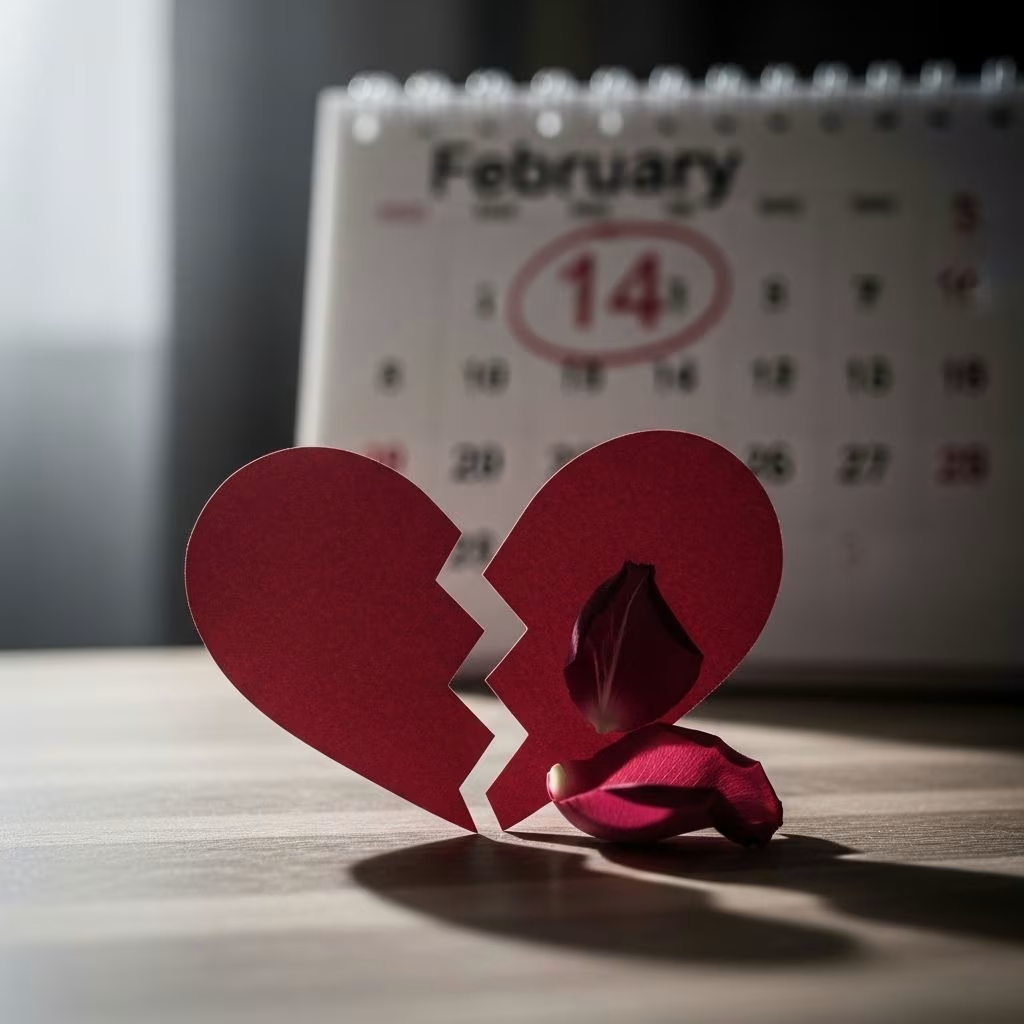
10 Signs Your Relationship Could End Before Valentine’s Day
Valentine’s Day, often celebrated as a festival of romance, also acts as a pressure-cooker moment for many couples. The heavy expectations, public declarations, and commercialization of the day forces partners to re-examine their true feelings. In many cases, this scrutiny leads to breakups right around Valentine’s—a phenomenon so common it’s produced the label “Red Tuesday,” the Tuesday before Valentine’s Day, infamous for the spike in breakups. Why does this period test relationships, and how do you spot a relationship on the edge? Here are the crucial signs that your partnership may not survive Valentine’s Day, and advice for navigating this emotionally charged time.
Why Do Breakups Happen Around Valentine’s Day?
The weeks leading up to February 14 bring heightened emotions and amplify issues that may have been simmering under the surface. Whether it’s the pressure to present a perfect relationship on social media, awkward conversations about commitment, or simply the fear of investing more emotionally and financially, the reasons for Valentine’s Day breakups are varied:
- Social comparison: Seeing other couples’ grand gestures can trigger dissatisfaction with one’s own relationship.
- Reflection on happiness: Holidays provoke self-examination; many people confront whether their current relationship is truly fulfilling.
- Financial factors: Not wanting to spend money on someone they no longer see a future with.
- Commitment concerns: Valentine’s Day can force a conversation about the seriousness of the relationship.
- External influences: Well-meaning friends and family may question your relationship or prompt new doubts.
The 10 Most Telling Signs Your Relationship is Vulnerable
Are you sensing storm clouds on the horizon? While every relationship is unique, certain red flags repeatedly appear in stories of Valentine’s Day breakups. Here’s what to watch for:
1. You Dread Spending Valentine’s Day Together
If the thought of organizing a romantic day with your partner brings anxiety instead of excitement, it’s a serious warning signal. Dreading the day rather than looking forward to celebrating suggests unresolved issues or lack of chemistry.
2. Communication Has Broken Down
Frequent misunderstandings, unreturned texts, or conversations that turn into arguments indicate emotional distance is growing. If small talk feels forced or silence prevails, this breakdown is hard to repair under the holiday spotlight.
3. Your Future Plans Don’t Include Each Other
Valentine’s Day often raises questions about where the relationship is heading. If one or both partners avoid discussing long-term plans, or react negatively when the future comes up, the writing may be on the wall.
4. One or Both of You Avoid Public Displays
Couples usually feel proud to share their happiness, especially on social media during holidays. Avoiding going public—no posts, no mutual plans, reluctance to introduce each other to friends—often signals underlying doubts.
5. Arguments Are Becoming More Frequent—or Colder
Disagreements are normal, but if most conversations devolve into arguments or have become icy and emotionally distant, it’s a sign of growing incompatibility.
6. No Enthusiasm for Gifts or Gestures
Gift-giving can be a litmus test for emotional investment. If you’re going through the motions with little thought or skipping gifts altogether, it often reflects eroding affection or attention.
7. Escalating Jealousy or Distrust
Trust is foundational. If jealousy spikes around Valentine’s due to past betrayals, flirting with others, or secrets, it signals a lack of mutual respect and emotional safety.
8. Emotional or Physical Intimacy Has Diminished
Sudden drops in intimacy, increased physical distance, or a routine feeling in romantic gestures often point to deeper dissatisfaction.
9. You’re Only Staying to Avoid Being Alone on Valentine’s
Holidays can scare people into staying with the wrong person, simply because they don’t want to face being single. If this is the only thing holding you together, the relationship is unlikely to last.
10. Friends or Family Have Expressed Concern
Sometimes we’re too close to a situation to see its problems clearly. If those you trust express concern before or around Valentine’s Day, consider their perspective seriously—they may be seeing warning signs you’re missing.
The Timing Dilemma: Should You Break Up Before or After Valentine’s Day?
When you sense a breakup is imminent, the question of timing becomes crucial—should you end things before the holiday, or wait until the romantic expectations have passed?
- Breaking up before: This avoids the awkwardness of a forced celebration and spares your partner false hope. However, it can feel harsh to end things just as a holiday approaches.
- Breaking up after: Some people stay through Valentine’s to avoid hurting feelings, but this often results in an uncomfortable date and may be perceived as dishonest if your heart isn’t in it.
Surveys show that a significant percentage break up before Valentine’s Day—often to avoid spending on gifts or out of fear of leading someone on. Ultimately, honesty and respect should guide your choice.
Why Valentine’s Day Magnifies Relationship Problems
- Cultural emphasis on romance: Society puts relationships under a microscope during this period, making flaws more difficult to ignore.
- Comparison trap: Social media celebrates grand gestures, stirring envy or dissatisfaction.
- Unrealistic expectations: People want the holiday to be perfect, but real-life relationships are flawed, leading to disappointment.
- Reckoning with commitment: Valentine’s can force one or both partners to confront if they’re truly invested for the long haul.
How to Handle a Breakup Near Valentine’s Day
If you recognize these signs in your relationship and suspect a split may be coming—or already has—taking care of your emotional wellbeing is essential. Here’s how to recover and move forward:
- Allow yourself to mourn: Suppressing emotion makes healing slower. Give yourself space to grieve the relationship, even if it ended for good reasons.
- Avoid social media triggers: Unfollow or mute accounts that provoke jealousy or sadness during this period.
- Lean on your support network: Spend time with friends or family who care about you and can offer perspective and comfort.
- Celebrate yourself: Reclaim the holiday by treating yourself, practicing self-care, or making special plans with friends. Valentine’s isn’t exclusively for couples.
- Reflect productively: Take time to consider what you want in future relationships, and use the breakup as insight rather than defeat.
Coping Strategies for Singles on Valentine’s Day
If you find yourself single on or before Valentine’s Day, remember that this status need not be a source of dread. Consider these positive, actionable strategies:
- Host a “Galentine’s” or “Palentine’s” get-together with friends.
- Try a new hobby or fitness class to boost your sense of accomplishment.
- Volunteer—helping others can shift your focus and spark joy.
- Write yourself a love letter or treat yourself to a small gift.
- Take a social media break to avoid the Valentine’s Day highlight reels.
Common Breakup Worries and How to Address Them
- Fear of loneliness: The anticipation of being alone on a holiday can paralyze action. Remember you’re not actually alone, and that many others feel the same way.
- Regret: Breakups can prompt doubts. Reflect on whether you truly miss your ex, or the idea of companionship.
- Social embarrassment: Try to disregard external judgments. Prioritize authenticity over the opinions of acquaintances.
Table: Red Flags vs. Healthy Relationship Signs
| Red Flag | Healthy Sign |
|---|---|
| Repeated avoidance of future plans | Willingness to openly discuss shared goals |
| Reluctance to spend time together on holidays | Enthusiasm about holiday traditions together |
| Sudden decline in communication | Open, honest, and regular communication |
| Dismissive of emotional needs | Supports each other’s feelings and needs |
| Intimacy avoidance or loss | Consistent physical and emotional intimacy |
Addressing the Money Factor
Financial concerns, like buying gifts or planning elaborate dates, weigh heavily during Valentine’s. Some people end relationships to avoid these obligations, but responsible communication is always preferable to prioritizing wallets over emotions. If finances are tight, a simple, thoughtful gesture often means more than expensive items—honesty is key.
Frequently Asked Questions (FAQs)
Q: Is breaking up before Valentine’s Day cruel?
A: While the timing is difficult, it’s often kinder to be honest with your partner than to continue a relationship you’re no longer committed to. Transparency prevents greater hurt in the long run.
Q: Why do so many couples split around Valentine’s Day?
A: Emotional pressure, public expectations, and forced reflection on the relationship’s future all combine to surface any lingering dissatisfaction. The holiday acts as an emotional litmus test for many couples.
Q: How should I cope with a breakup when everyone else seems happy?
A: Avoid the comparison trap by focusing on your own well-being. Connect with supportive friends, engage in activities you enjoy, and minimize exposure to triggering social media. Remember, appearances rarely reflect reality.
Q: Is it bad to break up just to avoid Valentine’s Day spending?
A: While finances play a role, ending a relationship should ultimately be based on emotional honesty, not just money. If you feel compelled to break up for financial reasons only, reflect on whether other deeper issues exist.
Q: Can I still enjoy Valentine’s Day as a single person?
A: Absolutely. Use the day as an opportunity for self-love, personal growth, and meaningful connection with friends and family.
Takeaway: Recognize the Signs, Respect Your Needs
If you’re seeing several of these signs in your own relationship, it might be time to reassess. Valentine’s Day amplifies problems but also provides clarity—giving you the chance to make choices aligned with your own happiness and authenticity. Remember: the most important relationship you’ll ever have is with yourself.


