


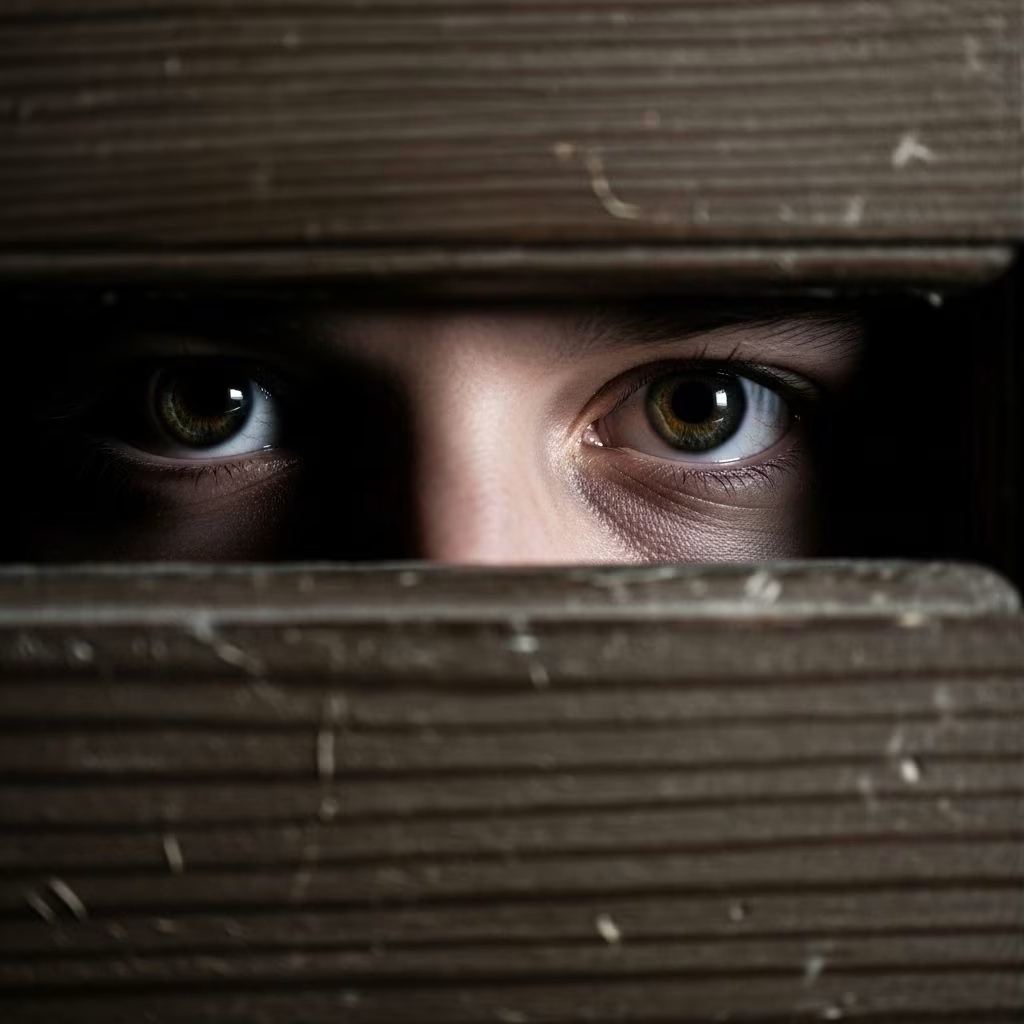
15 Types of Creepy People You’ll Encounter and How to Recognize Them
Everyone encounters people who make them uncomfortable at some point in their lives. While some behaviors are simply odd or awkward, others cross a line into what can only be described as ‘creepy’. Recognizing the various types of creepy individuals, understanding their motivations, and knowing how to protect yourself is essential for personal safety and peace of mind. This comprehensive guide illustrates the 15 most common types of creepy people and offers guidance on managing your encounters with them.
The Most Common Types of Creepy People
- Personal Space Invader
- The Ogler
- The Catcaller
- The Exhibitionist
- Can’t Keep Their Hands to Themselves
- The Over-Sharer
- The Social Media Stalker
- The Paparazzo
- The Unsolicited Pic Sender
- The Obsessed Romantic
- The Jilted Ex
- The Peripheral Friend
- Revenge Seeker
- The Misogynist (or Misanthrope)
- The Creepy Co-worker
Detailed Profiles of Creepy People
1. Personal Space Invader
Personal Space Invaders step far too close for comfort, completely disregarding the boundaries most people expect in social situations. Whether standing, sitting, or talking, their proximity causes unease and can feel claustrophobic. They may not intend harm but their lack of spatial awareness can make you feel threatened or defensive.
- Warning Signs: Standing or leaning too close, ignoring cues to move back, invading your physical bubble repeatedly.
- What to Do: Politely ask for space or physically reposition yourself. If they persist, set clear boundaries and remove yourself from the situation.
2. The Ogler
The Ogler’s stare lingers and often focuses unnervingly on someone’s appearance or body. Their frequent, unbroken eye contact may make you feel scrutinized or objectified. Often, their gaze isn’t subtle—it’s direct, prolonged, and unsettling.
- Warning Signs: Intense, unblinking eye contact; scanning you up and down; leering facial expressions.
- What to Do: Maintain confidence, redirect your attention, or speak up if necessary. Let others know about the behavior if it makes you feel unsafe.
3. The Catcaller
Catcallers shout unwanted and inappropriate comments, whistles, or sounds, often targeting strangers in public spaces. Their goal—whether to impress peers or shock the target—creates public embarrassment and discomfort. This behavior is a stark breach of respectful social interaction.
- Warning Signs: Loud, unsolicited remarks regarding your appearance; whistling, honking, or other audible gestures.
- What to Do: Ignore and avoid engagement. If the behavior escalates, seek help from nearby people or authorities.
4. The Exhibitionist
Exhibitionists derive pleasure from exposing themselves physically or behaving provocatively to shock, unnerve, or upset others. This can include inappropriate clothing, sexual gestures, or indecent exposure. Their actions are intended to make others uncomfortable, often in public settings.
- Warning Signs: Sudden removal of clothing; explicit gestures; inappropriate comments about sexual activities.
- What to Do: Avoid confrontation, remove yourself immediately, and report the behavior to authorities if it becomes illegal.
5. Can’t Keep Their Hands to Themselves
Some people habitually touch others without permission—whether it’s an uninvited hug, a hand lingering on the shoulder, or an inappropriate pat. This behavior disregards boundaries and can quickly become threatening or harassing.
- Warning Signs: Frequent, unsolicited physical contact; ignoring your discomfort or protests.
- What to Do: Verbally object, physically move away, and establish clear boundaries. If this occurs at work or in private settings, document and escalate if necessary.
6. The Over-Sharer
The Over-Sharer overwhelms new acquaintances with explicit details about their personal lives—especially about sex, bodily functions, or family issues. While ordinary sharing is normal, their disclosures cross a line, often within minutes of meeting you. They crave attention but fail to understand appropriate boundaries.
- Warning Signs: Inappropriate personal disclosures; sharing graphic stories early in conversation.
- What to Do: Change the subject or express discomfort; disengage if the behavior persists.
7. The Social Media Stalker
This type obsessively researches you online, sifts through your posts, photos, and tagged events, and then brings up details in conversation that they should not logically know. Their digital stalking breaches privacy and often creates unsettling real-world confrontations.
- Warning Signs: Referencing personal events or details sourced from your social media; unsolicited online messages; contacting your friends for information.
- What to Do: Adjust your privacy settings, avoid sharing personal information publicly, and block or report if necessary.
8. The Paparazzo
Unlike professional photographers, this creeper stealthily snaps your photos without permission, sometimes in intimate or private moments. Their goal may be to keep a record of you for their personal enjoyment or to share with others inappropriately.
- Warning Signs: You catch them pointing a camera or phone at you repeatedly without asking first.
- What to Do: Address the behavior firmly and inform others. Request deletion of unauthorized images and report if necessary.
9. The Unsolicited Pic Sender
These individuals send explicit images online or via text without any encouragement or consent. Their assumption that you would appreciate such content is presumptuous and often deeply upsetting.
- Warning Signs: Receiving unsolicited sexual photos or messages; continued sending even after being asked to stop.
- What to Do: Block, report, and do not engage further. Let mutual contacts know if the sender is known to them.
10. The Obsessed Romantic
The Obsessed Romantic is arguably the most dangerous type. They combine behaviors from other creep profiles—stalking, space invasion, unsolicited advances—in relentless pursuit. Even repeated clear rejections don’t deter them. Protect yourself and trust your instincts; unhealthy obsession can escalate quickly.
- Warning Signs: Persistent unwanted contact; appearing wherever you go; escalating intensity despite pushback.
- What to Do: Clearly communicate boundaries, document all interactions, and consider involving authorities early.
11. The Jilted Ex
This person refuses to move on after a relationship ends. Their bitterness can manifest as harassment, threats, or attempts to sabotage your new relationships.
- Warning Signs: Unwanted contact after a breakup; online stalking; attempts to turn friends or family against you.
- What to Do: Cut all contact, inform trusted allies, and seek legal protection if necessary.
12. The Peripheral Friend
Neither a close friend nor a stranger, this person hovers on the social periphery. Their motives are unclear and they may act out of jealousy, resentment, or desire for intimacy that isn’t reciprocated. Often, their actions intensify after rejection.
- Warning Signs: Sudden mood changes when rejected; gossiping or undermining you socially; persistent attempts to re-engage when you disengage.
- What to Do: Keep interactions brief and in group settings; avoid sharing personal details.
13. Revenge Seeker
Some creeps turn vindictive, convinced they’ve been wronged. Revenge seekers might spread rumors, interfere with your relationships, or seek petty payback for perceived slights.
- Warning Signs: Attempts to damage your reputation; stalking or harassment; clear signs of resentment and envy.
- What to Do: Distance yourself; if harmful behavior escalates, document incidents and involve authorities.
14. The Misogynist or Misanthrope
These individuals, who may resent the opposite sex or humanity at large, cloak their hostility in sharp remarks or bitter social commentary. Their negativity radiates especially toward those they perceive as ‘responsible’ for their unhappiness.
- Warning Signs: Offensive jokes; generalized bitterness; targeting you with angry comments.
- What to Do: Keep your distance; avoid engagement to prevent escalation.
15. The Creepy Co-worker
Social dynamics at work often expose the creepy co-worker—a person who invades space, shares inappropriate stories, displays obsessive interest, or cannot read professional boundaries.
- Warning Signs: Overly friendly or invasive communication; ignoring workplace norms; persistent or inappropriate advances.
- What to Do: Address issues directly, report to HR if necessary, and maintain professional boundaries.
Why Do These Behaviors Emerge?
Creepy behaviors often arise from social ineptitude, loneliness, power seeking, or fixation. Some people are unaware of how they affect others, while others enjoy the discomfort they cause. In most cases, a lack of empathy or boundaries is at the core of their conduct. Remember, not all strange or awkward behaviors are creepy—context matters.
Recognizing and Responding to Creepy Behavior
- Trust your instincts. If someone makes you feel uncomfortable, prioritize your well-being.
- Set clear boundaries verbally and physically.
- Document incidents that escalate or repeat for potential reporting.
- Involve trusted friends, colleagues, or authorities as needed.
- Online, maximize privacy settings and block or report offenders quickly.
Table: Quick Reference – Creepy Types and How to Respond
| Type | Key Signs | Recommended Action |
|---|---|---|
| Personal Space Invader | Standing too close; ignoring physical boundaries | Ask for space; reposition; remove yourself |
| The Ogler | Lingering gaze; scanning body | Redirect; express discomfort; alert others |
| The Catcaller | Unsolicited remarks; noisy overtures | Do not engage; seek assistance if harassed |
| The Exhibitionist | Provocative exposure | Leave the area; report incidents |
| Over-Sharer | Graphic personal stories | Change topic; disengage |
| Social Media Stalker | Online investigation; references private details | Maximize privacy; block/report |
| Paparazzo | Takes photos without consent | Confront; request deletion; inform authorities |
| Unsolicited Pic Sender | Sends sexual images | Block/report sender |
| Obsessed Romantic | Persistent advances; stalker behavior | Document; assert boundaries; seek help |
| Jilted Ex | Cannot move on; harassment | Cut contact; protect privacy; seek legal help |
| Peripheral Friend | Unclear motives; jealous | Keep distance; restrict info |
| Revenge Seeker | Vengeful actions; gossip | Document; disengage; seek help if needed |
| Misogynist/Misanthrope | Bitter remarks; hostility | Avoid engagement; stay distant |
| Creepy Co-worker | Boundary-crossing at work | Address directly; report to management |
Frequently Asked Questions (FAQs)
Q: What makes a person ‘creepy’?
A: ‘Creepy’ is an emotional response to boundary violations, persistence, or inappropriate social behavior. These behaviors trigger discomfort, fear, or distrust, often when someone ignores social norms or personal space.
Q: Is being creepy always intentional?
A: No. Many people don’t realize their behavior is making others uncomfortable. However, persistent or escalated actions, especially after being told to stop, are deliberate and should be treated seriously.
Q: How can I avoid coming across as creepy?
A: Respect boundaries, limit personal questions, avoid invasive physical gestures, and be aware of verbal and nonverbal cues. Always disengage if someone seems uncomfortable.
Q: What should I do if I am harassed by a creepy person?
A: Prioritize your safety; disengage physically and emotionally, seek help from friends or authorities, and document the incidents for potential reporting.
Key Takeaways: Protecting Yourself from Creepy People
- Stay alert to persistent or boundary-crossing behavior.
- Set limits and maintain confidence in your right to personal space.
- Trust your instincts and take action early, especially when threats or persistent advances occur.
The uncomfortable truth is that creepy people exist in nearly every social sphere. Understanding their tactics and learning assertive ways to respond are crucial life skills that foster healthier boundaries and safer experiences. Stay vigilant, respect your own boundaries, and never hesitate to seek support when needed.
References
- https://www.lovepanky.com/my-life/relationships/types-creepy-people
- https://www.asexuality.org/en/topic/259384-the-line-between-charming-and-creepy/
- https://www.doctornerdlove.com/dont-be-a-creeper/all/1
- https://www.lovepanky.com/author/preeti-tewari/page/39
- https://www.psychologytoday.com/us/blog/social-instincts/202209/9-things-that-can-make-a-man-seem-creepy
- https://www.aol.com/sit-next-59-creepy-things-020007548.html
- https://lovepanky25.rssing.com/chan-14866220/all_p1.html
- https://www.scarleteen.com/read/relationships


