


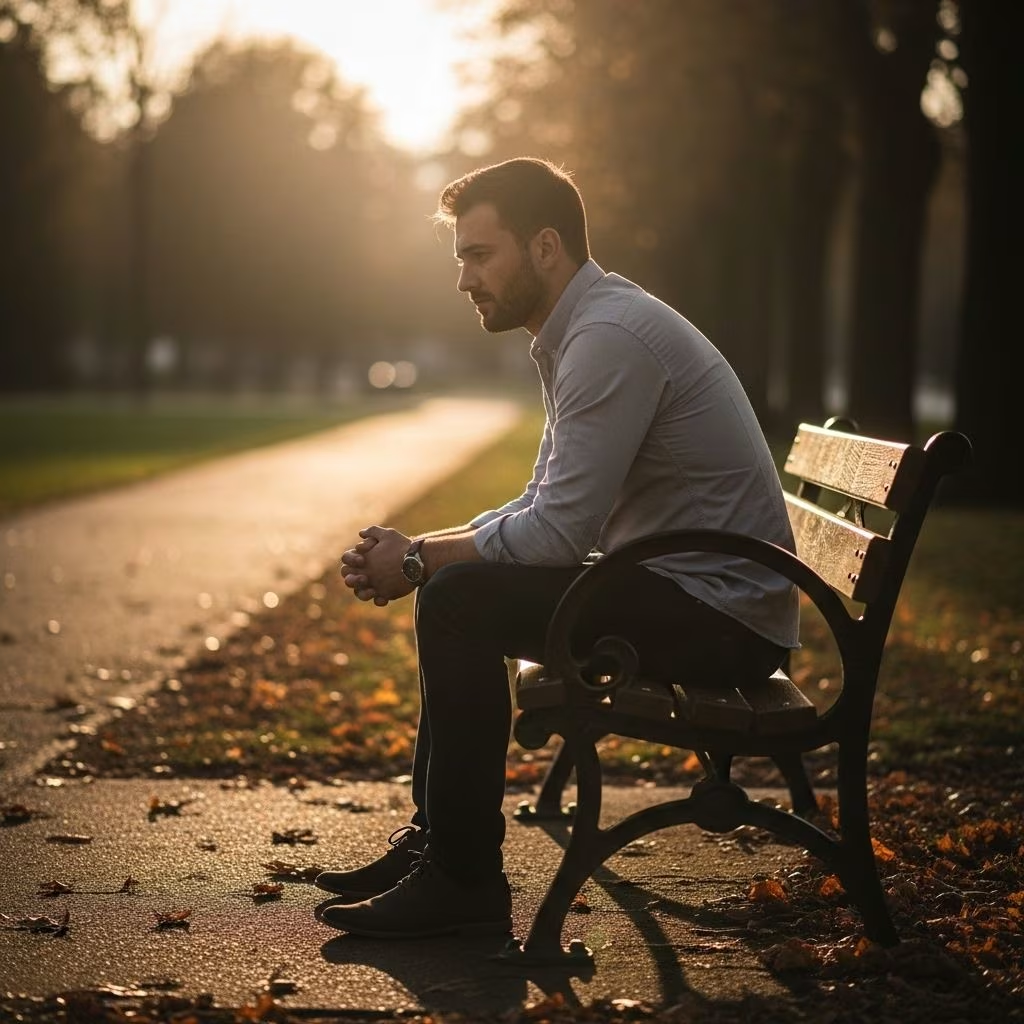
3 Pieces of Advice for Men Who Always Get Burned in New Relationships
Everyone experiences heartbreak. Few feelings are more isolating than realizing your passion and genuine intentions in new relationships continually lead to the same painful outcome: getting hurt, misled, or left alone. For many men, the cycle of investing deeply, only to be let down, creates emotional scars and walls. If you feel like your optimism in romance keeps backfiring, you are not alone.
This guide delivers three essential pieces of advice for guys who want to heal, protect their hearts, and rediscover fulfillment in love. The advice is rooted in real experiences and psychological insights. It aims to help you find a healthy balance—loving with open arms, yet with the wisdom to protect your emotional wellbeing.
Why Does Getting Burned in New Relationships Happen So Often?
Before delving into actionable advice, it helps to recognize common patterns.
- High emotional investment early on often feels like the right thing for passionate, sincere men. Yet without reciprocation, this can lead to feeling exposed and vulnerable.
- Romantic idealization is when you convince yourself that someone new is everything you dreamed of, ignoring red flags or incompatibilities.
- Repeated experiences of rejection foster cynicism and a tendency to build emotional walls, making future intimacy more difficult.
These patterns can make you feel like loving deeply is a liability. Yet the issue isn’t with your capacity to love, but with how your boundaries and expectations align with the realities of dating and relationships.
1. Don’t Let People Take Advantage of Your Kindness
Kindness is a double-edged sword in new relationships. While being genuine and open is invaluable, not everyone reciprocates or deserves your vulnerability. Some may exploit it, consciously or unconsciously, without giving much in return.
How to Protect Your Kindness Without Becoming Jaded
- Set emotional boundaries early. Know what behaviors you will and will not accept. Make them clear to yourself and communicate them when needed.
- Be mindful of reciprocity. Healthy relationships involve balanced effort, affection, and vulnerability from both sides.
- Don’t confuse giving with people-pleasing. Extending generosity should feel empowering, not draining or one-sided.
- Trust is earned. Allow new partners to earn your trust over time, rather than handing it over all at once.
Kindness should never be a tool for others to use against you. It’s a gift you bestow upon those who prove themselves worthy through their actions—not just their words.
Red Flags of Manipulation to Watch For
- Consistently unreturned texts or calls, except when the other person needs something
- Pressure to move the relationship at a pace that primarily benefits them
- A pattern of excuses or broken promises
- Lack of empathy when you express your own needs or boundaries
2. Don’t Make Time for People Who Don’t Deserve It
Your time and emotional energy are the most valuable assets you have. When you continually prioritize people who fail to reciprocate or appreciate your efforts, you are teaching them that you’ll always be there—often at your own expense.
How to Value Your Own Time
- Assess effort and interest: Are you always the one reaching out, planning, or making sacrifices?
- Recognize when you’re making excuses for someone’s lack of effort. If someone rarely initiates contact or cancels plans, believe their actions, not just their words.
- Invest in mutual connections: Spend time with people who energize you and make consistent efforts to connect.
| Warning Sign | Healthy Alternative |
|---|---|
| Your messages are often ignored | You receive responses and effort is matched |
| They’re only available when convenient for them | Your schedules and priorities are mutually respected |
| Plans frequently change or are cancelled last-minute | Commitments are kept, and you’re treated as a priority |
Limiting time with those who don’t prioritize you is not about arrogance or being cold; it’s about maintaining healthy self-respect and clarity around your own needs.
3. Don’t Fail to Love Yourself First
Getting burned repeatedly can damage your self-esteem, making it tempting to seek validation through new partners. However, real healing requires a foundation of self-love and self-acceptance. When you value yourself, heartbreaks become easier to weather, and you become less likely to accept poor treatment.
Ways to Strengthen Self-Love After a Letdown
- Reassess your self-talk. Replace self-blame with compassionate understanding: “It’s not my fault someone couldn’t reciprocate my feelings.”
- Invest in personal growth and hobbies. Celebrate your strengths, interests, and passions outside of relationships.
- Seek support. Rely on friends, family, or professional counseling when needed—healing thrives through community.
- Set goals unrelated to dating. Confidence in any area of life ripples through your self-worth in relationships.
Loving yourself fiercely empowers you to love others without fear, desperation, or neediness. You can give freely, but not at the cost of your own mental or emotional health.
Healing and Recovering After Being Burned
Heartbreak hits everyone differently. Some people wall themselves off; others jump quickly into new relationships, hoping to fill the void. Both extremes make true healing difficult. Here’s how to create genuine recovery and prepare for healthier relationships ahead.
Common Emotional Responses After Getting Hurt
- Sadness, grief, or depression
- Loss of confidence
- Obsession about what went wrong
- Fears about dating again
It’s important to remember:
- Recovery is not linear. Setbacks and relapses are common and normal.
- You’re not alone. Many people experience the same pain and uncertainty after being let down in love.
- Support, structure, and self-compassion speed up the healing process greatly.
Steps for Healing Your Heart
- Accept the pain and allow yourself to grieve; suppressing emotions will only prolong them.
- Cut contact or set boundaries with your ex or the person who hurt you, at least temporarily.
- Reflect on the relationship. What lessons can you take, and what patterns do you want to change?
- Pursue new experiences and routines to rebuild your sense of self beyond the relationship.
- If necessary, seek the guidance of a therapist, coach, or trusted advisor.
Restoring Hope: Moving Forward with Healthy Optimism
To avoid repeating painful cycles, cultivate a sense of optimism that is rooted in self-awareness and realistic expectations rather than raw longing for connection. When hope is balanced with experience, you can move forward without losing your openness or capacity for deep love.
Healthy Outlooks for the Next Relationship
- Value your emotional safety as highly as your desire for connection.
- Recognize red flags early and take them seriously.
- Stay open, but move at a pace that feels right for you—don’t let anyone rush your process.
- Remember that your core worth does not depend on anyone else’s acceptance.
Frequently Asked Questions (FAQs)
Q: Is something wrong with me if I always get hurt in new relationships?
A: No. Wanting meaningful connection is normal. What matters is identifying any unhealthy patterns, such as moving too quickly or accepting less than you deserve, and making adjustments to protect your heart without closing it off entirely.
Q: How long does it take to heal after getting burned?
A: Healing timelines vary. There is no set schedule; allow yourself to feel, learn, and grow without pressure. Setting boundaries and focusing on self-care can expedite recovery.
Q: Are emotional walls always a bad thing?
A: Not necessarily—temporary boundaries can prevent further pain. But if walls become so high that you never risk vulnerability, it may keep you from rewarding relationships in the future. Aim for healthy boundaries, not isolation.
Q: What are warning signs that a new partner may not value my kindness?
A: Look for patterns of taking without reciprocating, neglecting your needs, unreliability, or dismissing your feelings. If you feel consistently drained, it is time to reconsider the dynamic.
Q: How do I know when I’m ready to date again?
A: You’re ready when thoughts of your past relationship no longer dominate your mood or identity, and you feel genuinely curious (not desperate) about meeting someone new. Listen to your gut—and don’t let others push you into dating prematurely.
Key Takeaways
- Protect your kindness by setting healthy boundaries and expecting reciprocity.
- Value your own time; don’t invest in people who don’t make you a priority.
- Self-love is the foundation for healing and for choosing better partners.
- Healing takes time, but every heartbreak contains lessons that lead to future growth and more authentic love.
Being passionate and open-hearted is a strength. By making self-worth and self-care non-negotiable, you can break cycles of pain and rediscover the joy of connection—without the fear of getting burned every time.
References
- https://www.elitedaily.com/dating/guys-burned-new-relationships/1342125
- https://www.elitedaily.com/dating/broken-men-heartbreak-love/1332715
- http://www.lovesuccessfully.com/breakup-coaching
- https://newrepublic.com/article/199663/female-friendship-novel-era-group-chat
- https://www.emily-blackwood.com/resume


