


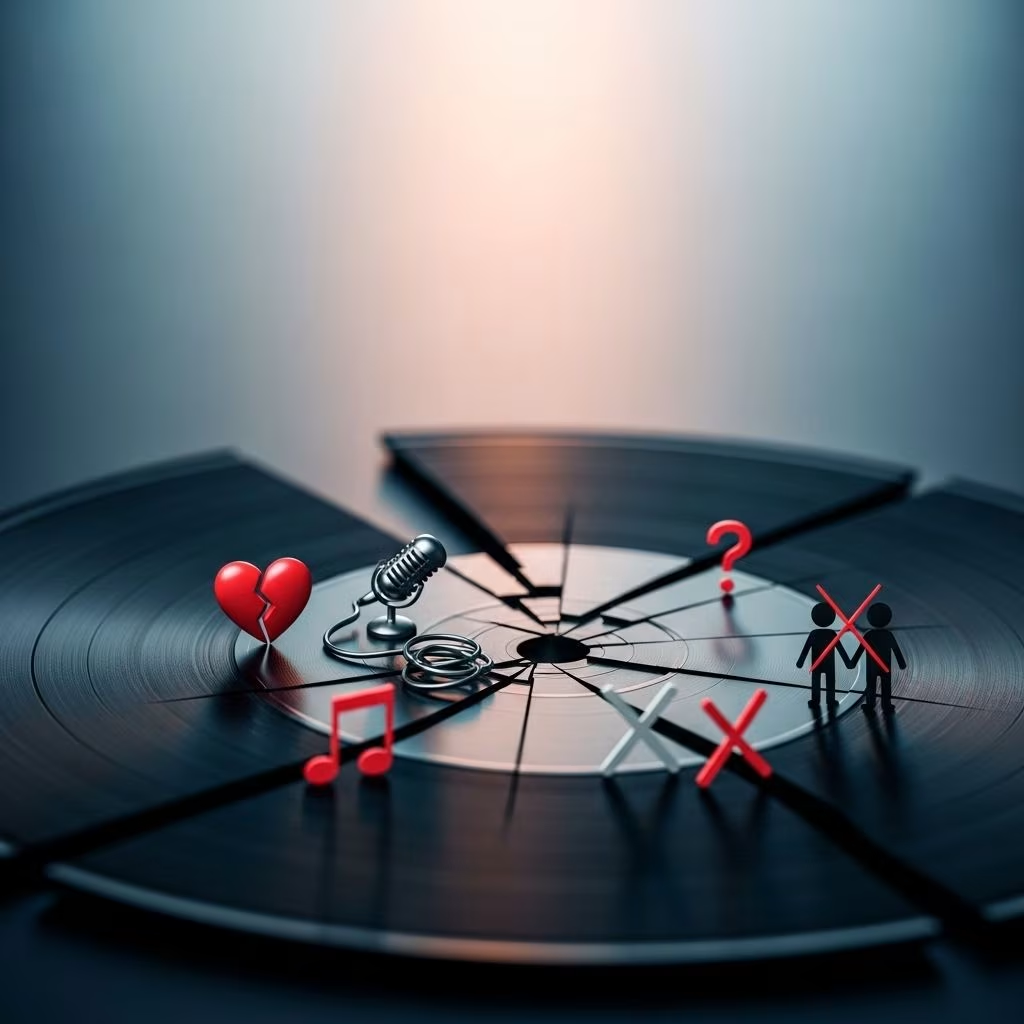
30 Reasons Why You Shouldn’t Look to Music for Relationship Advice
People have been turning to music for comfort, catharsis, and inspiration for centuries. And when it comes to matters of the heart, few media can rival the emotional punch packed into a good love song. But there’s a catch. While melodies might pull at your heartstrings, relying on pop songs for guidance in your romantic life can set you up for disappointment, miscommunication, and even heartbreak. Here are thirty reasons why music isn’t the relationship oracle you might think it is—and why you should take those lyrics with a grain of salt.
1. Most Songs Exaggerate Reality
Songs are entertainment, not instruction manuals. Artists often amplify emotions for dramatic effect, which rarely mirrors real-life relationships. What sounds passionate and poetic can border on obsessive or unrealistic if followed outside a three-minute track.
2. Lyrics Romanticize Dysfunction
Some of the most popular hits glorify jealousy, manipulation, or codependency. Think of The Police’s “Every Breath You Take”—often misinterpreted as a classic love song, but its lyrics describe possessive obsession rather than healthy devotion.
3. Casual Attitudes Toward Cheating
A surprising number of songs condone or minimize cheating. Tunes like “If Loving You Is Wrong, I Don’t Want To Be Right” by Luther Ingram blatantly celebrate infidelity, ignoring the real pain it causes to everyone involved.
4. Encouragement to Settle
Steven Stills’ “Love The One You’re With” suggests settling for whoever is available if you can’t be with the one you truly love. While catchy, this philosophy undermines the importance of authentic connection and self-worth.
5. Justify Standing by Poor Behavior
“Stand By Your Man” by Tammy Wynette urges listeners to stick by partners even when they’re in the wrong—presumably even if they are unfaithful. Real loyalty does not require you to stay in harmful or disrespectful situations.
6. Toxic Ideas on Reconciliation
Songs like “Judy’s Turn To Cry” promote jealousy games and taking back cheaters for the sake of revenge or pride instead of self-respect.
7. One-Sided Fantasies
Lyrics often only tell one side of the story, usually from the heartbroken or longing perspective. In reality, relationships are rarely so clear-cut, and both partners share responsibility.
8. Normalizes Stalking Behavior
Several hit songs blur the line between affection and stalking (“Every Move You Make, Every Step You Take…”), which isn’t romantic in real life—it’s a red flag for unhealthy boundaries and control.
9. Overly Simplistic Solutions
Complex relationship problems get solved in three verses and a chorus in music. Real life is messier, with resolutions that may take months or years rather than a few lines of poetry.
10. Encouragement to Suppress Emotions
Musical advice frequently tells listeners to bottle up pain or “be strong” through heartbreak. Authentic healing requires facing and processing those emotions.
11. Pretending to Move On
Many breakup anthems suggest pretending to have moved on in hopes of making your ex jealous. This may feel empowering in theory, but fake it-till-you-make-it rarely ends in real closure or growth.
12. Emphasis on Grand Gestures Over Daily Respect
Songs often glorify dramatic confessions or desperate acts. In reality, the small, everyday demonstrations of respect and kindness are what keep relationships healthy.
13. Impulsive Decisions Are Lionized
Elopements, declarations of love at first sight, or running away together make for powerful choruses—but impulsivity can lead to regret, not romance, especially without practical compatibility.
14. Encouraging Possessiveness
“You belong to me” and similar lyrics champion possessiveness, which is not the foundation of real love but rather an indication of insecurity and control.
15. Songs Over-Value Physical Attraction
Many hits focus exclusively on looks or sex appeal, giving the false impression that chemistry trumps compatibility, communication, or mutual respect.
16. They Offer Outdated Gender Roles
Countless chart-toppers reinforce antiquated roles—women should wait, men should pursue; women should forgive, men should sow wild oats. Healthy relationships respect personal agency, equality, and individuality.
17. Songs Equate Jealousy With Love
Jealous behavior is sometimes portrayed as passionate devotion, rather than what it often is: insecurity, mistrust, and a warning sign.
18. Advice to Stay in Unhealthy Relationships
Some lyrics suggest staying with a partner through anything—no matter how toxic. Healthy boundaries and self-respect mean knowing when to say enough is enough.
19. Promote the Notion That Love Fixes Everything
Songs often argue that love can overcome all obstacles or change fundamentally incompatible partners. In real relationships, love alone is rarely enough without effort and ongoing respect.
20. Silences the Importance of Self-Love
A romantic partner is canonized as the answer to all problems. True fulfillment comes from within, not from someone else.
21. Celebrating Sacrifice to an Unhealthy Degree
Songs sometimes promote martyrdom for a relationship, suggesting that one should sacrifice dreams, values, or happiness for someone else. Mutual support is healthy; self-abandonment is not.
22. Encourages Revenge Tactics
Breakup tracks that advise making exes jealous or seeking payback can prolong emotional wounds and unhealthy connections rather than fostering healing and growth.
23. They Normalize Constant Drama
Music loves rollercoaster love stories, equating constant upheaval with real passion. Stable, reciprocal relationships are rarely so tumultuous—and that’s a good thing.
24. Peddling Magical Thinking
Songs often wait on fate, destiny, or “one true love”—overlooking the role of proactive effort, communication, and personal growth in making relationships work.
25. Glossing Over Red Flags
Many tunes dismiss or romanticize controlling, dishonest, or cruel behavior—advising listeners to change or “save” a troubled partner rather than walk away.
26. Financial or Materialistic Motives
Plenty of hits focus on material gifts, equating wealth with affection. This superficial view distracts from core values like respect, loyalty, and kindness that actually sustain relationships.
27. Overreliance on Fate or Timing
Instead of advocating for honest conversation and action, songs often blame poor timing, fate, or the universe for relationship problems, stripping listeners of agency and accountability.
28. Skipping the Importance of Communication
Lyrics often rely on intuition, gestures, or even telepathy to work through issues, overlooking plain, honest conversation as crucial for lasting satisfaction.
29. Unrealistic Standards of Romance
Songwriters create fantasy-level standards for love: soul mates, dramatic happily-ever-afters, and always-perfect partners—leaving listeners feeling let down by the reality of flawed, imperfect humans.
30. Songs Don’t Know Your Unique Situation
Perhaps most importantly: a song, no matter how powerful, doesn’t know your partner, your life, or your needs. Generic lyrics are no substitute for individualized wisdom or professional advice tailored to your specific circumstances.
Bad Musical Relationship Advice: Examples From Famous Songs
- “Love The One You’re With” – Steven Stills: Encourages settling.
- “Stand By Your Man” – Tammy Wynette: Endorses standing by a partner, even if he’s unfaithful.
- “Judy’s Turn To Cry” – Lesley Gore: Getting back with a cheater for the sake of pride.
- “If Loving You Is Wrong, I Don’t Want To Be Right” – Luther Ingram: Celebrates cheating without regard for the consequences.
- “Every Breath You Take” – The Police: Normalizes stalking as a sign of devotion.
Table: How Popular Songs Offer Misleading Advice
| Song | Lyric Message | Real World Impact |
|---|---|---|
| Love The One You’re With | Settle for whoever is there if your first choice isn’t available | Undermines authentic connection |
| Every Breath You Take | Obsessive love is romantic | Normalizes stalking, unhealthy attachment |
| If Loving You Is Wrong | Cheating is acceptable if it feels right | Minimizes the hurt caused to others |
| Stand By Your Man | Stay even if he’s unfaithful | Encourages tolerating bad behavior |
| Judy’s Turn To Cry | Take pride in “winning” back a cheater | Undermines self-respect |
Frequently Asked Questions (FAQs)
Q: Aren’t love songs based on authentic emotional experiences?
Many are grounded in real emotions, but they’re designed for mass appeal, not personalized situations. Songwriters often focus on heightened drama or oversimplified narratives that may not reflect healthy, balanced relationships.
Q: Can music provide any helpful perspective on relationships?
Music can certainly help process feelings, provide catharsis, and help us feel less alone during hard times. However, it should supplement—not substitute—real communication and sound decision-making.
Q: Are there any songs that do give good relationship advice?
Some artists offer thoughtful, responsible perspectives, but they are exceptions rather than the norm. It’s always best to apply critical thinking and, if needed, seek professional guidance.
Q: Why is it risky for young people to rely on pop songs for romantic advice?
Impressionable listeners may internalize problematic ideas before they have a firm sense of their own boundaries or values, leading to repeated patterns of unhealthy relationships.
Q: What should I do instead of listening to music for advice?
Rely on open communication, reflection, the support of trusted friends or mentors, and, when necessary, the wisdom of relationship professionals.
Conclusion
Music’s emotional resonance makes it a powerful tool for self-expression and comfort, but it’s inadvisable to look to lyrics for concrete guidance on handling matters of the heart. Rather than leaning on the highs and lows of a song, invest in honest communication, self-awareness, and mutual respect—the true foundations of every lasting relationship.
References
- https://life-with-leah.com/2012/07/14/love-the-one-your-with-and-other-bad-relationship-advice-from-popular-songs/
- https://www.boredpanda.com/bad-relationship-advice/
- https://www.youtube.com/watch?v=HfNw_w62uBo
- https://www.youtube.com/watch?v=UvJtA0REI7c
- https://discover.hubpages.com/entertainment/Songs-About-Toxic-Love-Relationships
- https://www.stylecraze.com/articles/songs-about-toxic-relationships/
- https://open.spotify.com/episode/7oTG3J90IlSgQVMNslhLdV


