


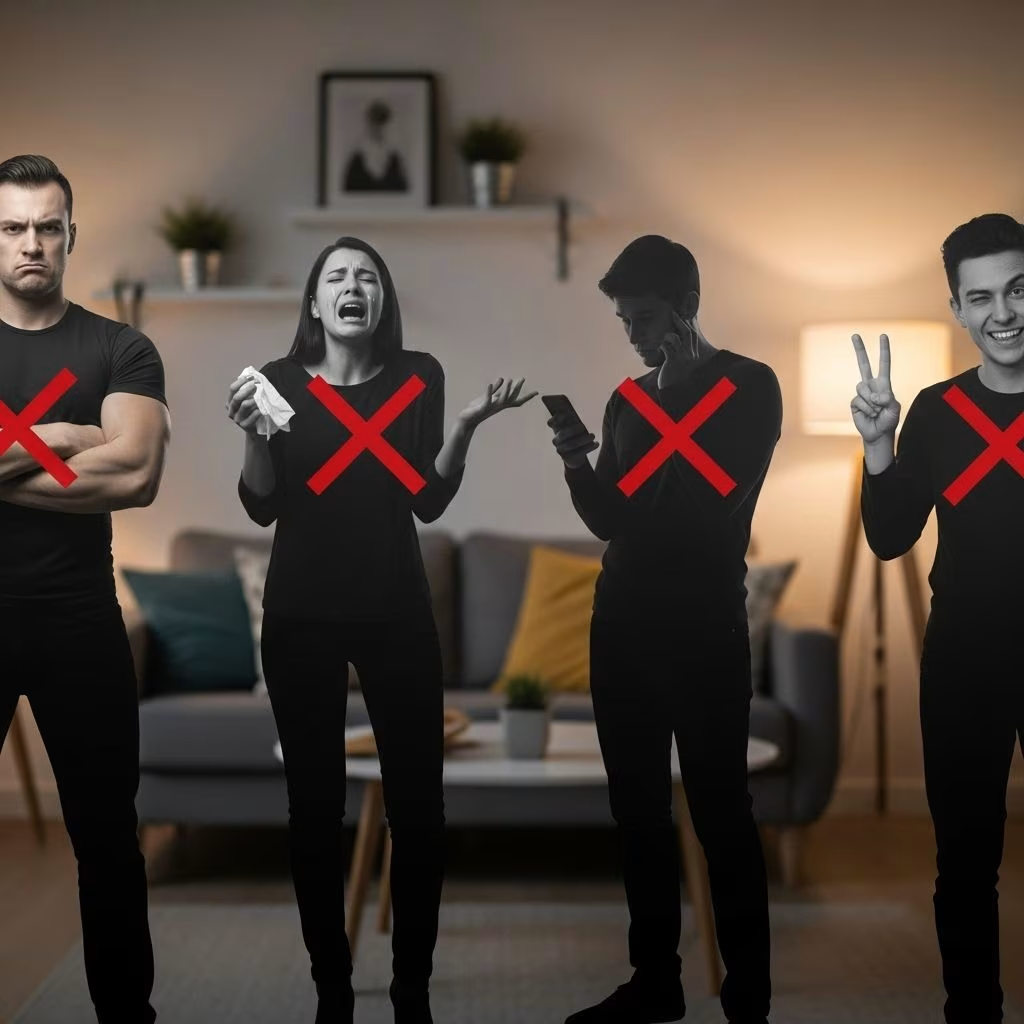
4 People You Should Never Ask for Relationship Advice
It’s normal to turn to others when facing a rough patch in your romantic life. Talking it out can help you process your emotions, gain new insights, and sometimes even find solutions you hadn’t considered. But while communication is healthy, who you choose to confide in is just as important as the advice itself. The wrong confidant can unintentionally— or even intentionally— steer you off course, introduce negativity, or simply mirror your fears and insecurities rather than help you see the truth. Here are the four people you should never ask for relationship advice, and why trusting their counsel may lead to more harm than healing.
The Importance of Choosing the Right Advisor
Relationship advice abounds. Friends, family, colleagues, and even strangers are often eager to share opinions about your love life. However, trusted guidance should come from mature and objective individuals who have your best interests at heart— not just those eager to commiserate or validate your feelings. Some people, despite their affection for you, lack the neutrality or emotional distance required to help you navigate sensitive romantic questions. Knowing who to avoid can help you protect your relationships and your peace of mind.
The Perpetually Single Friend
Most of us know a perpetually single friend— or two. Whether this person is single by choice or by circumstance, seeking their advice on your relationship problems can be problematic. Key types include:
- Type A: Embraces Singlehood
This friend celebrates her independence and may see relationships as obstacles to freedom. If you approach her with troubles in your partnership, her advice might unconsciously encourage you to end things for the sake of reclaiming your own freedom. She may glorify single life, framing it as the ultimate liberation. But her perspective could be colored by her personal choices or hidden doubts, making her guidance less about what’s best for you and more about affirming her decisions.
- Type B: Struggles With Loneliness
On the flip side, some perpetually single friends are stuck in a state of persistent longing or disappointment. When confronted with your relationship concerns, they can project their own dissatisfaction onto your situation. This type may focus on your partner’s faults, encourage you to break up, or subtly sow seeds of doubt simply because they themselves are unhappy. Envy and negativity are not always deliberate, but advice from someone in a downcast emotional state is unlikely to lift you up or steer you in a healthy direction.
Ultimately, both types are too invested in either upholding their independent identity or distracting themselves from their own loneliness to provide level-headed, constructive input. If you crave clarity, steer clear of seeking advice from those whose single status so profoundly shapes their outlook.
The Friend Who Dates Too Much
This person’s mantra is “there’s plenty of fish in the sea.” She (or he) breezes in and out of relationships, often treating love like a game of musical chairs. Her advice typically follows a pattern:
- Minimizes Relationship Challenges: Suggests that no struggle is worth enduring and encourages bailing at the first sign of trouble.
- Promotes What-Ifs: Planting seeds of doubt— could you do better? Might happiness be just around the corner with someone else? The allure of the unknown distracts from working through present difficulties with your partner.
- Devalues Commitment: Her optimistic view of starting over may overlook the value of dedication and shared growth in a relationship.
Following the advice of the serial dater can make problems seem bigger and long-term solutions seem less appealing, increasing your risk of abandoning meaningful connections for ungrounded fantasies.
Your Family
Families often provide unconditional love— and therein lies the problem. Blood ties bring bias, and most relatives are far too protective to be objective. Here’s how family can unintentionally misguide you:
- Champion Your Interests Uncritically: In your family’s eyes, you can do no wrong. They’re inherently loyal, so they’ll likely side with you no matter what, even when constructive criticism is what you need.
- Vilify Your Partner: Every misstep or quarrel will be amplified, turning your partner into a villain and you into a victim, regardless of the real dynamics at play.
- Lack Detachment: Parents and siblings cannot be emotionally neutral; their love— while steadfast— prevents the objectivity required for nuanced advice.
When handling delicate issues in your relationship, objective perspectives are required. Even with the best intentions, your family’s advice may only add fuel to the fire or lead you down a path of unnecessary resentment.
Your Ex
Seeking advice from an ex is full of pitfalls, no matter how amicable the breakup. Some compelling reasons to avoid consulting an ex include:
- Unresolved Feelings: Old flames may still harbor feelings, which can influence their advice— consciously or unconsciously— steering you back in their direction or against your current partner.
- Blurring Boundaries: Opening communication can reignite old dynamics or confusion about your current relationship’s boundaries.
- Compounding Confusion: Getting advice from someone with an emotional stake in your past makes it hard to receive guidance that’s truly about your happiness, not theirs.
Your ex is your ex for a reason. Even in the best-case scenario, their input is likely colored by past intimacy and potential regret. Keep the past in the past, especially when trying to strengthen your present.
Table: Who to Avoid for Relationship Advice
| Person to Avoid | Are They Objective? | Common Pitfalls of Their Advice |
|---|---|---|
| Perpetually Single Friend | No | Projects envy or glorifies single life |
| Friend Who Dates Too Much | No | Encourages flippancy, plants doubt |
| Your Family | No | Overly loyal; vilifies your partner |
| Your Ex | No | Unresolved emotions; blurred boundaries |
Better Alternatives for Relationship Guidance
Having covered who to avoid, it’s essential to identify the kinds of people who can offer supportive, balanced guidance when you need it most. Consider sharing your questions or concerns with:
- Mature, Trustworthy Friends – Look for those who display empathy and honesty, but maintain enough emotional distance to be objective.
- Professional Therapists or Counselors – Trained to offer perspective without judgment or personal bias.
- Your Partner – Direct, open, solution-focused communication about relationship challenges often yields the best outcomes.
Ultimately, preserving your relationship’s health comes down to protecting it from unnecessary external negativity, seeking wisdom from the right sources, and trusting yourself to discern what’s truly best for you and your partner.
Frequently Asked Questions (FAQs)
Q: Why is it risky to ask a perpetually single friend for relationship advice?
A: Their perspective is often shaped by either cherishing their single status or feeling unhappy about it. This bias can lead them to encourage choices that mirror their own feelings—rather than what is actually best for your relationship.
Q: Isn’t family supposed to have my best interests at heart?
A: Yes, but their unwavering loyalty can prevent them from seeing your relationship with nuance. They are likely to take your side unconditionally and may villainize your partner, which is not always constructive.
Q: Could getting advice from an ex ever be helpful?
A: Rarely. Even with goodwill, lingering emotions or jealousy can cloud judgment, introducing more confusion or reigniting old issues. It’s best to seek input from neutral parties.
Q: What qualities should I look for in someone who gives great relationship advice?
A: Seek out someone who is emotionally balanced, experienced in healthy relationships, and able to be honest with you—even if it’s uncomfortable. Objectivity, empathy, and respect for your autonomy are key traits.
Final Thoughts
Everyone needs support, especially during challenging times in their relationships. Remember that not all advice is created equal, and the source matters just as much as the substance. Steering clear of biased or emotionally invested confidants protects your relationship and your own clarity. Surround yourself with wisdom, honesty, and neutrality— you deserve it, and so does your love life.
References
- https://www.elitedaily.com/life/giving-bad-advice-someone-comes-just-tell-want-hear
- https://observer.com/2018/01/why-you-shouldnt-trust-dating-advice-from-your-friends/
- https://www.elitedaily.com/dating/relationship-advice-friends-not-ask/1806788
- https://damonahoffman.com/tag/toxic-relationships/
- https://livingthesecondact.com/2019/08/13/friendship-expectations-how-high-is-too-high/
- https://meredithgoldstein.com


