


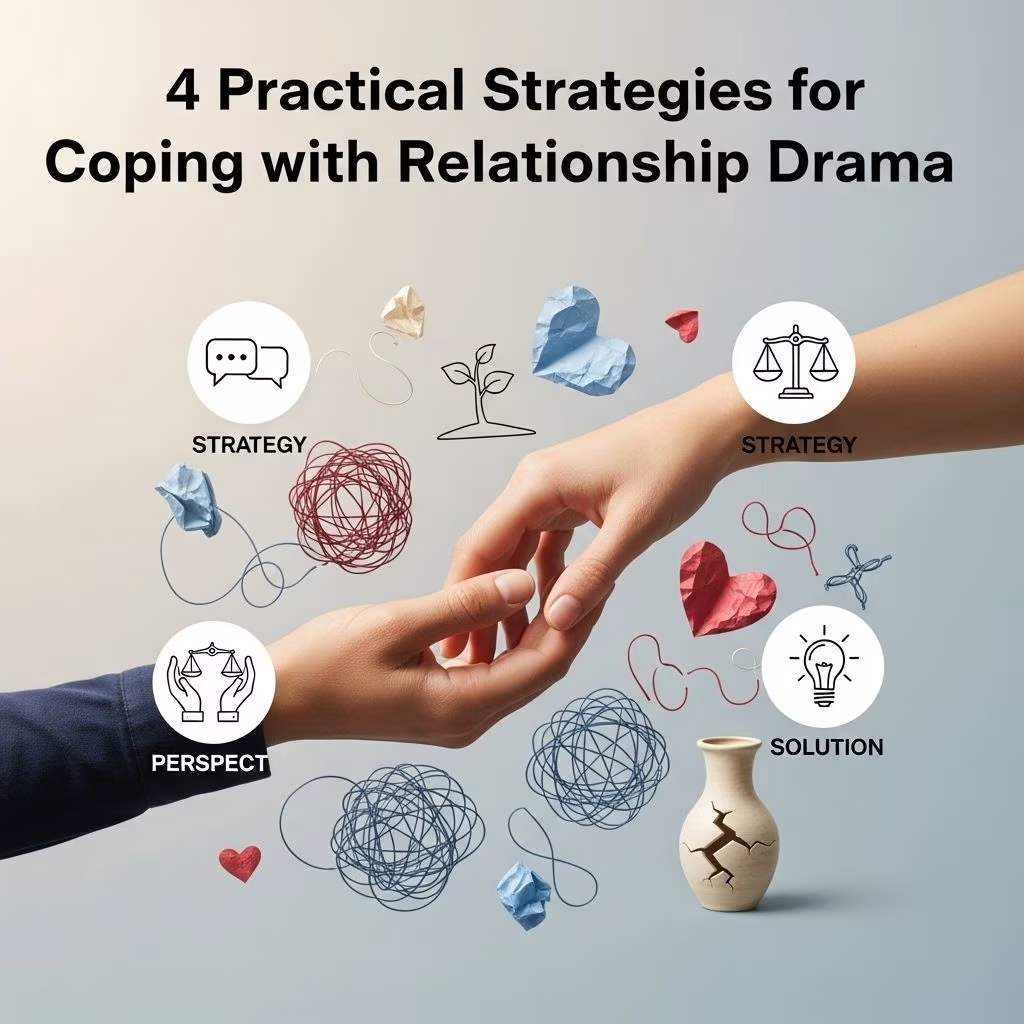
4 Practical Strategies for Coping with Relationship Drama
Relationship drama is a familiar experience for nearly everyone navigating romantic connections. While some conflicts may add excitement in fictional stories or TV shows, in real life, drama can be exhausting and confusing. It’s essential to recognize that disagreements and periods of tension are normal in relationships, but persistent or overwhelming drama may signal a need for change. Learning how to manage and minimize drama leads to a healthier, more fulfilling partnership.
Why Does Relationship Drama Happen?
Drama often arises from misunderstandings, mismatched expectations, emotional triggers, or external stressors. Even the healthiest couples will sometimes face heated arguments, miscommunications, or frustrating patterns. The key isn’t to avoid all conflict, but to approach drama with an open, reflective mindset and practical coping strategies.
- Communication breakdowns can ignite or escalate drama.
- Unmet needs or assumptions create tension if left unaddressed.
- Personal triggers from past experiences may influence interactions.
- External pressures (work, family, major life changes) can heighten emotional responses.
Here are four expert-backed strategies to help you cope with relationship drama while honoring your needs and maintaining connection.
1. Communicate Clearly and Calmly With Your Partner
When relationship drama surfaces, open and honest communication is your first line of defense. According to Dr. Gary Brown, a leading couples therapist, addressing issues promptly and in person helps to diffuse tension before it spirals out of control. Avoiding digital devices for these conversations can make a significant difference; face-to-face discussions promote empathy and minimize misunderstandings.
- Set aside time for a calm, private conversation when drama arises.
- Use “I” statements to express how you feel (“I feel overwhelmed when…”) rather than blaming (“You always…”)
- Clearly explain your perspective and invite your partner to share theirs.
- Listen actively and strive to understand, not just respond.
Bringing up concerns as they arise instead of waiting until resentment builds makes it easier to resolve issues constructively. Early, honest dialogue also prevents the need for rehashing old arguments in the future.
2. Avoid Judgment and Foster a Non-blaming Atmosphere
During emotional situations, it’s natural to fall into patterns of judgment or blame. However, finger-pointing often leads to defensiveness and greater distance. Strive to keep conversations nonjudgmental and collaborative: focus on understanding the dynamics of the issue rather than assigning fault.
- Begin the discussion with positive affirmations (what you value about your partner).
- Share how certain words or actions make you feel, rather than accusing your partner of intending harm.
- Invite your partner’s view of the situation—they may interpret the drama differently.
- Stay curious. Ask, “Can you help me understand how you experienced this?”
Building a safe, nonjudgmental space for dialogue allows both partners to express themselves openly. It also encourages vulnerability, paving the way for genuine problem-solving and emotional healing.
3. Assess Your Drama Tolerance and Relationship Health
All relationships have their share of ups and downs, but it’s important to recognize when normal conflict shifts into toxic drama. Only you can determine if your relationship has become a source of more stress than comfort.
- Reflect on these questions:
- Do you find yourself avoiding your partner or certain topics to prevent arguments?
- Have minor disagreements started escalating into major battles regularly?
- Are you feeling drained, anxious, or unhappy most of the time?
- Do you sense a pattern of unresolved issues or cyclical confrontations?
If you answer “yes” to several of these, it may signal a need to re-evaluate the relationship’s dynamics. Consistent and overwhelming drama can indicate incompatibility or deeper issues. Your emotional well-being is valid; only you can decide how much drama is too much for your peace of mind.
4. Seek Feedback and Support from Friends and Loved Ones
Friends and family often notice patterns we miss, especially when we’re emotionally invested. If those close to you express concern about the level of drama in your relationship, it’s worth exploring their observations—not as absolute truth, but as perspective.
- Reach out to trusted confidants and ask for their honest feedback.
- Be open to hearing others’ views, even if you don’t agree with everything.
- Remember, you’re not obligated to follow friends’ advice, but their insights can shed light on blind spots or recurring issues.
- Lean on your social network for emotional support, especially during turbulent times.
Support systems are essential for navigating stress and maintaining clarity. Empower yourself by layering personal insight with external feedback.
Table: Key Questions to Evaluate Relationship Drama
| Question | Why It Matters |
|---|---|
| Am I afraid to bring up certain topics? | Avoidance may indicate fear of escalation and poor communication dynamics. |
| Are arguments frequent and unresolved? | Constant unresolved disputes signal unhealthy conflict habits. |
| Do I feel emotionally exhausted after interactions? | Frequent emotional exhaustion may suggest the relationship drains rather than nourishes. |
| Has my friend or family expressed concern? | External observations can highlight blind spots and repeated patterns. |
| Do I feel supported and respected? | Healthy relationships foster mutual support, not ongoing stress. |
Proactive Steps to Minimize Drama
Beyond the strategic tips above, the following proactive measures can help keep relationship drama in check and build resilience for future challenges.
- Practice self-care: Prioritize your own physical and emotional health. Exercise, journaling, and meditation can help you regulate stress and approach situations calmly.
- Set boundaries: Know your limits and communicate them clearly. Boundaries help define what behaviors are acceptable and non-negotiable for you.
- Reflect on triggers: Identify and understand patterns that spark drama in your relationship, and share your insights with your partner.
- Be willing to seek outside help: If necessary, consult a couples therapist or trusted mentor when patterns seem unbreakable.
Frequently Asked Questions (FAQs)
Q: Is it normal to have drama in a healthy relationship?
A: Yes, occasional drama or conflict is common in even the healthiest relationships. The key difference is whether both partners feel safe communicating needs and resolving issues collaboratively.
Q: How do I know if the drama has become toxic?
A: Signs of toxic drama include constant arguing, unresolved conflicts, fear of discussing problems, emotional exhaustion, and feeling unsafe or unsupported. If these patterns persist, it may be time to seek help or reevaluate the relationship.
Q: Are there cases where it’s best to end a relationship because of drama?
A: Yes. If drama is chronic, deeply damaging, or leads to emotional or physical harm, prioritizing your well-being is crucial. Seeking guidance from a therapist can help in making an informed decision.
Q: How can I bring up drama with my partner without escalating the argument?
A: Approach the conversation with empathy, use “I” statements, avoid assigning blame, and express your desire for teamwork in resolving the issue. Choose a calm time and prioritize listening as much as speaking.
Q: What if my partner is unwilling to talk about the drama?
A: Open communication is necessary for relationship health. If your partner repeatedly avoids addressing issues, consider seeking counseling together or reflecting on whether this dynamic aligns with your needs.
Final Thoughts: Embracing Drama-Free Connections
Relationship drama is an unavoidable aspect of intimacy, but how you manage it matters. By cultivating honest communication, avoiding blame, assessing personal boundaries, and leaning on supportive networks, you can steer your relationship toward greater peace and understanding. Ultimately, your happiness and well-being should be your compass—choose what feels right for you, and don’t hesitate to seek help when you need it. Everyone deserves a relationship where drama is the exception, not the rule.
References
- https://www.elitedaily.com/p/4-tips-for-coping-with-relationship-drama-because-everybody-goes-through-it-17915920
- https://www.elitedaily.com/dating/how-to-deal-with-stress-in-a-relationship/2069263
- https://www.elitesingles.co.uk/em/from-single-to-couple/ending-a-relationship
- https://www.elitedaily.com/p/am-i-in-a-toxic-relationship-5-red-flags-in-a-relationship-that-mean-you-need-to-gtfo-2882132
- https://www.elitedaily.com/p/10-pieces-of-relationship-advice-from-celebrities-that-are-exactly-what-you-need-to-hear-17138287
- https://drdanielleforshee.com/elite-daily-when-one-person-is-more-in-love-than-the-other-heres-what-happens/
- https://www.elitedaily.com/p/24-simple-quirky-things-you-can-do-to-show-your-partner-you-love-them-1926623
- https://www.austintherapyemdr.com/blog/feature-emoji-communication


