


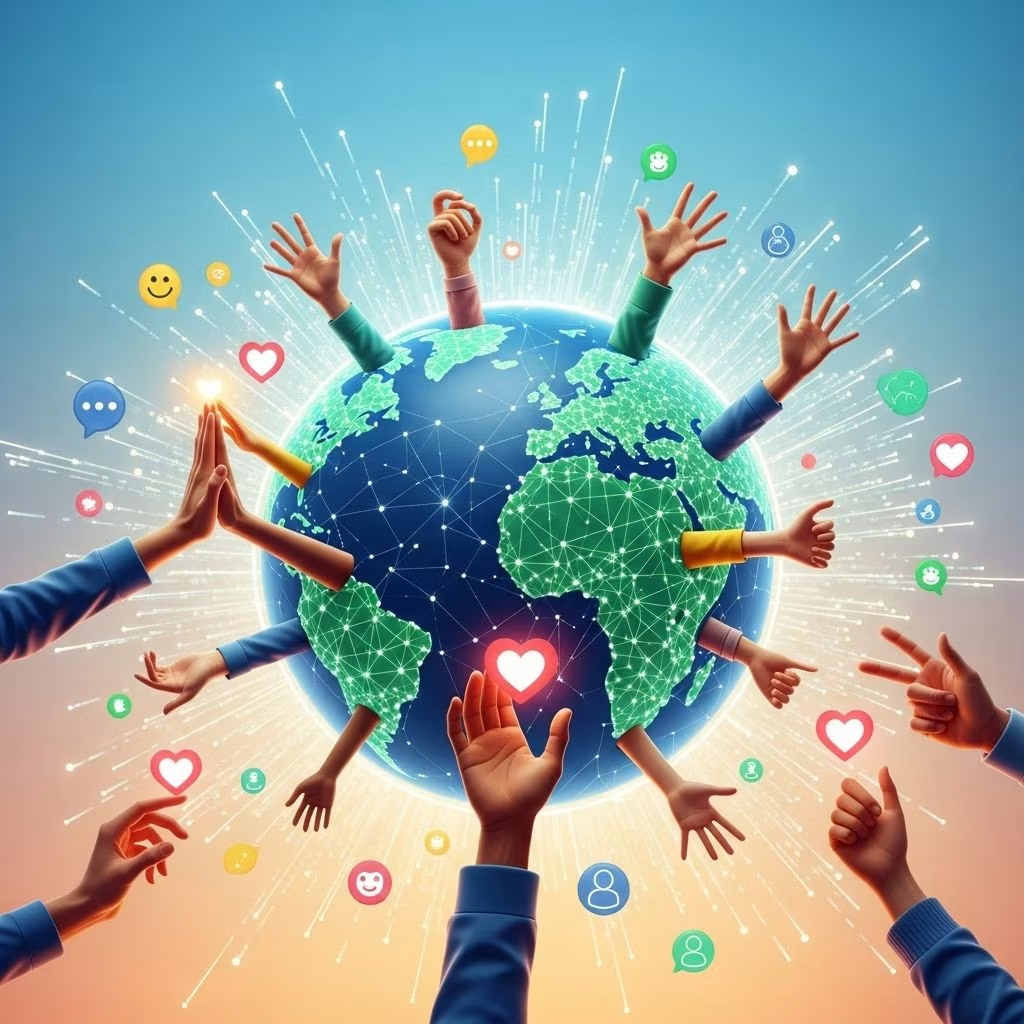
Each year, on International Friendship Day, millions celebrate the profound, boundary-crossing impact of friendship. In today’s connected world, many of those closest relationships form not in classrooms or offices, but in online spaces—from message boards and multiplayer games to Twitter threads and support groups. As digital technology expands our social universe, these connections grow deeper, more complex, and often more meaningful than we realize.
This article reveals five surprising, research-backed facts about internet friendships. From the trust between online friends to the emotional support they provide, these insights challenge old assumptions, highlighting how powerful, supportive, and transformative virtual relationships can be.
What Is International Friendship Day?
International Friendship Day is an annual event dedicated to celebrating the bonds between friends across cultures. Officially recognized by the United Nations in 2011 and observed on July 30, it was established to foster peace and understanding between peoples, countries, and communities by promoting the values of friendship and solidarity.
- Origin: Proposed in Paraguay (1958) by Dr. Ramon Artemio Bracho and the World Friendship Crusade.
- Purpose: Encourage peace initiatives and promote dialogue and reconciliation among diverse groups.
- Celebration: Marked by exchanging messages, gifts, or simply reaching out to loved ones, both offline and online.
While traditional celebrations often highlight in-person friendships, increasing numbers of people now mark the occasion by honoring deep, lasting internet friendships that transcend physical boundaries.
5 Surprising Facts You Didn’t Know About Internet Relationships
1. Online Friends May Know the “Real You” Better Than Offline Friends
An emerging body of research suggests that online friends often gain a more unfiltered, authentic view of your personality and struggles than many offline acquaintances. Several factors contribute to this remarkable phenomenon:
- Anonymity & Reduced Judgment: The internet offers a veil of relative anonymity, shedding the constraints of daily social norms and allowing people to express themselves more honestly.
- Selective Sharing: You decide which aspects of your life to reveal, often focusing on your fears, hopes, and feelings instead of surface-level details.
- Less Social Pressure: With less risk of confrontation, people tend to open up about sensitive issues, fostering bonds based on vulnerability and shared experiences.
It’s not uncommon for someone to confide things to an online confidante they’d never share with childhood friends, family, or partners. The result? Many internet friends are uniquely equipped to offer empathy, understanding, and guidance when it matters most.
2. The “Stranger on the Internet” May Be Your Strongest Supporter
Popular culture has often painted online relationships as superficial, fleeting, or even dangerous. Reality, for many, is the opposite: internet friends frequently emerge as crucial sources of emotional support, sometimes surpassing even family or local friends.
- Peer Groups: Online communities allow people to find like-minded individuals who understand their unique interests, struggles, or identities (such as fandoms, chronic illness groups, or LGBTQ+ forums).
- Continuous Connection: Digital platforms make it possible to stay in touch regardless of location or time zone, facilitating 24/7 support when needed most.
- Empathy Over Distance: The bond of shared experience—whether navigating anxiety, heartbreak, or creative pursuits—can prove remarkably powerful, even (or especially) for those who have never met in person.
Online friends have been known to celebrate milestones, offer words of encouragement through setbacks, and be “present” during crises—sometimes more so than geographically close friends.
3. Trust and Loyalty in Internet Friendships Can Rival ‘Real Life’ Bonds
One of the most persistent myths about internet relationships is that they lack the depth and longevity of friendships formed in traditional settings. Research and real-world testimony, however, tell a different story:
- Long-Term Loyalty: Many digital friendships, developed over years of shared communication, gaming, or creative projects, withstand the pressures of distance and time as well as—if not better than—offline friendships.
- Trust Through Communication: Regular messaging, video chats, and shared projects facilitate a level of daily communication rarely possible with busy, in-person friends. This frequent exchange builds trust and helps resolve misunderstandings swiftly.
- Shared Vulnerability: Multiple studies indicate that mutual openness about emotions and personal challenges creates a strong foundation for loyalty and trust, whether the relationship exists online or offline.
While online relationships have their own risks, dismissing them as hollow or temporary misses the truth: many endure for years, transition to real-life meetings, or become life-defining alliances.
4. Technology Shapes the Way We Build and Maintain Friendships
The digital revolution has profoundly changed the nature of friendship:
- Communication Channels: From instant messaging to social media, the variety and accessibility of platforms has allowed friendships to evolve through texts, images, memes, and live video, fostering multi-layered connections.
- Global Reach: No longer bound by geography, people connect with others from different continents and cultures, broadening perspectives and reducing prejudice through shared stories and experiences.
- Hybrid Friendships: Increasingly, long-term friendships span both digital and physical worlds—people may meet online before deepening their bonds through real-world meetups, or vice versa.
Technology doesn’t just supplement offline connections; it often becomes the foundation for the deepest, most enduring bonds in people’s lives.
5. Online Friendships Play a Vital Role in Mental Health—Especially for the Isolated
For individuals who struggle with social anxiety, marginalized identities, or physical barriers, online friendships can be life-changing, or even lifesaving. Important ways digital relationships support mental health include:
- Reduced Loneliness: Virtual communities allow isolated individuals to form connections and feel part of a group, reducing feelings of loneliness and alienation.
- Accessible Support: People experiencing mental health challenges can access peer support or professional advice anonymously, overcoming the stigma or logistical hurdles often associated with in-person therapy.
- Validation and Acceptance: Internet friendships can provide a sense of belonging by connecting people who might otherwise feel misunderstood, bullied, or excluded in their offline environments.
For generations raised in a digital world, these relationships provide a crucial buffer against isolation and can play a key role in emotional resilience and wellbeing.
The Changing Perception of Online Friendships
While skepticism remains, especially in older generations, societal perceptions of online relationships are rapidly evolving. Many now acknowledge internet friendships as real, meaningful, and worthy of respect—often documented with hashtags, digital scrapbooks, and dedicated Friendship Day posts.
Why Do We Need International Friendship Day in the Digital Age?
- To Celebrate Connection: Friendship Day is a global reminder to recognize and value both traditional and digital bonds for the profound impact they have on our lives.
- To Build Bridges: Honoring online and offline friendships promotes mutual understanding across cultures, backgrounds, and experiences.
- To Encourage Kindness: In a world often riven by division, celebrating friendships—wherever they begin or blossom—encourages empathy, acceptance, and goodwill.
| Aspect | Online Friendships | Offline Friendships |
|---|---|---|
| Mode of Interaction | Text, video, forums, games | In-person and calls |
| Geographical Limits | Global | Often Local |
| Communication Frequency | Frequent, instant | Limited by schedules |
| Depth of Confession | Often greater anonymity; deep sharing | Can be deep but sometimes limited by social pressure |
| Support Types | Emotional, informational, peer-group | Emotional, practical, face-to-face |
How to Make the Most of International Online Friendship Day
If you want to celebrate your digital besties this year, consider these ideas:
- Send a heartfelt message—Tell your online friends what their presence means to you.
- Create a digital scrapbook or meme collage celebrating your shared moments.
- Organize a virtual hangout via group video chat.
- Start a new online project together—like a collaborative playlist or blog.
- Share your story about how you met and what you’ve overcome together, inspiring others to value their digital bonds.
Frequently Asked Questions (FAQs)
Q: Are online friendships as real or meaningful as offline ones?
A: Yes. Research and personal testimonies confirm that digital friendships can be robust, emotionally supportive, and long-lasting, often providing unique forms of understanding and empathy.
Q: Are online friends trustworthy?
A: Many online friends develop strong bonds of trust and loyalty over time. As with all relationships, gradual, open communication is key to building mutual trust and safety.
Q: How can I celebrate International Friendship Day with my internet friends?
A: Send a personalized message, create a digital collage, arrange a video call, or reminisce about shared achievements to honor the contribution of your online companions.
Q: Can online friendships help mental health?
A: Absolutely. Online peer support communities can decrease loneliness, foster resilience, and provide a safe space for emotional sharing—vital for mental health, especially among isolated individuals.
Q: How do I keep my online friendships safe and healthy?
A: Prioritize open communication, set clear boundaries, and never share sensitive personal information with people you don’t fully trust. If you ever feel uncomfortable, disengage and seek support if needed.
Whether your closest companion is across the street or across the globe, friendship—offline or online—enriches lives and connects hearts. This International Friendship Day, take a moment to cherish those digital ties, celebrate your internet friends, and recognize the transformative power of connection in all its forms.
References
- https://en.wikipedia.org/wiki/Friendship_Day
- https://amberstudent.com/blog/post/the-ultimate-friendship-day-guide-history-celebrations-and-gift-ideas
- https://friendshiplamps.com/blogs/news/the-history-of-international-friendship-day
- https://varnz.ai/blog/friendship-day-history-how-did-it-begin-and-why-do-we-celebrate
- https://www.un.org/en/observances/friendship-day
- https://economictimes.com/news/new-updates/friendship-day-2025-why-friendship-day-is-celebrated-check-date-history-importance-significance-celebration-all-you-need-to-know/articleshow/123043517.cms
- https://indianexpress.com/article/when-is/un-international-day-of-friendship-2025-date-theme-history-significance-10158443/
- https://caleidoscope.in/alternative-lifestyle/international-friendship-day
- https://www.nationaldaycalendar.com/national-day/national-friendship-day-first-sunday-in-august
- https://sproutsocial.com/social-media-holidays/national-friendship-day/


