


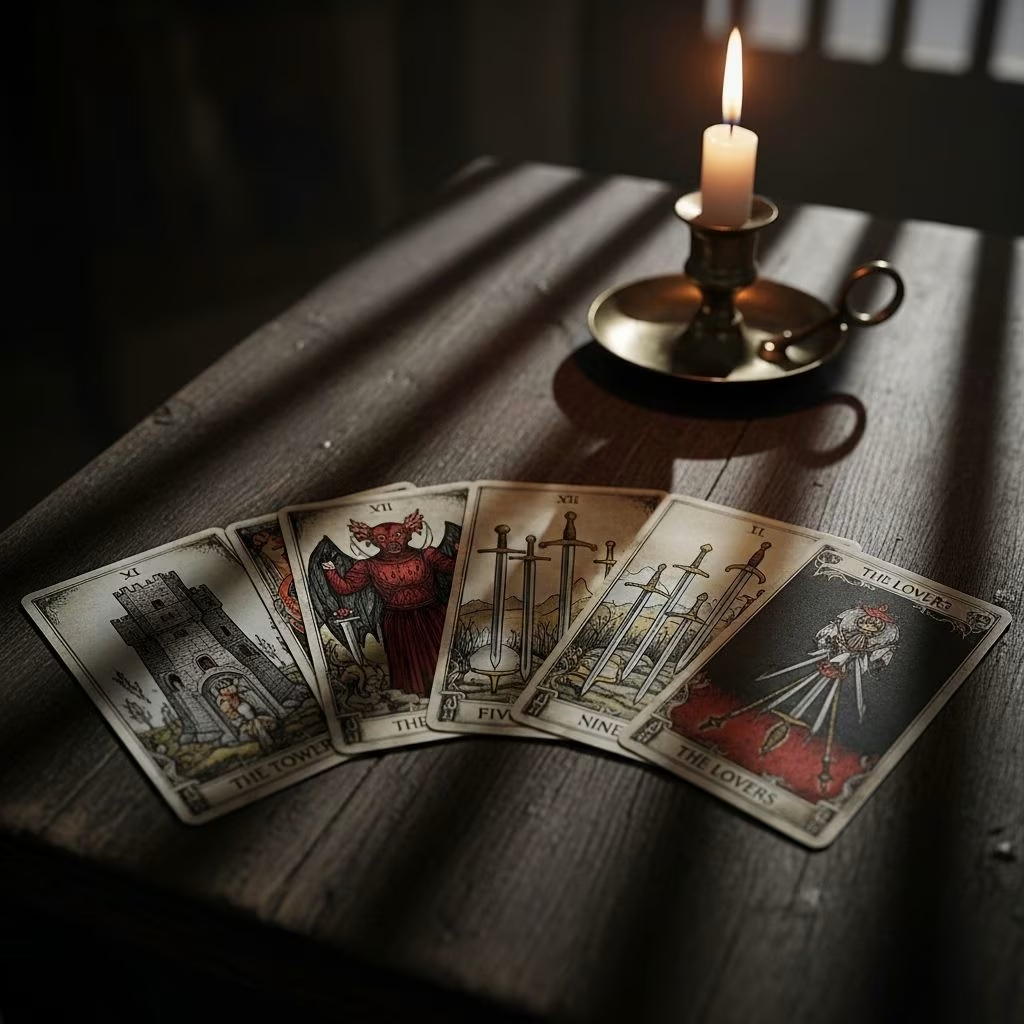
6 Tarot Cards That Spell Trouble for Your Relationship
Relationships are often beautiful journeys, but sometimes intuition—and tarot—can unveil warning signs before they become undeniable. According to tarot experts, there are specific tarot cards that, when drawn during a romantic reading, may signal trouble ahead. Whether you feel uncertainty or a nagging sense of dread about your love life, these cards could clarify the energetic undertow beneath the surface.
How Tarot Cards Offer Insight Into Relationships
Tarot does not dictate your fate, but it provides a snapshot of your relationship’s energy at the moment of inquiry. When you ask the cards about your romantic partnership, they reflect the current dynamics, emotional patterns, and potential trajectories. As expert reader Angie Banicki notes, tarot can reveal urgent needs—such as compromise—or guide self-reflection about past relationships and personal readiness for new depths of intimacy.
- Immediate energy snapshot: The cards connect to your current emotional and relational landscape.
- Warnings and advice: Some cards clearly indicate tension, betrayal, or endings, while offering guidance for navigating or averting trouble.
- Potential for growth: Even difficult cards can invite healing and transformation if their messages are heeded.
Keep an Eye Out for These 6 Tarot Cards That Could Mean Trouble in Your Relationship
If you’re seeking clarity or reassurance about your romantic path, be aware of the following six tarot cards, as identified by experienced practitioners. These cards each highlight a distinct aspect of relationship stress or breakdown. Below, you’ll find a detailed explanation of their meaning, implications, and suggested responses.
1. Three of Swords
Classic heartbreak and miscommunication. Among tarot readers, the Three of Swords is notorious for signifying pain in relationships. According to Casey Zabala, this card highlights issues of miscommunication, misunderstanding, and—even more ominously—the possible involvement of a third party.
- What it means: “A pretty harsh energy… It can illuminate a third party involvement or deep misunderstanding.”
- Advice: Clear communication is essential. Manage your expectations, articulate your needs, and avoid assuming your partner is aware of your emotional state without voicing it.
- Potential positive: It signals an opportunity to heal through openness and vulnerability.
2. Seven of Swords (Reversed)
Betrayal, cheating, and unfairness. When the Seven of Swords appears reversed in a reading, it is a major red flag, especially regarding fidelity and honesty. Expert Angie Banicki emphasizes its association with active cheating, broken trust, or severe unfairness that one partner must contend with.
- What it means: “Reversal is usually one of cheating, not trust, or something being unfair to one partner.”
- Advice: Investigate honesty in your relationship and be prepared to set boundaries or find alternative paths if necessary.
- Potential positive: The revelation of truth, while painful, may liberate you from unhealthy dynamics.
3. Ten of Swords
Endings and deception. Drawing the Ten of Swords can suggest that a relationship is reaching its unavoidable conclusion—often abruptly or under the shadow of deception.
- What it means: “A sign of brutal endings or deception… impending challenges.”
- Advice: Accept and process the ending gracefully; use this moment to gain mental clarity and fortitude for future growth.
- Potential positive: After the storm, new beginnings and personal empowerment can arise.
4. The Tower
Sudden upheaval and dramatic change. Although not listed in the source search results, expert consensus frequently includes The Tower among cards that can threaten romantic harmony. When it appears, expect an unexpected shake-up, revelation, or breakdown of established patterns.
- Warning: Shock, crisis, or forced transformation in the relationship structure.
- Advice: Stay open to rapid change and recognize that breakdown can make way for rebuilding on firmer ground.
5. Five of Cups
Regret, loss, and emotional disappointment. The Five of Cups signals a period where grief and disappointment dominate the emotional landscape. One or both partners may be consumed by regret over what’s been lost, making it difficult to appreciate remaining positives.
- Warning: Focusing on past wounds may be preventing healing and progress.
- Advice: Allow space for grieving, but consciously shift attention toward aspects of connection that remain intact.
6. The Devil
Toxic patterns and unhealthy attachments. The Devil card forces an honest look at addictive, controlling, or unhealthy dynamics, such as codependency, addiction, or manipulative behaviors.
- Warning: Be wary of attachments that stifle growth or wellbeing.
- Advice: Seek to break free from cycles of control and addiction; prioritize independence and emotional health.
Interpreting Tough Relationship Tarot Cards
While encountering these cards during a reading can be unsettling, their appearance serves a valuable function. Tarot does not intend to punish or frighten, but to enlighten. When you see warning cards, consider them as prompts to reflect on the state of your partnership and explore constructive changes. Here are key principles for handling troubling tarot messages:
- Do not panic: The cards show potential, not destiny. Free will allows you to change behavior or course.
- Engage in dialogue: Use the reading to initiate honest conversations with your partner about needs, fears, and boundaries.
- Seek growth: Even painful insights can catalyze healing and transformation—if you’re willing to face them.
Table: Summary of Cards and Warnings
| Card | Core Meaning | Relationship Warning | Recommended Action |
|---|---|---|---|
| Three of Swords | Heartbreak, Miscommunication | Third-party involvement, lack of clarity | Communicate openly |
| Seven of Swords (Reversed) | Betrayal, Deceit | Cheating, unfair treatment | Confront dishonesty, seek truth |
| Ten of Swords | Endings, Deception | Abrupt ending, major challenges | Accept closure, focus on healing |
| The Tower | Upheaval, Sudden Change | Major disruption, crisis | Adapt, rebuild after breakdown |
| Five of Cups | Loss, Regret | Sorrow, fixation on the past | Grieve, but reframe perspective |
| The Devil | Toxicity, Dependency | Addictive patterns, control issues | Break unhealthy attachments |
How To Approach Tarot Readings About Your Love Life
If you’re eager to draw your own cards or consult a tarot reader regarding your relationship, preparation is key to garnering honest, helpful insight.
- Determine your reading type: Do you need clarity about current dynamics or insight into future trajectory? You can use a spread that reveals the past, present, and future, or focus on your union as it stands now.
- Clear your mind before the reading: Grounding techniques—such as meditation, yoga, or simply deep breaths—can help avoid projecting personal fears onto the message of the cards.
- Shuffle and cleanse your deck: Especially after intense periods, cleanse your tarot cards to remove prior energies and ensure a fresh reading.
- Embrace what you see: Understand that difficult cards don’t mean doom; instead, they illuminate truth and invite you to take responsibility for change.
Expert Advice from Tarot Readers
- Don’t approach the deck with desperation or a desire to confirm fears—this can distort readings and hinder clarity.
- Use tarot as a tool for self-examination and growth, not just prediction.
- If any card jumps out during shuffling, include it in your spread; spontaneous appearances often carry special significance.
- Respect the process as a means to connect with your own intuition and the energies around your relationship, rather than a divinely sealed fate.
Frequently Asked Questions
Q: Should I end my relationship if I pull one of these cards?
A: Not immediately. These cards signal areas of concern, not absolute conclusions. Their presence is a prompt for reflection, conversation, and sometimes radical honesty, not an automatic instruction to walk away.
Q: Can challenging tarot cards ever be positive?
A: Yes, difficult cards can catalyze healing and signal opportunities for change. They call attention to what needs addressing and provide motivation to improve communication, boundaries, or self-awareness.
Q: How often should I do relationship readings?
A: Frequency depends on personal need, but avoid compulsive or repeated readings in times of crisis; this can muddy insight and increase anxiety. Give yourself time to process each reading before seeking another.
Q: Are reversed cards always bad in romantic queries?
A: Not necessarily. While cards like the Seven of Swords reversed may intensify negative meanings, some reversals simply indicate blocked energy or hesitation, which can be worked through constructively.
The Value of Tarot In Navigating Relationships
Tarot offers more than mere prediction: it invites self-inquiry, honest dialogue, and renewed presence in your relationship. By learning to interpret challenging cards—and responding with courage, not fear—you gain tools to address issues proactively and cultivate healthier, more intentional connections. Let each card’s message be a beacon guiding you toward clarity and growth, no matter where your romantic journey leads.
References
- https://www.elitedaily.com/p/6-tarot-cards-that-mean-bad-things-for-your-relationship-according-to-a-tarot-expert-17908924
- https://www.elitedaily.com/p/how-to-use-tarot-cards-to-learn-about-your-love-life-5479752
- https://www.youtube.com/watch?v=mJntzIgBdeQ
- https://timesofindia.indiatimes.com/astrology/horoscope/taurus-weekly-shani-horoscope-october-13-19-2025-saturn-delays-approval-stay-steady-and-resubmit/articleshow/124429584.cms


