


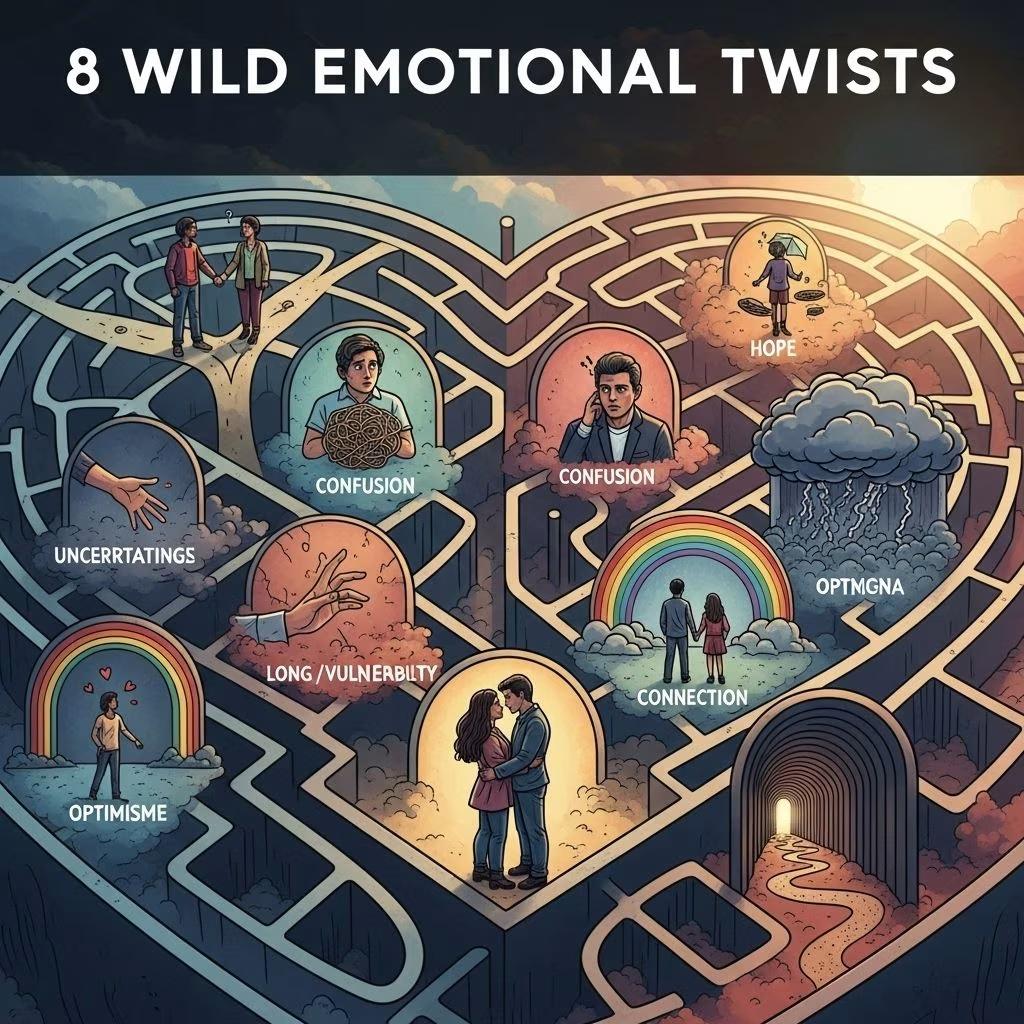
Starting a new relationship can feel a lot like strapping yourself into a rollercoaster you never quite signed up for. The rush of excitement, the anxiety, the sleepless nights—each emotion more bewildering than the last. If you’ve ever wondered why your feelings spin so wildly during those first few months, know that you’re not alone. Almost everyone riding the wave of new romance encounters a medley of emotions that challenge their sanity, sense of self, and sometimes, their sleep schedule. Here, we delve deep into the eight core emotional stages you’re likely to face, and what they reveal about the messy, magical start to any meaningful love story.
1. Mania: The Rush of Romance
The first stage in a new relationship is pure euphoria—a sense that everything is suddenly extraordinary. That new person isn’t just your crush; they’re the reason why your coffee tastes sweeter and your commute feels less tedious. People around you notice the pep in your step, and you notice that previously mundane activities suddenly sparkle because they’re shared or inspired by your new partner.
- You might find yourself showering gratitude on your partner for things as trivial as sending a text or holding the door.
- Everyday problems fade into the background; the world appears softer and kinder through the lens of infatuation.
- You may even laugh off annoyances, like missed buses or spilled coffee, simply because life feels so much better now.
Such is the power of romance-induced euphoria. It rarely lasts forever, but it’s an indispensable part of falling in love and creating powerful bonding memories.
2. Emphatic Open-Mindedness: Embracing the Unknown
Once the spark ignites, many people experience a surge of newfound curiosity and flexibility. You’re suddenly willing to try things you would have dismissed just weeks before. It’s not just about pleasing your partner; it’s about exploring new facets of life, together.
- You join your partner in activities outside your comfort zone—rock climbing, sampler platters at obscure restaurants, or spontaneous weekend trips.
- Your personal boundaries stay intact, but your openness to new hobbies or adventures expands dramatically.
- You find yourself saying yes more, not out of obligation but out of genuine curiosity and a desire to build shared experiences.
This stage fosters growth and mutual understanding, setting the scene for a relationship that is as adventurous as it is grounded.
3. Pretending You Don’t Need Sleep: Love’s Nocturnal High
Sleep? Who needs sleep? In the haze of a blossoming romance, nights grow longer, mornings blur into one another, and exhaustion becomes almost a badge of honor. The only real priority is maximizing time spent with your new partner.
- You stay up late talking, laughing, or going out—ignoring the responsible inner voice reminding you of work or school the next day.
- Exhaustion is compounded by other pleasant distractions, like impromptu sleepovers and ever-present morning intimacy.
- Despite the fatigue, you feel an adrenaline-fueled energy to keep going, motivated by infatuation’s unique blend of dopamine and hope.
This phase is exhilarating, though ultimately unsustainable. Over time, reality reasserts itself, but for those first few weeks or months, you’re driven as much by your heart as by your body clock.
4. Crushing Insecurity and Jealousy: The Fear Factor
Even the most confident people aren’t immune to the waves of insecurity and jealousy that can sweep in during a new relationship. These feelings are typically fueled by the uncertainty and vulnerability that come with opening your heart to someone new.
- You may catch yourself analyzing social media, texts, or chance encounters for hidden meanings or signs of interest in others.
- Insecurity can manifest as nervousness around your partner’s friends or an uncharacteristic need for reassurance.
- Jealousy feels particularly raw and illogical in the early days, even when there’s no reason to distrust your partner.
Such intense feelings can be disorienting, but they are temporary. As the relationship matures, these anxieties usually subside and are replaced by trust and familiarity.
5. The Art of Overthinking: Second-Guessing Every Move
With passion and possibility set to maximum, you might find your mind awash with over-analysis. Overthinking is a hallmark of early relationships, where every word, glance, and silence can feel loaded with meaning.
- Simple texts become puzzles: “Did they mean to use that emoji? Why did they reply so quickly—or so late?”
- You replay conversations in your mind, scrutinizing what you said, what you wore, or where the evening left off.
- This vigilance is partly protective—your brain trying to predict outcomes and avoid disappointment.
It’s worth remembering that mutual attraction and goodwill, not overanalysis, are what deepen a connection. Practice patience with yourself, and remind yourself to enjoy the moment as it comes.
6. Uncharacteristic Spontaneity: The Spark of Impulse
Those first steps into a relationship often unlock a level of spontaneity you didn’t know you had. Suddenly, life’s routines are broken up by impulsive plans and inspired gestures.
- Last-minute road trips, unplanned dinners, or hours spent in conversation without checking the clock become your new normal.
- There’s a rush from living in the present; your usual reservations or meticulous planning go out the window.
- This attitude is energizing and fun, helping create the shared narrative that bonds couples together.
Embracing spontaneity can be a rewarding side effect of vulnerability and excitement, laying the groundwork for lasting memories and a dynamic partnership.
7. Idealizing Your Partner: Setting Them On a Pedestal
In the honeymoon phase, it’s natural to idealize your new partner. You focus on their best traits—their kindness, humor, intelligence—while conveniently overlooking quirks or flaws.
- They seem almost perfect, and you can’t imagine feeling differently down the line.
- Disagreements, if they arise, are brushed off as misunderstandings rather than red flags.
- You savor the admiration, even as you begin to weave their virtues into your daily stories and future plans.
Eventually, reality balances out the fantasy, but at the start, this pedestal effect fuels both commitment and anticipation.
8. Fear of Vulnerability and Loss: Will This Last?
Despite the euphoria, doubt inevitably creeps in: What if it stops? What if I get hurt? Vulnerability and fear of loss are universal in the early stages of any significant connection.
- You might withhold certain truths, feelings, or fears, unsure how your partner will respond.
- There can be moments when the intensity feels like too much, making you yearn for clarity or reassurance.
- This fear is often a sign that you genuinely care and are invested in the outcome.
Vulnerability is a risk, but it’s also essential for intimacy to flourish. Over time, honesty and mutual support will reinforce trust, replacing fear with security.
The Science and Psychology Behind It All
Why do these wild emotions surface so consistently in new love? Relationship experts point to a cocktail of brain chemicals—dopamine, oxytocin, adrenaline—that surge when we engage with someone new and exciting. Psychologically, we’re hardwired to seek connection, and novelty amplifies both joy and anxiety. The initial uncertainty and emotional ups and downs help us bond quickly and assess the potential for long-term partnership.
While these phases often feel overwhelming, they’re also pivotal. Mindfully experiencing them can help set the foundation for healthier, stronger, and more authentic relationships down the road.
Table: Quick Glance—8 Emotional Stages in New Relationships
| Emotion/Experience | Typical Behaviors | Lasting Impact |
|---|---|---|
| Mania | Over-the-top joy, euphoria, positive outlook | Creates bonding memories and initial excitement |
| Open-mindedness | Trying new things, embracing change | Fosters adaptability, mutual discovery |
| Lack of sleep | Late nights, prioritizing time together | Short-term exhaustion, deepened intimacy |
| Insecurity/Jealousy | Need for reassurance, comparisons | Opportunity to build trust over time |
| Overthinking | Analyzing texts/conversations, second-guessing | Heightened anxiety, eventual emotional regulation |
| Spontaneity | Unplanned adventures, impulsive decisions | Creates lasting memories and joy |
| Idealization | Viewing partner as flawless | Smooths early friction, tempers with time |
| Vulnerability/Fear | Worrying about loss, holding back feelings | Deepens after trust develops |
Tips To Navigate the Emotional Whirlwind
- Don’t rush it. Enjoy the stages as they come; each feeling serves a purpose.
- Communicate openly. Share your experience and anxieties with your partner. Honesty builds trust.
- Balance time together and apart. It’s healthy to maintain your identity and friendships outside the relationship.
- Self-care matters. Prioritize rest and personal needs, even amidst the excitement.
- Welcome vulnerability. Your willingness to be open helps set the tone for lasting intimacy.
Frequently Asked Questions (FAQs)
Q: How long does the intense emotional phase of a new relationship last?
A: These feelings can peak in the first few weeks to months, typically normalizing as familiarity, security, and routine set in—usually within the first year.
Q: Is it normal to feel jealous or insecure in a new relationship?
A: Yes, almost everyone grapples with these feelings early on due to vulnerability and uncertainty. With time and honest communication, these emotions usually subside.
Q: Can the excitement last forever?
A: The initial honeymoon period inevitably fades, but it’s often replaced by deeper, more enduring forms of love and companionship.
Q: How do I deal with overthinking in a new relationship?
A: Stay present, avoid jumping to conclusions, and communicate openly about your thoughts and feelings with your partner. Mindfulness techniques can also help.
Q: What if my partner experiences emotions differently?
A: Everyone’s emotional timeline varies. Respect each other’s pace and use your differences to grow mutual understanding.
Final Reflection
No matter how rational or level-headed you may be, entering a new relationship is bound to stir up emotions that surprise you. Embrace the rollercoaster, learn from every twist, and trust that, in time, these wild emotional surges will settle into the quiet rhythm of a lasting partnership. The journey from mania to comfort is not only inevitable—it’s what makes falling in love so exhilarating and, ultimately, so profoundly meaningful.
References
- https://www.bustle.com/articles/67599-8-things-youll-experience-in-a-new-relationship-that-will-seriously-make-you-question-your-sanity
- https://pivotalcounselingcenter.com/8-small-things-you-can-do-to-build-healthy-relationships/
- https://www.bustle.com/p/breaking-these-8-relationship-rules-can-make-your-bond-stronger-with-your-partner-11772659
- https://www.onlinetherapynyc.com/blog/2018/8/10/featured-in-bustle-11-seemingly-innocent-habits-that-can-sabotage-a-new-relationship-before-it-starts
- https://www.bustle.com/articles/110685-how-important-is-sex-in-a-new-relationship-8-experts-weigh-in
- https://www.marriage.com/advice/relationship/how-to-be-faithful-in-a-relationship/
- https://www.intuitivehealingnyc.com/blog/2019/4/15/bustle-feature-common-relationship-problems-among-people-with-anxiety
- https://www.helpguide.org/mental-health/stress/stress-management


