


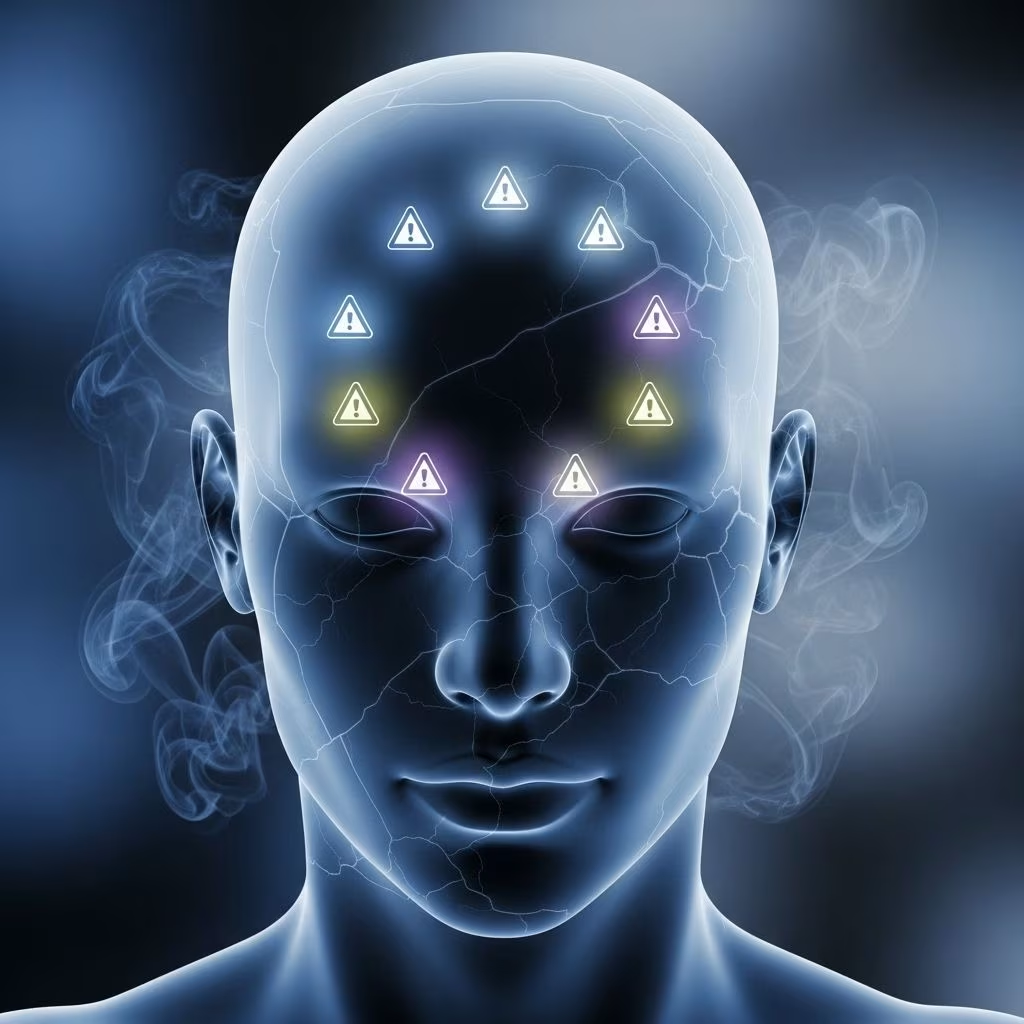
Recognizing Dissociative Disorders: 8 Warning Signs You Should Know
Dissociative disorders represent a group of complex mental health conditions characterized by disruptions in consciousness, memory, identity, or perception. These signs, often subtle and misunderstood, can have profound effects on an individual’s daily functioning and relationships. Understanding the core warning signs is crucial for early detection, empathy, and support for those affected.
What Are Dissociative Disorders?
Dissociative disorders are mental health conditions that involve a disconnection or lack of continuity between thoughts, memories, surroundings, actions, and identity. Although some dissociative experiences are mild and common—such as daydreaming or losing oneself in a book—chronic or severe symptoms can severely impact a person’s quality of life.
There are several dissociative disorders, including:
- Dissociative Identity Disorder (DID)
- Dissociative Amnesia
- Depersonalization/Derealization Disorder
Dissociation is often a coping mechanism in response to overwhelming trauma or stress, especially in early childhood.
Understanding Dissociation: Why It Happens
Dissociation generally develops as the mind’s way of coping with situations that are too severe or distressing to assimilate directly. Common causes include childhood abuse, neglect, accidents, loss, or persistent stress. The mind “splits off” experiences or even aspects of self to protect the core psyche from pain or trauma.
Common triggers and risk factors for dissociation include:
- Chronic or repeated trauma, especially in childhood
- Physical, emotional, or sexual abuse
- Sudden loss or overwhelming stress
- Neglect or unstable home environments
8 Warning Signs of Dissociative Disorders
The following eight signs are frequently reported among those living with dissociative disorders. While not everyone experiences all symptoms, the presence of several may signal the need for assessment by a mental health professional.
1. Memory Lapses and Gaps (Amnesia)
One hallmark of dissociative disorders is unexplained memory loss or long “blackouts” where individuals cannot recall important personal information, recent events, or even entire periods of their lives. This amnesia is not accounted for by ordinary forgetfulness and often centers around traumatic events.
- Inability to remember details of traumatic or stressful experiences
- Missing time—discovering gaps of hours, days, or longer with no recollection
- Finding evidence of activities or purchases you do not recall making
- Meeting people who recall you, but whom you do not remember
These memory gaps can cause significant distress and confusion, both personally and in relationships.
2. Depersonalization: Feeling Disconnected from Yourself
Many people with dissociative disorders experience depersonalization: a sense that they are watching themselves from outside their own body, or feeling “unreal” and disconnected from emotions or sensations.
- Feeling as if you are observing yourself as a stranger might
- Emotions feel muted, distant, or entirely absent
- Feeling “robotic” or on “autopilot” through daily activities
- Experiencing parts of your body as foreign or not belonging to you
3. Derealization: Surroundings Seem Unfamiliar or Unreal
Derealization involves a dreamlike detachment from your surroundings, as if the world has suddenly become foggy, fake, or distant.
- Familiar people or places feel unfamiliar or distorted
- The environment appears as through a haze or glass
- Maintaining logical awareness that your surroundings are real, even when they feel otherwise
Derealization and depersonalization often occur together, amplifying a profound sense of isolation.
4. Significant Fluctuations in Identity or Self-Perception
Another key sign is identity confusion or alteration: an internal struggle about who you are, sometimes accompanied by the assumption of different personas, voices, or behaviors.
- Speaking, dressing, or behaving very differently at different times
- Feeling as if you are “not yourself” or embodying multiple selves
- Others noticing marked changes in your accent, handwriting, preferences, or mood
- Using different names or referring to oneself in the plural (“we” instead of “I”)
In Dissociative Identity Disorder (DID), these changes can be distinct and recurrent, with “alters” or separate identities taking control at different moments.
5. Emotional Detachment and Numbness
People with dissociative disorders often experience emotional numbing or difficulty feeling connected to their own emotions.
- Difficulty identifying or describing feelings (alexithymia)
- Feeling “empty,” “dull,” or incapable of experiencing joy or sorrow
- Sudden mood swings or unexplained emotional reactions
- Loss of motivation or energy
6. Difficulty Concentrating and Brain Fog
Concentration issues and “mental fog” are common complaints.
- Trouble staying focused on tasks or conversations
- Memory issues that disrupt school, work, or social interactions
- Feeling disoriented, confused, or “out of it” for periods of time
These symptoms further impact self-esteem and can be mistaken for other cognitive disorders.
7. Unexplained Physical Symptoms and Sensory Distortions
Dissociation isn’t only psychological—it can manifest physically as well.
- Altered sense of pain (dulled, heightened, or absent)
- Body feels weightless, heavy, or has other unusual sensations
- Lightheadedness, dizziness, or racing heart with no medical cause
- Extrasensory experiences or hallucinations (e.g., hearing voices)
8. Difficulties in Relationships and Daily Life
Dissociative symptoms often create significant interpersonal challenges.
- Friends or loved ones expressing confusion over rapid changes in mood, personality, or interests
- Unexplained absences, job or academic difficulties, and lost time at work or home
- Social withdrawal and avoiding situations that trigger dissociation
- Frequent difficulty trusting oneself or others
Table: Dissociative Disorder Warning Signs and Corresponding Examples
| Warning Sign | Typical Example |
|---|---|
| Memory Lapses | Forgetting where you were or what you did during an afternoon |
| Depersonalization | Watching yourself as if you are outside your own body |
| Derealization | The supermarket feels like a movie set; nothing appears “real” |
| Identity Confusion/Alteration | Not recognizing your own handwriting or preferences |
| Emotional Detachment | Feeling numb during happy or sad events |
| Concentration Issues | Easily distracted; inability to finish simple tasks |
| Physical Symptoms | Feeling sensations that others do not notice |
| Relationship Difficulties | Friends express confusion over your sudden changes |
How Dissociative Disorders Impact Life and Relationships
The ripple effects of dissociative disorders extend far beyond individual symptoms. Untreated, these conditions can disrupt work, schooling, and intimacy, often leading to social withdrawal and isolation.
- Work and School: Memory loss, difficulty concentrating, and lost time can undermine productivity and attendance.
- Personal Relationships: Friends, partners, and family may struggle to understand shifting behaviors, which can stress bonds or lead to conflict.
- Self-Esteem: Living with unexplained symptoms can foster shame, confusion, or a sense of being “broken.”
Diagnosing Dissociative Disorders
Diagnosing dissociative disorders is complex. Clinicians rely on in-depth interviews, standardized assessment tools, and careful exclusion of medical or substance-induced causes.
- Diagnosis requires persistent, disruptive symptoms not explained by drugs, medication, or neurological illness.
- Key screening questions explore memory loss, identity changes, and experiences of detachment.
- Specialized tools, such as the Structured Clinical Interview for Dissociative Disorders (SCID-D), measure five core symptoms: amnesia, depersonalization, derealization, identity confusion, and identity alteration.
Challenges in Diagnosis
- Many people do not recognize dissociative symptoms in themselves and may seek help due to depression, anxiety, or somatic complaints instead.
- Symptoms may be confused with conditions such as psychosis or borderline personality disorder, making expert assessment essential.
Supporting Someone with Dissociative Symptoms
If you or someone you know is experiencing dissociative symptoms:
- Encourage compassionate listening and non-judgmental communication.
- Avoid pressuring the person for explanations or details of memory gaps.
- Validate their emotional experiences and help create a sense of safety.
- Support seeking professional mental health care—therapy is often the most effective intervention.
- Educate yourself about dissociation to reduce stigma and misunderstandings.
Treatment and Recovery
Treatment for dissociative disorders typically centers on trauma-informed psychotherapy, particularly approaches focused on integrating fragmented memories and identity components.
- Psychotherapy: Specially trained therapists guide individuals in understanding triggers, developing coping skills, and gradually integrating aspects of self.
- Medication: No drugs specifically target dissociative disorders, but co-occurring symptoms such as depression or anxiety may be treated with medication.
- Lifestyle: Mindfulness, grounding techniques, and a stable daily routine can help reduce dissociative episodes.
With time, patience, and professional support, many individuals find substantial relief and improved quality of life.
Frequently Asked Questions About Dissociative Disorders
Q: Can anyone experience dissociation?
A: Yes. Almost everyone experiences mild dissociation at times, like daydreaming or “zoning out.” Chronic or severe dissociation, however, is associated with specific mental health conditions.
Q: Is dissociative identity disorder (DID) the same as having multiple personalities?
A: DID involves the presence of two or more distinct identity states but is more complex than “multiple personalities.” The disorder includes amnesia, identity confusion, and significant distress or impairment.
Q: Are dissociative disorders treatable?
A: Yes. While challenging, dissociative disorders can be managed with therapy, education, and a supportive environment. Many people experience significant improvement with consistent treatment.
Q: What should I do if I recognize these signs in myself or someone else?
A: Seek help from a mental health professional who has experience with trauma and dissociation. Early intervention can greatly reduce the impact and improve outcomes.
Q: How can loved ones help?
A: Provide acceptance, avoid judgments, and gently encourage professional support. Avoid pushing for information on past traumas—instead, offer reassurance and stability.
Additional Resources
- National Alliance on Mental Illness (NAMI): Information and support groups
- Psychiatry.org: Information on dissociative disorders
- Books and memoirs by people living with dissociative disorders for first-hand insights
- Qualified trauma therapists or mental health professionals for assessment and treatment
Please note: This article is for informational purposes and does not substitute for professional medical advice. If you or someone you know is experiencing symptoms of dissociation or is in crisis, seek help from a healthcare provider immediately.
References
- https://psychcentral.com/health/dissociative-identity-disorder-symptoms
- https://psychcentral.com/disorders/dissociative-identity-disorder
- https://psychcentral.com/health/what-dissociation-feels-like
- https://pmc.ncbi.nlm.nih.gov/articles/PMC2719457/
- https://www.psychiatry.org/patients-families/dissociative-disorders/what-are-dissociative-disorders
- https://www.youtube.com/watch?v=uxktavpRdzU
- https://psychscenehub.com/psychinsights/the-neuroscience-of-dissociation/
- https://www.kirbysmithpsych.com/dissociative-disorders.php
- https://psychcentral.com/health/dissociating-at-work


