


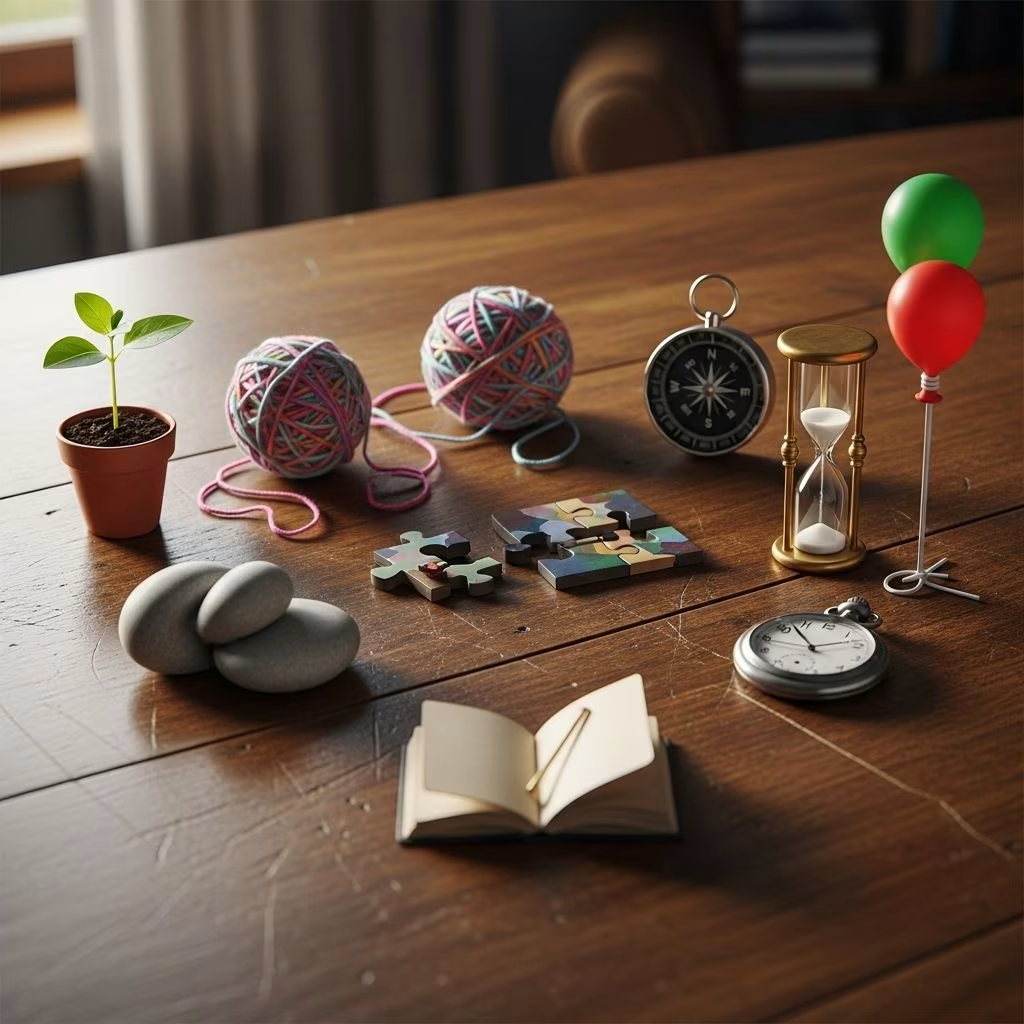
When we think of long-term relationships, most imagine a straightforward path from butterflies to blissful forever. Yet, the reality for couples who stick together is far more complex—and often surprising. In every enduring relationship, unique phases emerge, challenging partners to grow both individually and as a team. From losing a sense of self to rediscovering new depths of intimacy, here are the nine unexpected stages all couples encounter on their journey together.
1. The “Identity Loss” Stage
This phase quietly creeps in after the intoxication of new romance fades. Many long-term couples find themselves suddenly realizing they’ve become a “we” instead of an “I.” The more time spent together, the easier it is for personal hobbies, friendships, or even diets to quietly drift away. Couples often notice they finish each other’s sentences, merge schedules, or adapt preferences just to keep the peace.
- Warning signs: Losing touch with your solo hobbies, rarely hanging out with friends outside the relationship, or feeling undefined without your partner.
- Growth opportunity: Rediscovering what makes you unique can reinvigorate both your sense of self and your appeal as a partner.
Tip: Schedule “just me” time each week and encourage your partner to do the same. Personal space sustains curiosity and attraction over the years.
2. The “Forgetting The Little Things” Stage
Once comfort and routine set in, it’s common to let the small, thoughtful gestures that once brought joy slip by the wayside. Early on, you might’ve written notes, planned surprise dates, or cooked favorite meals. As commitment solidifies, these acts can seem less important amid the busyness of daily life.
- Forgotten compliments or skipped date nights might not seem major, but over time, they erode everyday romance.
- Consequence: Partners risk feeling undervalued and taken for granted, fueling future resentment.
Tip: Make a habit of noticing and appreciating your partner’s quirks, efforts, and achievements—no matter how routine they feel.
3. The “Can We Really Talk About Everything?” Stage
In this stage, real vulnerability comes to the forefront. Couples face the question: can we discuss absolutely anything, without judgment? The answer often reveals itself only after navigating disagreements, failed attempts at honesty, or painful misunderstandings.
- Topics range from finances and family to sex and personal struggles.
- This is the point where emotional intimacy is tested—true connection depends on open, honest communication.
Tip: Practice active listening and reassure your partner that tough conversations don’t threaten your bond—they strengthen it.
4. The “Settling into Daily Life” Stage
Once the relationship weathers early storms, both partners gradually settle into a familiar rhythm. Routines form—laundry on Sunday, pizza on Fridays, keeping a shared grocery list. While this stability brings comfort, it can also breed monotony.
- Challenge: The perception that love is fading simply because novelty is gone.
- Many couples mistake predictability for boredom, questioning if passion can survive long-term monotony.
Tip: Redefine romance to include the warmth and reliability of shared rituals, as well as spontaneous adventures.
5. The “Power Struggle” Stage
Every long-term couple must eventually negotiate power, autonomy, and compromise. As two independent personalities coexist, opposing needs or values inevitably clash. Whether it’s about chores, careers, or future plans, this stage puts relationship boundaries and negotiation skills to the test.
- Opportunities for growth often come disguised as heated arguments or stubborn stand-offs.
- The risk here is getting stuck in cycles of resentment or passive aggression.
Tip: Approach conflict as a team—not as opponents. Set clear boundaries and revisit them as both your needs evolve.
6. The “Re-Exploration of Intimacy” Stage
Following power struggles or periods of routine, couples often find themselves reevaluating what intimacy means. Physical desire might wax and wane, while emotional closeness is occasionally tested by external stressors. Rather than settle for less passion, healthy couples use this period to experiment, communicate, and rediscover each other’s desires.
- Intimacy in this stage involves more than just sex. It encompasses vulnerability, affection, and adventurousness.
- Trying something new together—whether in or out of the bedroom—often reinvigorates the spark.
Tip: Schedule time to reconnect, flirt, or try something different. If stuck, consider counseling or educational resources for a fresh start.
7. The “Taking Each Other for Granted” Stage
This is perhaps the sneakiest phase—one partner starts to feel less special, even invisible. It’s easy to assume your partner will always be there, and common to stop expressing gratitude or surprise. Over time, complacency can undermine appreciation and affection.
- Warning signs include less physical affection, forgotten anniversaries, or not saying “thank you.”
Tip: Reintroduce everyday gratitude. Small acknowledgments—like a loving text or simple compliment—counteract the effects of routine.
8. The “Confronting Change Together” Stage
Life inevitably brings about change: career moves, health challenges, family shifts, or new dreams. How a couple navigates these transitions shapes the relationship’s long-term trajectory. Those who adapt together emerge with stronger bonds—those who resist often struggle with resentment or grow apart.
- Flexibility and teamwork matter most; partners need to evolve goals and routines together.
- This stage tests resilience, patience, and mutual support under stress.
Tip: Address big changes as a team by setting new joint goals and creating space for individual growth within the partnership.
9. The “Rediscovering & Redefining Love” Stage
For the couples who weather all previous phases, a peaceful confidence gradually sets in. This final stage isn’t about settling, but rather about rediscovering what love now means. The relationship matures, gaining depth, flexibility, and real comfort. This is where commitment, intimacy, and genuine appreciation flourish in new forms.
- Partners embrace both the flaws and marvelous quirks of each other, finding satisfaction in their unique connection.
- Resilience, gratitude, and mutual respect define the bond—even during life’s toughest seasons.
Tip: Regularly reflect together on how far you’ve come, celebrate milestones, and continue growing both as individuals and as a couple.
Relationship Stages Table
| Stage | Main Challenge | Key to Thriving |
|---|---|---|
| Identity Loss | Losing individual interests | Maintain personal pursuits |
| Forgetting The Little Things | Routine replaces romance | Prioritize appreciation |
| Honest Communication | Difficulty discussing tough topics | Create safe, open dialogue |
| Daily Life Routine | Monotony sets in | Redefine romance with rituals |
| Power Struggle | Conflicts and autonomy needs | Negotiate and set boundaries |
| Re-Exploring Intimacy | Patching passion | Innovate and communicate |
| Taken for Granted | Complacency | Express gratitude consistently |
| Confronting Change | Adapting to life events | Face change as a team |
| Rediscovering Love | Avoiding emotional stasis | Grow together and appreciate |
FAQs: Navigating Relationship Stages
Q: Are these relationship stages always experienced in order?
A: Not necessarily. While many couples recognize a similar sequence, it’s common to revisit stages or experience some simultaneously, especially during periods of significant change.
Q: Does every couple go through the identity loss phase?
A: Most long-term couples report phases where they feel blurred between “I” and “we.” The key is to regain and protect individuality while nurturing the partnership.
Q: How do we avoid taking each other for granted if we‘ve been together for years?
A: Frequent gratitude, small surprises, and conscious effort to acknowledge each other help keep appreciation alive—even decades in.
Q: What’s the best way to address intimacy ruts?
A: Honest communication about needs, openness to experimentation, and re-prioritizing connection outside the bedroom are powerful tools.
Q: Can a relationship survive the power struggle stage?
A: Absolutely. In fact, couples who negotiate differences with empathy and respect tend to build the strongest, most resilient partnerships.
Key Takeaways for a Thriving Long-Term Relationship
- Expect to cycle through complex, sometimes challenging stages.
- Welcome both personal and relationship growth.
- Commit to open communication, flexibility, and frequent appreciation.
- Know that thriving couples continually rediscover each other across the years.
The secret to a lasting partnership isn’t avoiding challenges, but embracing every stage as a chance to know yourself—and your partner—more deeply.
References
- https://www.bustle.com/wellness/3-6-9-relationship-rule-compatibility-test
- https://shoresidetherapies.com/updates/7-stages-of-relationships
- https://cupla.app/blog/five-stages-of-a-relationship/
- https://www.bustle.com/p/9-surprising-relationship-stages-all-long-term-couples-go-through-16974026
- https://www.bustle.com/wellness/signs-your-relationship-wont-last-after-the-first-3-months-of-dating
- https://drjessicahiggins.com/what-does-the-development-of-intimacy-look-like-in-relationship/
- https://weareher.com/stages-of-a-relationship/
- https://www.bustle.com/p/the-9-most-common-reasons-perfect-relationships-end-10080208
- https://anniewright.com/three-stages-of-romantic-love/
- https://www.emryphotography.com/tips-to-nail-your-engagement-or-couples-session/


