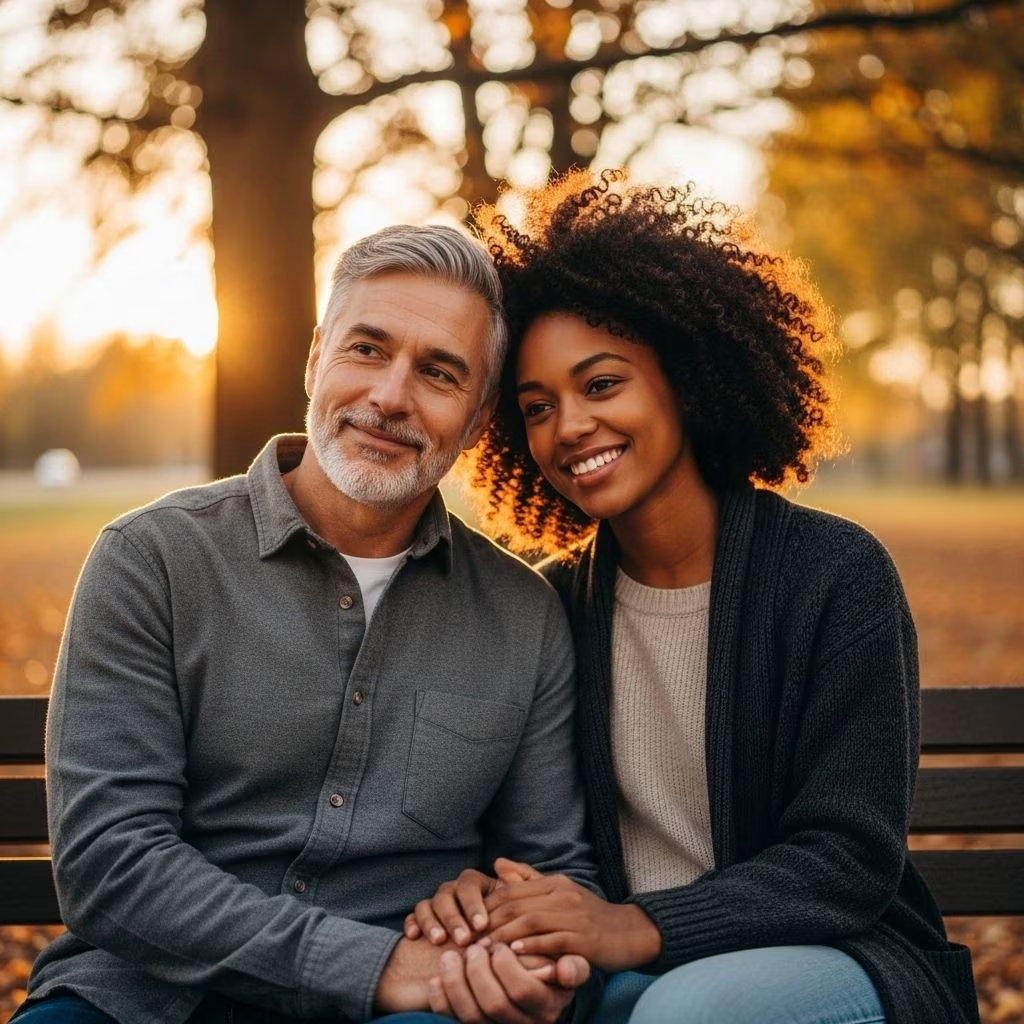
Understanding Age Gap Relationships
In today’s increasingly open and interconnected world, romantic relationships with significant age differences are becoming more visible—but they often remain some of the most misunderstood. From whispered judgments at family gatherings to social media speculation, couples with age gaps face unique challenges—as well as the potential for deep connection and growth.
What Is an Age Gap Relationship?
An age gap relationship generally refers to a romantic partnership in which there is a significant age difference between the two individuals. While any gap may provoke comments, the term often describes couples with a 10 years or more difference in age.
Age gap relationships can look very different—sometimes the man is older, sometimes the woman is. The dynamics can change depending on which partner is older and by how much.
Common Myths and Misconceptions
- “It’s just about money or looks.” A persistent myth is that partners are together for superficial reasons—wealth, beauty, or status. While these factors can exist in any relationship, many age gap couples connect over deeply shared values, interests, and emotional compatibility.
- “Older partners are controlling or predatory.” Some assume that the older partner manipulates the younger, but healthy age gap relationships thrive on equality, transparency, and mutual respect.
- “It can’t last.” Longevity is often questioned. Research and real-life examples show that with the right attitude and understanding, these relationships can be as enduring as any other.
- “Social acceptance is impossible.” While societal scrutiny is real, many couples find strength in their bond and acceptance among progressive friends and family.
What Attracts Partners in Age Gap Relationships?
The dynamics in age gap relationships can be influenced by various social, biological, and psychological factors:
- Vitality and Enthusiasm: Younger partners may bring energy and a fresh perspective, making life more vibrant for their older partners.
- Stability and Wisdom: Older partners often offer emotional maturity, stability, and a sense of security which can be deeply attractive.
- Shared Interests: Sometimes, mutual passions or values bridge the age difference and foster a genuine connection.
- Changing Gender Norms: The increasing acceptance of diverse couples makes it more common, for example, for younger men to date older women, challenging longstanding stereotypes.
Why Do Older Men Like Younger Women?
- Biological attraction to youth and vitality.
- Feeling younger, more energetic, and less jaded.
- Younger women’s attention and affection can boost confidence.
- Mutual attraction: Many younger women are also interested in older men—citing maturity, life experience, or stability as appealing traits.
Why Do Younger Women Like Older Men?
- Perceived maturity and wisdom.
- Financial security and established life experience.
- Desire for a stable relationship.
- Interest in learning from a partner with a different perspective.
Why Do Older Women Like Younger Men?
- Physical attraction and energy.
- A break from traditional gender roles.
- Desire for adventure and new experiences.
- Increasing self-assurance and independence among women.
Unique Challenges of Age Gap Relationships
While all relationships have hurdles, those with significant age differences face some distinct challenges:
- Generational Differences: Different upbringings can shape perspectives on money, parenting, and life priorities.
- Social Circles: Friends and family may not always approve or may struggle to relate, which can be isolating.
- Energy Levels and Health: Disparities in health and energy levels may emerge over time.
- Future Planning: Differences in timelines for career milestones, having children, or retirement can lead to tough conversations.
- Jealousy and Insecurity: Partners may feel envious if the other interacts easily with peers of a different age group.
- Societal Judgement: Stigma persists, especially if people assume ulterior motives rather than genuine affection.
Table: Common Challenges and Strategies
| Challenge | Strategies for Success |
|---|---|
| Different Life Stages | Openly discuss priorities, expectations, and timelines; revisit conversations regularly as circumstances evolve. |
| Family/Friends’ Disapproval | Set boundaries with loved ones, share positive aspects of your relationship, seek couple’s counseling if needed. |
| Social Judgment | Develop a thick skin, focus on each other, and build a support system of open-minded friends. |
| Health Concerns | Pursue healthy habits together, plan for changing health needs over time. |
| Sexual Compatibility | Explore open communication, counseling, and mutual understanding of each other’s needs. |
How Social and Cultural Factors Shape Age Gap Relationships
Society’s perception of age gap relationships has evolved but still exerts a strong influence. In many cultures, there is more acceptance when the man is older; couples with older women may face even more scrutiny. Attitudes are shifting—especially in urban and progressive communities—but stereotypes about motives or maturity die hard.
- Judgement and unsolicited opinions are common.
- In some cultures, large age gaps have been traditional; in others, they are viewed with suspicion.
- The media spotlight on high-profile celebrity couples has helped normalize larger age gaps for some.
Importantly, regardless of outside opinions, the success of an age gap relationship depends on the couple’s own outlook: mutual respect, shared values, and open communication.
Benefits of Age Gap Relationships
- Emotional Growth: Exposure to different worldviews encourages personal and emotional development.
- Balance: Youthful enthusiasm and wisdom can balance each other, enriching both partners’ lives.
- Learning Opportunities: Partners may inspire each other to adopt new hobbies, interests, or healthy habits.
- Fresh Starts: For those in later-life relationships, this dynamic can be rejuvenating and rewarding.
Pitfalls to Watch Out For
- Power Imbalances: Ensure that decision-making and responsibilities are shared equitably.
- Communication Gaps: Be proactive, clarify expectations, and address issues early to avoid misunderstandings.
- Unresolved Family Pressure: It’s natural for families to worry; ongoing dialogue and patience can help integrate families over time.
- Prejudiced Attitudes: It can be helpful to seek support from others who understand the unique pressures of an age gap relationship.
Success Stories: Real-Life Perspectives
A slew of high-profile partnerships—such as George and Amal Clooney, Priyanka Chopra and Nick Jonas, and Hugh Jackman and Deborra-Lee Furness—demonstrate that happiness can be found across a wide span of ages. Everyday couples recount how their relationships are solid, fulfilling, and authentic, despite the scrutiny or speculation from outsiders.
Many partners state that, over time, age difference becomes less central compared to mutual love, respect, and a commitment to facing challenges together.
Tips for Navigating an Age Gap Relationship
- Prioritize Communication: Address differences openly and honestly, especially about life goals, finances, or family planning.
- Embrace Flexibility: Adapt to changes as each partner grows, both individually and within the relationship.
- Build a Support System: Surround yourselves with friends and family who respect your choices.
- Focus on Shared Values: Shared beliefs, principles, and interests will carry your bond through shifting seasons of life.
- Ignore Unwarranted Opinions: Your happiness is for you to define—not for others to judge.
Frequently Asked Questions (FAQs)
Q: Are age gap relationships unhealthy or exploitative?
A: Not inherently. With consenting adults and a foundation of mutual respect, age difference alone does not create an unhealthy or exploitative dynamic.
Q: How do we deal with social stigma about our relationship?
A: Open communication, a solid support system, and focusing on your own happiness rather than societal opinions is key. Over time, many couples find acceptance increases as loved ones see the relationship’s strength.
Q: Can an age gap affect parenting or family planning?
A: Yes, especially if one partner wants children and the other has already had a family or doesn’t wish for more. Discuss goals and expectations clearly early in the relationship.
Q: What’s the ideal age gap for a successful relationship?
A: There is no universal “ideal” age gap. Success depends on individual compatibility, shared goals, and commitment rather than numbers alone.
Q: Should we worry about changing health and lifestyle needs?
A: Be proactive in discussing health, retirement, and plans for the future. Creating a plan together can help ensure both partners feel secure and cared for.
Final Thoughts: Building Strong Foundations
Age gap relationships may come with unique challenges, but they also offer profoundly rewarding opportunities for growth and connection. Success depends on honesty, flexibility, and the shared courage to write your own love story—even if it’s different from the norm.