


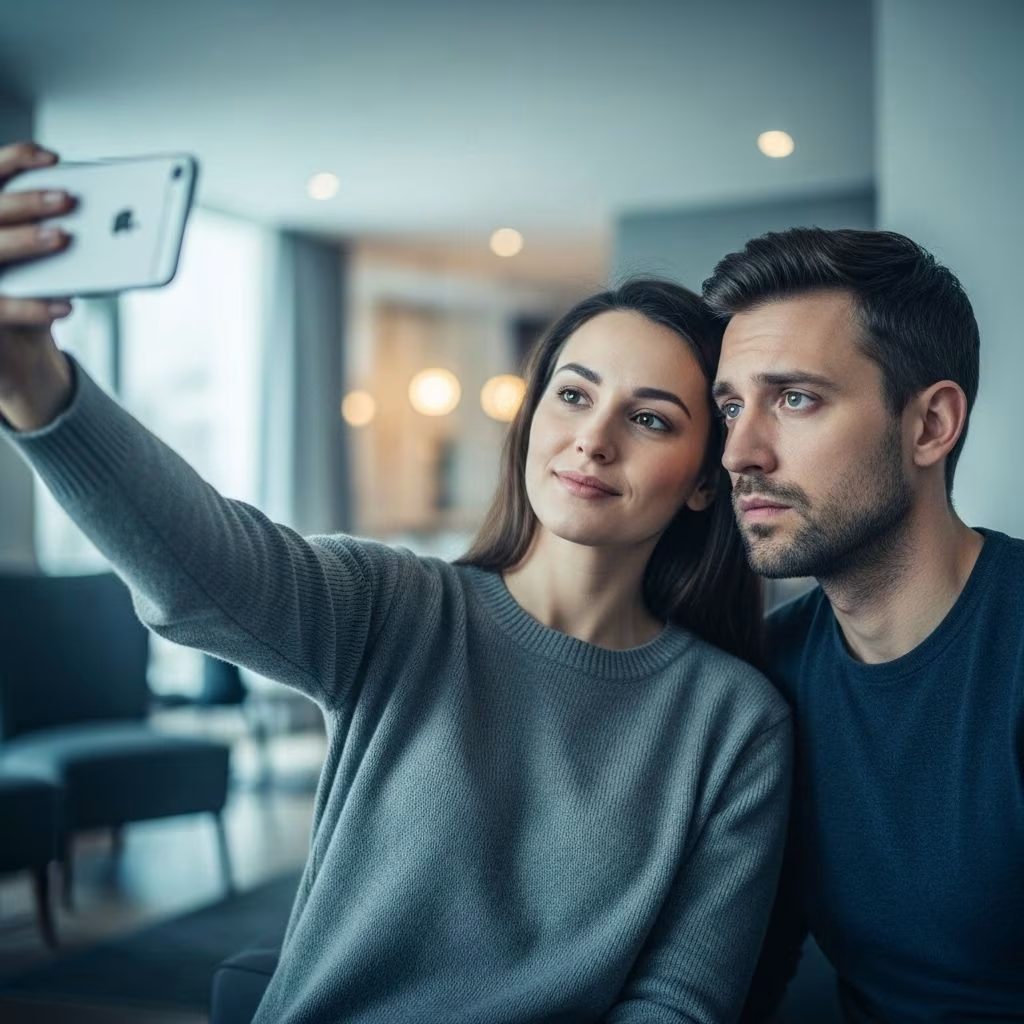
Are Selfies Sabotaging Your Relationship?
Social media has transformed how we connect, communicate, and present ourselves, with selfies at the center of this digital revolution. But beneath the filters and hashtags, could the simple act of sharing our own image online actually be undermining the strength of our closest relationships? This article delves deep into how compulsive selfie-sharing can breed mistrust, provoke jealousy, and create emotional distance between partners.
The Digital Reflection: Selfies in Modern Relationships
The rise of the selfie—a self-portrait shared on platforms like Instagram and Facebook—has made self-image management a daily priority for millions. More than ever, romantic partners now share intimate glimpses of themselves online, often to the delight (or envy) of their followers. Yet, research is beginning to reveal that our obsession with curated online personas may have a dark side when it comes to real-world intimacy and satisfaction.
How Selfies Can Erode Emotional Intimacy
While snapping occasional selfies is harmless fun, excessive sharing can chip away at the foundation of trust and closeness that relationships rely on.
- Diminished Intimacy: Studies indicate that couples who frequently post selfies and personal photos tend to experience lower levels of emotional intimacy. The constant documentation and broadcasting of private moments can create a sense of emotional distance, as the boundary between the public and private self dissolves.
“Increased frequency of sharing photographs of the self, regardless of the type of target sharing the photographs, is related to a decrease in intimacy,” concluded a joint study from the University of Birmingham, University of Edinburgh, and Heriot-Watt University. - Perceived Superficiality: When a partner is seen obsessively sharing selfies, it may be interpreted as self-absorption or the prioritization of image over genuine connection. This sense of superficiality can erode emotional bonds and breed resentment.
- Unequal Attention: The drive to capture the most flattering selfie—sometimes at the expense of shared moments—can make a partner feel undervalued or ignored in favor of online approval.
From Narcissism to Alienation: The Social Consequences of Over-Sharing
Psychologists have warned that the act of incessantly posting selfies may foster narcissistic tendencies—an excessive preoccupation with one’s own appearance or importance. According to research, this behavior doesn’t just repel acquaintances, it can also have unintended social consequences for close relationships.
- Alienating Friends and Family: Those who see an endless stream of selfies from a friend or loved one often report feeling less emotionally connected to them. This alienation is not limited to distant acquaintances but can affect all corners of one’s social network.
“People who constantly share photos of themselves generally tend to have more shallow personal relationships.” - Exceptions for Best Friends: Interestingly, the same research noted that ‘best friends’ might enjoy or support selfie-sharing to a degree, but even then, the strength of intimacy can wane over time.
Jealousy, Suspicion, and the Green-Eyed Monster
Selfies not only affect intimacy—they play a pivotal role in sparking jealousy and distrust within romantic relationships.
- Comparison Traps: Social media is rife with opportunities to compare yourself with others. If you or your partner frequently interacts with or follows attractive strangers (or exes), it may trigger insecurity and jealousy.
- Suspicion Over Intentions: Posting suggestive or flirtatious selfies, especially with captions or comments from admirers, can breed suspicion about one’s motives or loyalty. Was that gym selfie for you, for your partner, or for social validation?
- Blurred Boundaries: As the line between public and private lives grows fuzzy, trust can erode. Partners may wonder why certain images are shared or why others receive so much online attention.
When Sharing Becomes Compulsive: Signs of Trouble
How do you know if your selfie habits (or your partner’s) are hurting your relationship? Look for the following warning signs:
- You or your partner become defensive about posting or interacting with selfies online.
- There are frequent arguments about social media use, particularly about the types of photos posted and who can see them.
- More time is spent curating an online image than engaging in meaningful, offline connection.
- Trust issues arise around interactions with new followers or those who regularly ‘like’ selfie posts.
Behind the Lens: What Science Reveals
Multiple studies now link selfie obsession to declining relationship quality, diminished trust, and increased narcissism. Here are the most notable findings:
- Study Participants: In a study of over 500 Facebook users (average age 24), those who posted the most selfies felt less supported or connected to significant others, family members, and acquaintances than those who posted less.
- Emotional Support: A strong correlation was found between frequency of selfie-sharing and perceived deficits in emotional support.
- Narcissistic Traits: Other research suggests frequent selfie posters exhibit higher levels of narcissism and self-obsession. This can create friction in relationships requiring empathy, mutual understanding, and sacrifice.
Cultural Shifts and Relationship Norms
The “selfie culture” is introducing new rules and expectations. For example:
- A New Kind of Milestone: Where couples once celebrated anniversaries with a private dinner, many now feel compelled to commemorate every event—from vacations to mundane afternoons—with a post.
- Obligation to Share: Couples may feel pressure to keep pace with others online, risking authenticity and real happiness for the sake of appearances.
Relationship Selfies vs. Solo Selfies: Is There a Difference?
Are couple selfies as damaging as solo ones? Not necessarily. Research suggests that shared photos can boost a sense of togetherness—but only when both parties are comfortable with the level of sharing and the motivations behind it.
| Solo Selfies | Couple Selfies |
|---|---|
| Can signal self-focus, invite outside attention | May foster unity, mark shared moments |
| Often linked to jealousy and suspicion | Generally perceived as less threatening |
| Sometimes seen as seeking external validation | Can affirm the relationship if mutually agreed |
#DivorceSelfie: Using Social Media to Redefine Endings
The cultural impact of selfies isn’t all negative. Some couples are harnessing the selfie for new, positive narratives—such as the #DivorceSelfie. This trend encourages separating partners to present a united, amicable front even through breakup, emphasizing maturity and amicable co-parenting.
One viral story involved an Australian couple, recently divorced, smiling together outside the courtroom. Their selfie, captioned with a message about honoring their children’s needs and future co-parenting, resonated with thousands. This phenomenon shows selfies can also convey solidarity, healing, and progress, offering a counter-narrative to mistrust and discord.
Healthy Selfie Habits: Protecting Your Relationship
You don’t need to quit social media or stop sharing selfies entirely. Instead, try the following strategies to protect your relationship:
- Agree on Boundaries: Have an open discussion about what each partner feels comfortable sharing—both solo images and couple content.
- Prioritize Privacy: Save the most intimate or meaningful moments for yourselves, not your online audience.
- Share for the Right Reasons: Post selfies to celebrate shared happiness, not to seek validation or provoke jealousy.
- Be Present: Put the phone down during important conversations and activities, focusing on shared experience rather than digital documentation.
- Address Insecurity: If jealousy or suspicion arises, talk openly and honestly about the feelings driving these reactions before they undermine trust.
How to Tell if Selfies Are Hurting Your Relationship: A Quick Checklist
- Your partner often comments on or disputes the photos you share.
- Arguments center on online behavior or perceived online ‘flirting.’
- You feel less connected than before you started sharing regularly.
- You or your partner post for reactions or to attract external validation.
- Quality time together is frequently interrupted by the urge to capture moments for social media.
Expert Advice: What to Do If Selfies Are Spilling Into Conflict
If you notice rising tension over selfies or social sharing, consider seeking couple’s counseling focused on digital boundaries. Setting mutual standards early can prevent bigger issues later.
Frequently Asked Questions (FAQs)
Do all selfies create problems in relationships?
Not all selfie-sharing is harmful. Issues typically arise when posting becomes frequent, driven by external validation, or when it triggers insecurity for either partner.
Is it better to post selfies privately or publicly?
Sharing selfies directly with close friends or in private groups (for example, via messaging apps) limits exposure and potential for envy or misunderstanding, preserving intimacy.
How should couples address jealousy triggered by social media?
Address the root of the jealousy in a safe, honest conversation. Establish what behaviors are acceptable online and in-person, and focus on building trust and reassurance.
Do couple selfies strengthen relationships?
When both partners are comfortable, couple selfies can reinforce connection and togetherness. Problems arise if sharing is lopsided, forced, or used to project a false narrative.
Takeaway: Mindful Sharing Is Key
The digital age makes broadcasting our lives easier than ever, but real connection still happens away from the camera’s lens. Next time you reach for your phone to snap a selfie, ask yourself: Is this moment for us, or for the world?


