


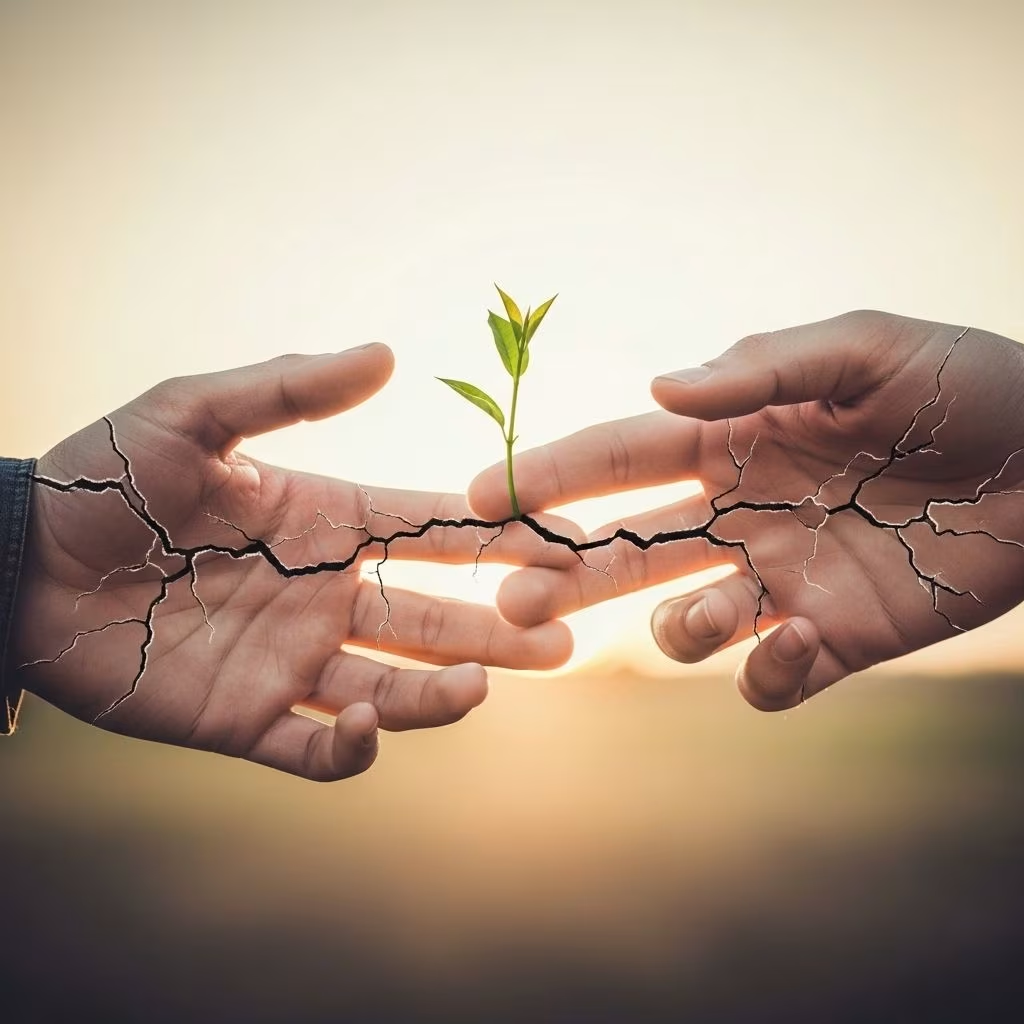
Can a Relationship Survive Cheating? Understanding Recovery After Infidelity
Infidelity is among the most challenging betrayals a couple can face. The revelation of cheating shakes the foundation of trust, leaving both partners navigating shock, heartbreak, and uncertainty. Yet, many wonder: Can a relationship truly survive after cheating? This in-depth article explores the realities of surviving infidelity, what it takes to rebuild, and what the research reveals about long-term outcomes.
What Are the Chances a Relationship Can Recover After Cheating?
When infidelity is exposed, the immediate aftermath often feels hopeless. However, research shows that many couples do attempt to repair the relationship—and some succeed. According to several studies:
- 57% to 75% of couples stay together after one partner cheats. Recovery rates tend to rise when couples seek professional help, such as therapy, and genuinely commit to the process .
- Around 47%-60% of couples still remain together after the affair. Yet, this does not guarantee a return to previous happiness .
- Marriage and having children both increase the likelihood a couple will stay together post-affair .
While the chance of reconciliation can be significant, the pathway to a genuinely fulfilling relationship after cheating is neither easy nor guaranteed. For some, it leads to a stronger bond, but for others, the relationship may end or continue under a cloud of lingering mistrust and pain.
Why Do Some Couples Try to Recover After Infidelity?
The reasons for choosing to repair a relationship after infidelity are complex and deeply personal:
- Love and Emotional Investment: Many couples still love each other deeply and want to preserve what they’ve built together.
- Children and Family: Having children often motivates couples to work through betrayal in hopes of maintaining family stability.
- Shared History: Years of shared memories, property, and commitments can make walking away an emotionally and practically daunting prospect.
- Fear of Uncertainty: Some stay together because the fear of being alone or starting over outweighs the pain of infidelity .
- Hope for Change: Belief that the affair was an anomaly and that both partners can grow or improve motivates repair efforts.
It is vital to note that staying together does not always signal full healing or renewed love—sometimes couples remain due to financial or logistical entanglements, fear, or obligations.
How Long Does Healing Take After Cheating?
Healing from infidelity is a demanding, multi-stage process. Research estimates it typically takes anywhere from 2-5 years for most couples to recover from an affair, with the journey often unfolding in distinct stages .
| Recovery Approach | Estimated Timeline | Success Rate |
|---|---|---|
| With Couples Therapy | 2-3 years | 57-75% |
| Without Professional Help | 3-5+ years | 20-47% |
Couples therapy accelerates healing and raises success odds considerably. Using methods like the Gottman approach or Emotionally Focused Therapy, professional support helps couples uncover causes, communicate feelings, and gradually rebuild trust .
The Stages of Recovery After Infidelity
Healing is nonlinear and can be messy, but most couples experience some version of the following stages:
- Shock and Raw Emotion: Immediate pain, disbelief, anger, and sadness saturate the relationship after the affair is revealed. This stage can last weeks or months.
- Seeking Understanding: The betrayed partner wrestles with “why did this happen?” and “could it happen again?”. Both partners revisit events and causes, exploring gaps in the relationship or individual vulnerabilities.
- Open Communication and Truth-Telling: Honest, often uncomfortable conversations take place, sometimes with a therapist guiding the process. Both partners must feel safe being vulnerable.
- Rebuilding Trust: Takes sustained effort—transparency (sharing phone, emails), consistent actions, and addressing triggers are vital. The unfaithful partner’s ongoing accountability and the betrayed partner’s gradual willingness to trust are essential.
- Emotional Healing: Forgiveness, letting go, and rebuilding true intimacy can emerge over 1–2 years, often with relapses and setbacks along the way.
- Long-Term Growth: With work, some couples report their relationship becomes stronger, more honest, and more emotionally connected. For others, wounds linger, and happiness may plateau at a new norm .
What Helps Couples Rebuild After Cheating?
Reconciliation is possible, but it is not automatic. Couples who recover do several things differently:
- Engage in Professional Therapy: Couples therapy (particularly the Gottman or EFT model) gives structure, impartial support, and tailored tools for healing.
- Transparent, Accountable Communication: Transparency (sharing information, schedules, passwords) helps rebuild trust over time.
- Emotional Vulnerability: Both partners must be willing to share—and hear—difficult truths about the relationship and themselves.
- Forgiveness (but not forgetting): Forgiveness, when earned over time, is linked to greater relationship satisfaction and stability.
- Insight into the Affair’s Causes: Understanding what triggered the cheating (emotional disconnect, personal crisis, partner’s absence) reduces risk of relapse.
- Active Commitment to Change: Successful couples make purposeful, steady changes to behaviors and relationship dynamics.
Statistics: What Percentage of Couples Truly Recover from Infidelity?
Accurately measuring long-term recovery after cheating is difficult. Different studies yield varying numbers depending on definitions of success, time frame, and whether couples received therapy. Some key findings:
- 57% of couples who openly confront infidelity and seek help remain together in the medium term .
- 60-75% of married couples survive infidelity if they engage in counseling or structured programs .
- Around 33% of couples report feeling fully healed at the end of therapy, while around 46% of cheaters and 36% of betrayed partners feel their relationship improved post-affair .
- Long-term (5+ years) fully satisfied relationships are rarer; persistent issues remain for a minority, and full happiness may elude some couples despite staying together .
- Divorce rates are much higher when affairs are kept secret (up to 80%) compared to when infidelity is revealed and addressed (around 43%) .
Is Forgiveness Necessary for Healing?
Forgiveness is a critical but individual component of recovery. Research links the capacity to eventually forgive the betrayal with improved relationship quality, resilience, and satisfaction . However, forgiveness:
- Takes substantial time and emotional labor. It is not instant nor guaranteed.
- Does not mean forgetting the affair or ignoring ongoing pain.
- Must not excuse repeated harmful behavior; patterns of infidelity erode trust irreparably for many couples.
- Is healthiest when it follows real remorse, accountability, and change.
Common Obstacles and Setbacks on the Road to Recovery
Surviving infidelity is fraught with hurdles. Even among couples who stay together:
- Trust may remain fragile or never fully return.
- Resentment, insecurity, or emotional pain can persist or resurface during times of stress.
- Intimacy and sexual connection might be slow to recover, or may never return to previous levels.
- Without real change, some couples relive the affair’s trauma repeatedly or develop toxic patterns.
Effective healing hinges on both partners’ active participation—it is not something the betrayed partner simply “gets over,” nor can the unfaithful partner “make up for it” with grand gestures alone.
Signs Your Relationship Might Not Survive Infidelity
Not all relationships recover. Some warning signs that a relationship may not survive post-affair include:
- Repeated or multiple affairs
- Lack of accountability or remorse from the unfaithful partner
- Refusal to participate in counseling or meaningful conversations
- Emotional abuse, manipulation, or stonewalling
- The betrayed partner feels unable or unwilling to forgive, even after time and effort
- Ongoing lack of intimacy, respect, or mutual trust
Frequently Asked Questions: Cheating and Relationship Recovery
Q: What percent of couples survive infidelity and stay together?
A: Research suggests about 57% to 75% of couples remain together after an affair if infidelity is acknowledged and both partners commit to working through it, especially with professional support. However, true happiness and satisfaction are only achieved by a portion of couples, and emotional challenges may persist .
Q: How long does it take to recover from cheating?
A: With couples therapy, recovery averages 2-3 years. Without professional help, healing can take up to 5 years or longer, with lingering effects in some cases. Factors impacting the timeline include the couple’s previous relationship quality, type of affair, partner commitment, and willingness to get help .
Q: Is couples therapy effective after cheating?
A: Couples therapy works for many, with success rates between 57% and 75%. Structured approaches like the Gottman Method or Emotionally Focused Therapy guide couples through rebuilding trust, processing pain, and developing better communication habits .
Q: What should you expect during recovery after infidelity?
A: Expect a rollercoaster of intense emotions, periods of doubt, difficult conversations, and the necessity of sustained effort from both partners. Healing begins with honesty, is strengthened by empathy, and takes shape as new patterns of openness and respect are built over time.
Q: Do most relationships improve after infidelity?
A: Some couples report their relationship is better and stronger after experiencing and working through infidelity (33%-46% cite lasting improvement), but for many others, trust and satisfaction are hard to fully restore. Ongoing effort is essential, and outcomes vary considerably .
Takeaway: Can Your Relationship Survive Cheating?
Cheating doesn’t always spell the end. While the road to recovery is long and demands the investment of both partners, many couples do repair and even improve their relationships after an affair. Lasting success hinges on honesty, professional support, emotional openness, and the willingness to learn and grow—both together and individually. Ultimately, every situation is unique, and the best outcomes come when couples address not just the affair, but the underlying issues that led to it.
References
- https://herecounseling.com/how-long-does-healing-from-infidelity-really-take/
- https://www.affairhealing.com/blog/marriage-infidelity-stats
- https://couplesacademy.org/what-percentage-of-marriages-survive-infidelity/
- https://www.choosingtherapy.com/how-many-couples-survive-infidelity/
- https://www.hli.org/resources/percentage-of-relationships-that-work-after-cheating/
- https://www.marriage.com/advice/infidelity/how-long-does-a-marriage-last-after-infidelity/


