


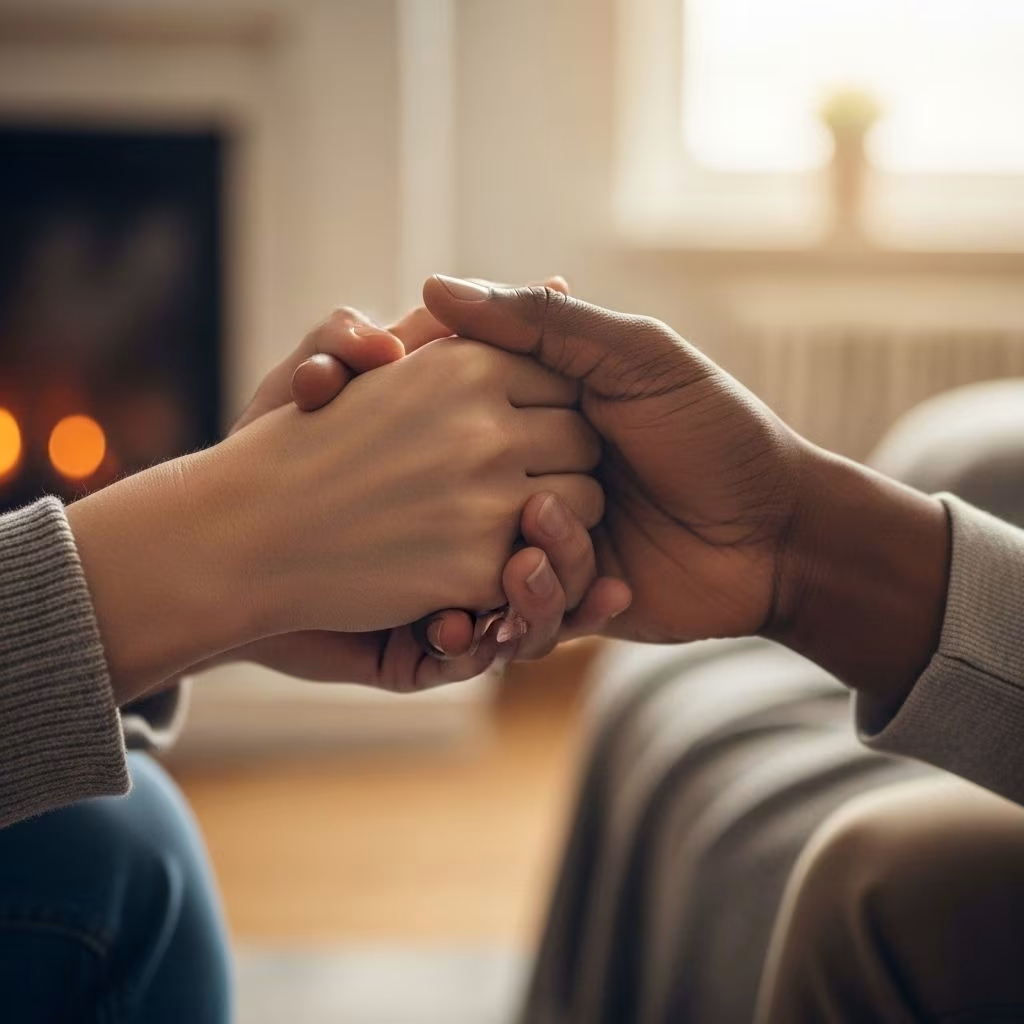
Conflict Resolution in Relationships: Proven Strategies for Lasting Harmony
Conflicts are an almost inevitable aspect of any close relationship. Rather than being signs of dysfunction, disagreements and discord, when handled constructively, can open pathways for growth, understanding, and deeper intimacy. This guide explores actionable conflict resolution strategies, the science behind their effectiveness, and provides practical steps you can use to foster more harmonious partnerships.
Why Conflict Is Normal in Relationships
Every relationship faces tension at some point. Differences in upbringing, personality, values, and emotional needs guarantee occasional clashes. Healthy conflict resolution isn’t about eliminating disagreements entirely; it’s about navigating them in ways that strengthen bonds rather than tear them apart. Research highlights that couples who effectively resolve conflicts report higher levels of satisfaction and well-being compared to those who avoid or escalate disagreements.
Signs That Conflict Resolution Skills Need Improvement
- Arguments regularly lead to shouting, insults, or stonewalling.
- Disputes escalate rather than resolve.
- Old grievances resurface during new disagreements.
- Partners feel misunderstood, unheard, or undervalued.
- One or both avoid discussing sensitive topics to prevent conflict.
If any of these patterns sound familiar, it may be time to adopt evidence-based conflict resolution methods.
Understanding Healthy vs. Unhealthy Conflict Patterns
| Healthy Conflict Patterns | Unhealthy Conflict Patterns |
|---|---|
| Active listening and empathy | Name-calling, blaming, contempt |
| Staying on one topic at a time | Jumping between unrelated issues |
| Seeking compromise or solutions | Escalating or withdrawing from the discussion |
| Taking responsibility for own actions | Stonewalling, shutting down communication |
| Maintaining respect and boundaries | Using disrespectful or aggressive language |
Top Strategies for Conflict Resolution in Relationships
Experts and research point to several core strategies that can de-escalate conflict and build trust.
1. Practice Active Listening
- Give your full attention without preparing your response.
- Reflect back what your partner says to confirm understanding.
- Avoid interrupting—try the “two-minute rule.”
Active listening is the foundation of effective conflict resolution. It demonstrates care, reduces defensiveness, and ensures both sides feel heard.
2. Communicate Clearly and Calmly
- Discuss one issue at a time—avoid piling on grievances.
- Use “I” statements to express feelings (e.g., “I feel hurt when…”).
- Describe behaviors, not character flaws.
Direct, non-blaming communication fosters trust and reduces misunderstandings.
3. Embrace Acceptance
- Acknowledge that you can’t change your partner’s core beliefs or personality.
- Focus on understanding and respecting their viewpoint, even when you disagree.
- Express how differences impact you, seeking middle ground rather than victory.
Acceptance cultivates respect and openness, transforming conflict from a contest into a collaboration.
4. Avoid “Text Fighting”
- Reserve complex or emotional conversations for in-person discussion.
- Text lacks tone and body language, increasing risk of misinterpretation.
Discussing serious matters face-to-face improves clarity and connection.
5. Take a Break When Needed
- When tempers flare, agree to pause the discussion.
- Breaks should last at least 20 minutes but not more than 24 hours.
- Use the time for relaxation, not strategizing counterarguments.
Taking timeouts helps prevent escalation and allows time for reflection.
6. Stay Curious: Ask Open-Ended Questions
- Seek to genuinely understand your partner’s experience.
- Ask open-ended questions: “Can you tell me more about how you felt?”
- Make questions a regular part of your conflict discussions.
Curiosity leads to empathy, revealing motivations and helping both partners feel valued.
7. Set Ground Rules for Disagreements
- Decide together on clear boundaries—no name-calling, personal attacks, or unwanted interruptions.
- Agree to revisit unresolved issues within an agreed timeframe.
Ground rules promote safety and predictability, making it easier to resolve future conflicts.
8. Compromise and Collaborate
- Be willing to meet halfway on issues where possible.
- Collaboration seeks win-win solutions that honor each partner’s core needs.
- Compromise involves giving up some desires for the greater good of the relationship.
Compromise is effective when stakes are moderate, while collaboration is best for more important, emotionally loaded topics.
9. Take Responsibility for Your Part
- Acknowledge your own mistakes, even small ones.
- Owning your role can inspire your partner to do the same.
Mutual accountability breaks down defensiveness and promotes goodwill.
10. Repair and Reconnect After a Conflict
- Validate your partner’s emotions and experience.
- Sincerely apologize for any hurtful words or actions.
- Offer comfort—a gentle touch, shared humor, or a positive gesture.
- Ask what your partner needs to feel better and rebuild trust.
Repair fosters emotional safety and signals commitment to the relationship’s health.
The Role of Mindfulness in Conflict Resolution
Mindfulness—the practice of maintaining awareness of the present moment—significantly enhances conflict resolution. Studies show that partners who approach disagreements with mindful attention are more likely to use constructive strategies such as dialogue and loyalty, and less likely to escalate or withdraw.
- Nonreactivity allows time to process emotions, rather than reacting impulsively.
- Describing and expressing emotions clearly leads to greater understanding and compatibility.
- Focusing on the present prevents grudges tied to past conflicts.
Common Destructive Conflict Patterns to Avoid
- Escalation: Arguments spiral out of control, triggering anger and defensiveness.
- Withdrawal: One or both partners shut down, refuse to engage, or avoid the issue entirely.
- Contempt: Disrespectful gestures, sarcasm, eye-rolling, or belittling comments.
- Defensiveness: Refusing to take responsibility, making excuses, or blaming the other.
Destructive patterns erode relational quality and satisfaction over time.
Tips for Preventing Conflict Escalation
- Recognize your own emotional triggers and stress signals.
- Agree on a “pause word” or signal if the discussion gets too heated.
- Reaffirm shared commitment and goals before discussing difficult subjects.
- Respect individual differences in communication and conflict styles.
FAQs on Conflict Resolution in Relationships
Q: Is conflict always bad for a relationship?
A: No. Managed constructively, conflict strengthens communication, deepens intimacy, and supports personal growth.
Q: How do I know if our conflict style is unhealthy?
A: Regular escalation, avoidance, personal attacks, or repeated reopening of old wounds often indicate an unhealthy conflict style. Healthy conflict maintains respect, clarity, and allows for repair.
Q: What if my partner refuses to talk about problems?
A: Suggest structured discussions, set ground rules, or seek support from a couples counselor. Building trust and safety may be necessary before open dialogue is possible.
Q: Can mindfulness really help resolve arguments?
A: Yes. Mindfulness increases self-awareness, emotional regulation, and empathy, improving the quality of conflict resolution strategies and relationship satisfaction.
Q: How can we establish ground rules for conflict?
A: Identify recurring issues and triggers together, agree on respectful boundaries, and write down agreed rules for handling disagreements calmly and constructively.
Quick Conflict Resolution Checklist
- Pause and breathe before reacting.
- Listen actively; reflect what you hear.
- Speak with clarity and kindness; avoid blaming language.
- Ask open-ended questions to understand your partner.
- Take breaks if needed to cool down.
- Own your part of the issue; avoid defensiveness.
- Seek mutually agreeable solutions through compromise or collaboration.
- Repair and reconnect after the conflict is over.
When to Seek Professional Help
If you and your partner consistently struggle to resolve conflicts, if arguments routinely escalate into hostility or withdrawal, or if long-standing resentments impede communication, consider seeking support from a licensed relationship counselor. Therapists can provide guidance, new tools, and a safe space to work through challenging dynamics.
Resources for Further Reading
- Books on couples communication and emotional intelligence.
- Online support groups for relationship skills.
- Articles and guides on mindfulness practices in relationships.
- Conflict resolution worksheets for couples.
Improving your conflict resolution skills isn’t a quick fix but an ongoing process. Whether you’re dealing with minor disagreements or navigating more complex issues, these strategies can help you build a resilient, supportive, and loving relationship.
References
- https://ifstudies.org/blog/resolving-conflict-new-study-shows-what-long-term-couples-can-teach-us
- https://pmc.ncbi.nlm.nih.gov/articles/PMC10653557/
- https://www.lyrahealth.com/blog/conflict-in-relationships/
- https://online.hbs.edu/blog/post/strategies-for-conflict-resolution-in-the-workplace
- https://positivepsychology.com/conflict-resolution-relationships/
- https://www.therapistaid.com/worksheets/relationship-conflict-resolution
- https://www.helpguide.org/relationships/communication/conflict-resolution-skills


