


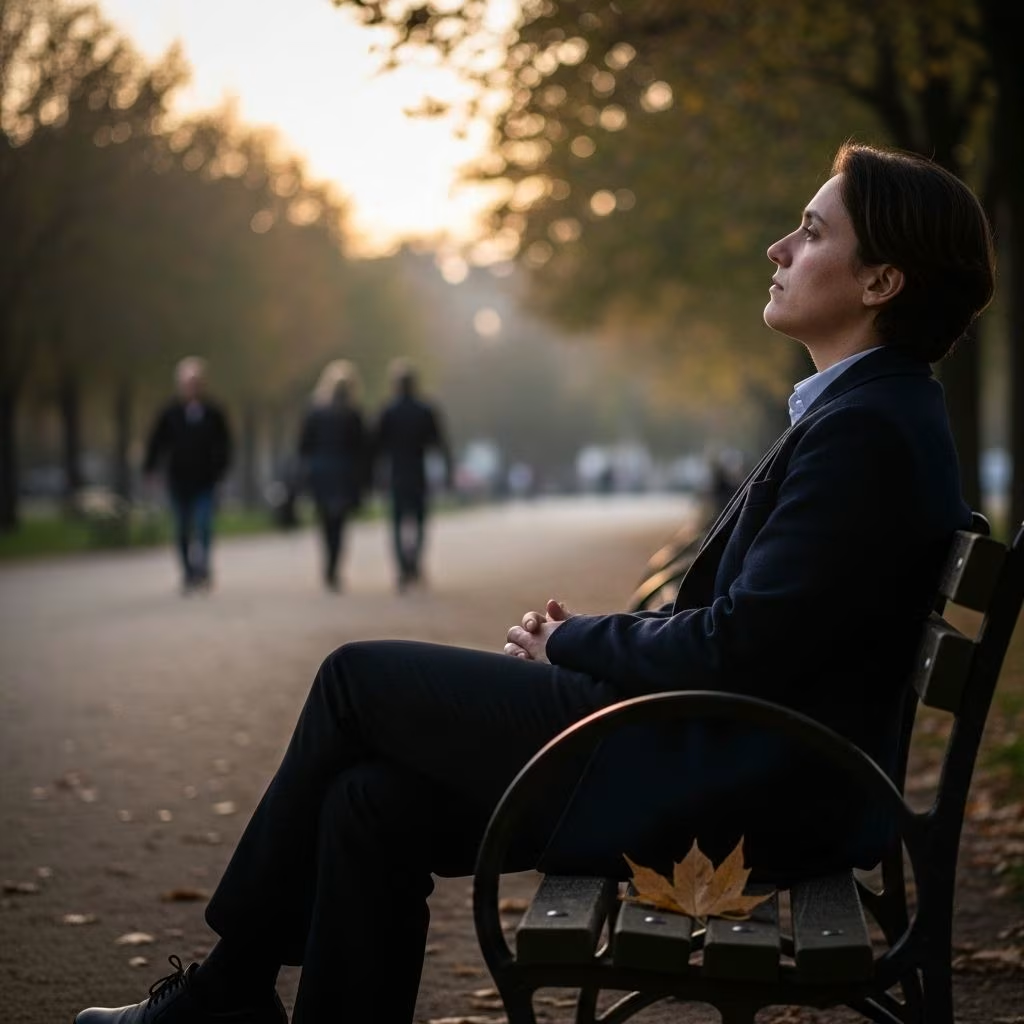
Does Always Being Single Make You Bad at Relationships?
Long-term singlehood can provoke anxiety about future relationships and personal well-being, leading many to wonder whether repeatedly flying solo actually impairs the ability to form healthy partnerships. Social media, pop culture, and everyday conversations often depict perennial singles as less skilled at relationships—but is there truth behind the stereotype?
Why Is This Question So Common?
The anxiety around singlehood stems as much from societal narratives as from personal experience. Being single for a long time can make people question their attractiveness, capability for intimacy, or overall relationship potential. This article explores psychological effects, expert opinions, and practical advice for singles questioning their relational aptitude.
The Psychological Effects of Long-Term Singlehood
Long-term singlehood is a nuanced experience that impacts individuals differently. Psychologists distinguish between voluntary and involuntary singlehood, each leading to distinct emotional outcomes:
- Voluntary singlehood: Chosen as a path for personal growth, career advancement, or preference for independence, it often correlates with lower psychological distress and greater self-fulfillment.
- Involuntary singlehood: Characterized by a desire for partnership but repeated difficulty finding or maintaining romantic connections. This state may trigger loneliness, anxiety, and even depression, especially as social milestones (like marriage or parenthood) remain unmet.
| Singlehood Type | Main Features | Possible Effects |
|---|---|---|
| Voluntary | Intentional, self-chosen, focused on growth | Empowerment, lower distress, enhanced self-knowledge |
| Involuntary | Unwanted, persistent disappointments in dating | Loneliness, social anxiety, emotional distress |
Key psychological effects for involuntarily single individuals may include:
- Feeling ‘not enough’ compared to partnered peers
- Social isolation and a lack of belonging
- Romantic loneliness—a sense of being left out of intimacy
- Heightened self-doubt about relationship abilities
Does Being Single Mean You’re Bad at Relationships?
Experts challenge the idea that singlehood is equivalent to poor relational skills. According to psychologist Dr. Bella DePaulo, single people are often stereotyped as isolated or self-centered, but these labels don’t always hold up under scientific scrutiny.
Long-term singles may develop strong emotional intelligence, boundaries, and self-care routines. Involuntary singlehood, however, can sometimes lead to self-sabotage, fear of vulnerability, or overthinking relationship expectations.
Expert Insights on Relationship Skill Development
- Self-reflection: Prolonged singlehood often leads to deep introspection and personal development, crucial for healthy relationships.
- Boundaries: Singles tend to develop clear boundaries, which can be both a strength and initial challenge in new relationships.
- Communicating needs: Adjusting from years of independence to partnership can feel awkward—some singles struggle with expressing or compromising their needs.
Social Stigma and Myths About Being Single
Media and culture frequently stigmatize long-term singles, portraying them as unhappy or incapable of love. These stereotypes can provoke internalized shame and anxiety about dating.
- Singles are pitied or judged for not meeting social milestones.
- Assumptions about their well-being, happiness, or “readiness” for relationships may be misguided.
- Pressure to couple up can lead to comparing oneself negatively with friends and family who are partnered.
Dr. DePaulo asserts that happiness isn’t contingent upon relationship status; instead, fulfillment comes from pursuing personal meaning, purpose, and strong social connections, regardless of romantic involvement.
Challenges of Transitioning from Singlehood to Relationships
Many people fear that their long-term independence has made them “bad at relationships.” However, relationship experts argue that these worries are usually unfounded or surmountable.
- Difficulty showing emotional availability: Years of self-reliance can make opening up to a partner feel risky.
- Overthinking: Long-term singles may magnify potential issues and worry about compatibility more than necessary.
- Partner skepticism: New partners may wonder about your readiness or commitment if you’ve been single a long time, much like Letizia’s experience described by VICE.
- Anxiety about change: Adjusting routines or habits to accommodate someone else can trigger feelings of vulnerability or loss of autonomy.
Despite these hurdles, experts emphasize that individuals often adapt surprisingly well to relationships once they find a compatible partner. The key is active communication, patience, and self-compassion.
Benefits of Prolonged Singlehood for Relationships
- Deep self-knowledge helps clarify what you want and need in partnership.
- Mature independence allows for healthy boundaries and autonomy, deterring codependency.
- Resilience from overcoming the challenges of singlehood can strengthen relationship problem-solving skills.
Common Myths vs. Reality
| Myth | Reality |
|---|---|
| Long-term singles are incapable of intimacy | Many have strong friendships and are deeply empathetic |
| Prolonged singlehood “ruins” relationship skills | Skills can be learned and refined at any age or stage |
| Everyone wants to be partnered | Many choose singlehood for fulfillment and freedom |
| Singles are less happy or healthy | Happiness and well-being are unrelated to relationship status |
Expert Advice for Singles Worried About Relationship Skills
If you’re concerned that a long stretch of singlehood has made you “bad at relationships,” experts recommend the following steps:
- Challenge internalized stereotypes: Recognize that cultural assumptions often exaggerate the challenges of being single.
- Focus on self-growth: Use singlehood for personal development, emotional literacy, and pursuing hobbies or friendships.
- Practice vulnerability: Take small risks in emotional sharing, even with friends, to exercise connection muscles.
- Set boundaries: Learn to clarify your needs and communicate them assertively in all relationships.
- Seek support if needed: Professional counseling can help address anxiety, depression, or past trauma tied to singlehood.
How Singles Can Prepare for Relationships
Transitioning into a new romance after a long single period can be daunting. However, practical preparation can ease anxiety and increase relationship satisfaction:
- Reflect on past patterns: Notice any recurring fears, triggers, or avoidant behaviors, and work to reframe them.
- Stay curious: Treat each new connection as a chance to learn—not a test you might “fail.”
- Emphasize communication: Listening and openness are vital for smoothing the adjustment from independence to partnership.
- Respect your autonomy: A healthy relationship doesn’t require giving up what you enjoy about single life.
Singlehood and Mental Health
Research shows involuntary singlehood may lead to symptoms of distress such as loneliness, anxiety, and depression; however, these associations are generally weak to moderate and highly individual. It’s important to distinguish between situational unhappiness and chronic emotional health issues. Prolonged unwanted solitary status, especially if accompanied by social isolation, should prompt you to seek help through therapy or support networks.
Positive Approaches to Being Single
- Embrace independence as an opportunity for growth.
- Connect socially through friendships, hobbies, and community engagement.
- Celebrate achievements outside of romantic contexts.
Frequently Asked Questions (FAQs)
Q: Does singlehood really make you worse at relationships?
A: No. While prolonged singlehood may trigger self-doubt or anxiety about your abilities, most people adjust well with the right partner and healthy communication. Relationship skills, like empathy and compromise, can be developed at any life stage.
Q: Is it normal to feel anxious about dating after being single for years?
A: Yes. Adjusting routines, opening up emotionally, and communicating needs all require practice. Most people experience nerves but adapt quickly once in a supportive relationship.
Q: Can being single for too long hurt your mental health?
A: Involuntary singlehood, especially if unwanted, can lead to loneliness, anxiety, or depression. Seeking support, building friendships, and prioritizing self-care can mitigate these risks.
Q: Are single people always less happy than couples?
A: No. Studies show that happiness and fulfillment are not dependent on relationship status, and singles who choose their lifestyle may report high well-being.
Q: What’s the best way to prepare for a relationship after long-term singlehood?
A: Focus on personal growth, practice vulnerability in everyday interactions, and set clear boundaries. Remember that relationship skills can be learned, not inherent.
Final Takeaways: Your Relationship Potential Isn’t Static
Prolonged singlehood does not doom you to failed relationships; instead, it can be a powerful period for self-discovery and skill-building. By rejecting damaging myths, focusing on communication and self-awareness, and welcoming the messy process of opening up to new partners, singles can thrive in relationships whenever they’re ready. Ultimately, your capacity for love, intimacy, and connection is shaped far more by your mindset and choices than by your relationship history.
References
- https://therapy-central.com/2024/03/17/how-to-cope-with-being-single-mental-health/
- https://www.vice.com/en/article/adjusting-to-a-relationship-after-being-single-forever/
- https://pmc.ncbi.nlm.nih.gov/articles/PMC5696487/
- https://www.apa.org/news/podcasts/speaking-of-psychology/single-life
- https://www.marriage.com/advice/relationship/signs-you-might-be-single-forever/


