


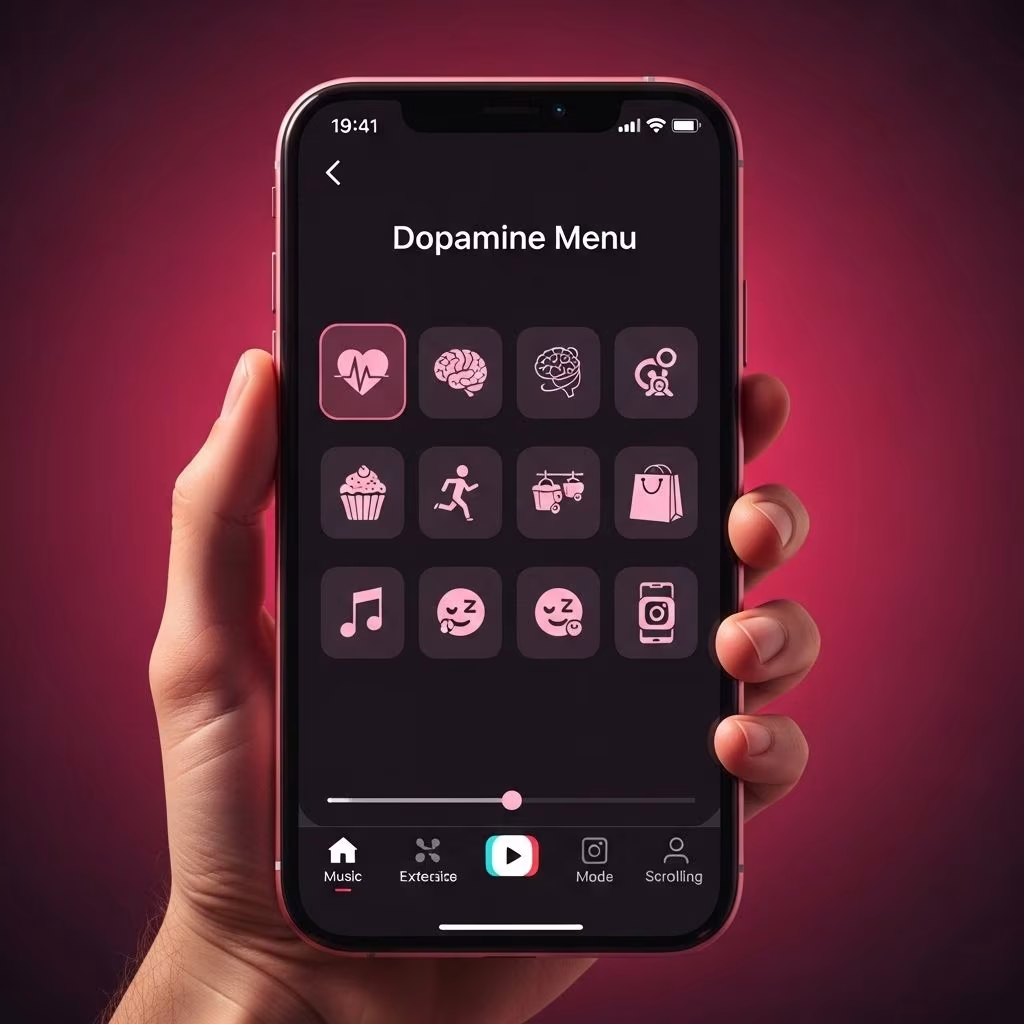
The Dopamine Menu: TikTok’s Heartbreak Remedy
In moments of heartbreak, many reach for familiar comforts—ice cream, endless scrolling, or distracting conversations. Recently, TikTok has popularized a science-inspired healing method known as the dopamine menu. This simple approach combines psychology, neuroscience, and social media trends to help people reframe their pain and actively choose joy after relationship loss.
What Is a Dopamine Menu?
A dopamine menu is a curated list of activities designed to boost your mood by stimulating the brain’s reward system. Drawing from the latest neuroscience, it acknowledges that heartbreak can crash your dopamine levels, leaving you feeling fatigued, withdrawn, or even physically unwell . By intentionally engaging in pleasurable, healthy practices, you give your brain the opportunity to rebuild those ‘feel-good’ pathways—step by step.
- Personalized activities: Each menu is unique, with options tailored to your interests, energy level, and emotional stage.
- Accessible and actionable: Menus include everything from quick wins (stretching, showering) to immersive pleasures (a favorite meal, painting, dancing).
- Science-backed: Replaces passive doomscrolling or emotional withdrawal with intentional, rewarding efforts, gently easing physical and mental symptoms of heartbreak.
The Science of Heartbreak: Why Dopamine Drops Matter
Heartbreak isn’t just emotional—it’s biological. When a relationship ends, your brain faces a sharp drop in dopamine, the neurotransmitter that fuels motivation, pleasure, and reward . The symptoms can mirror withdrawal: fatigue, low mood, insomnia, anxiety, and even physical pain.
- Dopamine Crash: Relationship loss sends dopamine levels plummeting, causing symptoms similar to withdrawal.
- Emotional Fatigue: Many people report feeling foggy, unmotivated, or physically exhausted in the days following a breakup.
- Rebuilding Joy: The dopamine menu offers practical steps to counteract these effects, retraining your brain towards healthy pleasure rather than avoidance or addiction.
As heartbreak science gains traction on social media and in research, it’s clear that recovery isn’t simply a matter of ‘moving on’—it’s a process of physiological and psychological healing, best approached with evidence-based tools.
TikTok’s Dopamine Menus: Viral Healing or Just a Trend?
TikTok has become the primary platform for sharing—and sometimes oversimplifying—the science behind heartbreak and recovery . Users document their healing journeys, swap dopamine menu ideas, and offer support to millions of viewers. But does it work?
- Community Support: TikTokers find solidarity by sharing struggles and tips, reframing heartbreak as a universal experience.
- Creative Menus: Dopamine menus often feature playful, highly personal suggestions—from watching sunset videos to baking elaborate desserts.
- Algorithm Influence: TikTok’s algorithm sometimes traps users in a cycle of breakup and romance content, making intentional dopamine practices even more vital.
- Potential Downsides: Quick fixes exist, but real healing requires a sustained, multidimensional approach—menudriven and beyond.
In other words: dopamine menus offer a tool, not a cure. Their efficacy comes down to individual commitment, personalization, and consistent use—not just a fleeting viral challenge.
Heartbreak and The TikTok Algorithm: Navigating Emotional Triggers
Following a breakup, TikTok’s algorithm may continue to serve emotionally charged content—relationship memes, breakup advice, nostalgic videos—long after the pain is fresh . For some, this relentless reminder can amplify sadness, making healing harder. For others, it creates opportunities for conversation and connection.
- Algorithmic Triggers: TikTok often shows content it believes you’ll engage with, including painful memories or memes connected to your breakup.
- Emotional Catharsis: For some, these reminders provoke reflection and acceptance; for others, repeated exposure deepens the sense of loss.
- Resetting the Feed: If needed, users can retrain TikTok’s algorithm by marking breakup content as ‘not interested,’ scrolling past quickly, or refreshing the feed.
Ultimately, control over your digital healing journey can be reclaimed—sometimes by taking practical steps to limit painful content and refocus your feed on joy, creativity, and positivity.
Building Your Dopamine Menu: A Step-By-Step Guide
Ready to turn heartbreak into healing? Here’s how to craft your own dopamine menu, inspired by neuroscience and the TikTok trend:
- Start Small: Begin with actions that require minimal effort yet offer gentle pleasure.
- Personalize: List activities tailored to your interests, values, and mood.
- Mix It Up: Combine solo practices (reading, walking) with social pleasures (virtual catch-ups, sharing memes).
- Track Your Wins: Note what elevates your mood—you might be surprised by what works!
- Iterate: Adjust your menu as you move through grief and growth; recovery is a dynamic process.
Sample Dopamine Menu Table
| Energy Level | Quick Wins | Immersive Joy |
|---|---|---|
| Low | Stretch, Shower, Sip tea | Watch favorite show, Listen to comforting playlist |
| Medium | Cook a simple meal, Draw or doodle | Call a friend, Spend time in nature |
| High | Dance, Try a new recipe | Paint, Explore a new place |
Why Dopamine Menus Really Work
What sets dopamine menus apart from standard self-care lists is their grounding in neuroscience. They help you to:
- Replace Avoidance with Intent: Actively choosing joy counteracts the passivity of scrolling or sulking.
- Retrain Reward Pathways: Frequent practice gradually restores healthy dopamine balance, reducing withdrawal symptoms.
- Empower Yourself: Instead of waiting for happiness to return, you build it—moment by moment.
Nostalgia, Memory, and the Painful Pleasure of Heartbreak
While erasing memories may seem appealing, research—and countless personal stories—reveal that painful memories play a crucial role in growth and resilience . The TikTok heartbreak meme phenomenon itself is a testament: shared bitterness is cathartic, and the memory of being loved—even imperfectly—deepens our humanity.
- Embrace Painful Memories: Let yourself reminisce, grieve, and cherish rather than suppress old feelings entirely.
- Create New Associations: Use your dopamine menu to anchor new, positive experiences to old neural pathways.
- Find Meaning: Art, literature, and memes born from heartbreak teach us that pain is both transformative and inherently communal.
Expert Tips: Maximizing Your Menu and Healing
Experts and TikTok creators alike offer advice for those wanting to make the most of this neuroscience-informed trend:
- Combine Practices: Mix active (walking, yoga) and restful (meditating, journaling) pursuits for holistic recovery.
- Avoid Obsessive Scrolling: Limit passive consumption—use social media intentionally.
- Celebrate Progress: Acknowledge even the smallest improvements; healing is nonlinear.
- Seek Connection: Support from friends, family, or online communities can be as restorative as solo self-care.
Frequently Asked Questions (FAQs)
Q: What are dopamine menus and how do they help heartbreak?
A: Dopamine menus are lists of pleasurable activities that help restore the brain’s dopamine levels after heartbreak, reducing withdrawal symptoms and promoting emotional healing.
Q: Can TikTok really make heartbreak worse?
A: TikTok’s algorithm can amplify sadness by repeatedly displaying breakup-related content, but users can retrain their feeds by marking content as ‘not interested’ or refreshing their algorithm.
Q: How do I make my own dopamine menu?
A: List enjoyable activities based on your mood and energy, mix solo and social actions, and adjust the choices as your recovery continues.
Q: Is it okay to feel nostalgic about my relationship after heartbreak?
A: Absolutely. Nostalgia and bittersweet memories are a natural part of healing; embracing them can help catalyze growth and creativity.
Q: How long does it take for dopamine levels to recover?
A: Recovery varies for everyone. Consistent engagement in pleasurable, self-care activities typically accelerates restoration, but patience and ongoing effort are key.
Conclusion: The Future of Heartbreak Healing
The rise of dopamine menus on TikTok underscores a cultural shift—where evidence-based wellness meets social media support. While heartbreak remains uniquely painful, the blending of neuroscience, communal sharing, and personal agency offers a hopeful, actionable path toward renewal. Whether you’re easing heartbreak or simply seeking more joy, the dopamine menu reminds us: happiness can be rebuilt, one small step at a time.


