


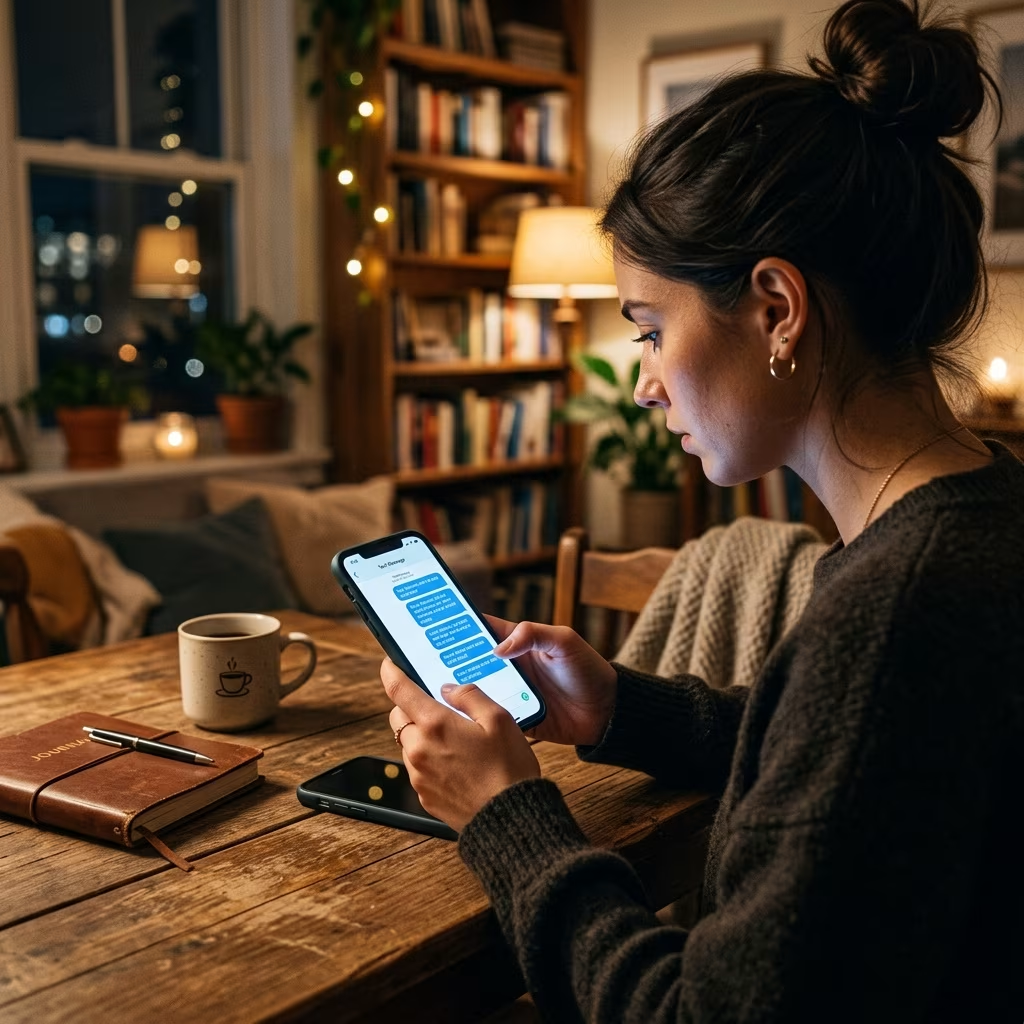
Double Texting: What It Means in the Age of Digital Relationships
Double texting—sending a second message to someone before they have replied to your first one—has become a hallmark issue in modern digital communication, especially in the context of dating and relationships. As messaging replaces phone calls for millennials, Gen Z, and younger generations, understanding the etiquette and psychology of double texting helps you navigate romantic and even platonic interactions with confidence.
What Is Double Texting?
Double texting occurs when you send a follow-up message before receiving a reply to your previous one. This seemingly harmless act can trigger strong reactions, especially early in romantic relationships, potentially making you appear eager, anxious, or even clingy.
In today’s fast-paced communication culture, where blue ticks and read receipts create expectations of promptness, double texting has taken on new significance. While it can signal enthusiasm, some interpret it as impatience or desperation.
Common Reasons People Double Text
The motivations behind double texting are varied and often depend on the relationship’s stage and the individual’s personality. Some common reasons include:
- Anxiety or Overthinking: Worrying that the message was overlooked or ignored.
- Excitement: Wanting to continue or shift the conversation with a new question or joke.
- Clarification: Realizing the original message was unclear or incomplete.
- Seeking Reassurance: Needing validation of the recipient’s interest or affection.
- Sharing Important Information: Remembering something urgent or relevant that must be conveyed before a response arrives.
- Habit: For some, frequent messaging is just their normal communication rhythm.
It’s important to remember that sending more than one text is not always a sign of desperation; context and intent matter greatly.
The Pros and Cons of Double Texting
| Pros | Cons |
|---|---|
|
|
Is Double Texting Bad? Understanding the Context
The answer depends on timing, relationship stage, and the personalities involved. Occasional double texting between close friends or established couples is generally harmless, while repeated double texting during the early stages of dating can be perceived negatively if not handled thoughtfully.
Double texting crosses a line when:
- It happens before giving someone adequate time to respond (e.g., within minutes or hours rather than a full day).
- It becomes a pattern, especially after explicitly being asked to wait or slow down.
- It’s used to control, guilt, or pressure someone into responding.
- It’s used to hide underlying insecurities or fear of abandonment.
On the other hand, it can enhance communication when it is respectful, timely, and suited to the other person’s communication style.
Double Texting in Different Relationship Stages
Early Dating & New Relationships
In the initial phase of dating, impressions are fragile. Double texting too soon or too often can be interpreted as overzealous or insecure behavior. Giving the other person space and respecting response times signals confidence and maturity.
Established Relationships
Once trust and rhythm are established, couples naturally develop their own texting patterns. Double texting becomes less of a taboo, especially when urgent matters or inside jokes are exchanged.
Platonic and Professional Relationships
Double texting is less likely to cause issues in non-romantic contexts, provided it’s not excessive. Nevertheless, respecting others’ time remains important.
Essential Double Texting Etiquette
- Wait at Least 24 Hours: Unless it’s urgent, give the recipient a full day to reply before following up.
- Avoid Escalating: Don’t send additional messages if your double text goes unanswered.
- Be Polite: Use gentle reminders, such as “Just checking in,” rather than demanding responses.
- Know When to Let Go: If repeated messages aren’t answered, accept the message is not being reciprocated.
- Don’t Double Text in Anger: Avoid sending impulsive texts in a moment of frustration or disappointment.
- Context Matters: Emergencies, clarifications, or time-sensitive topics may warrant a second message.
How to Stop Double Texting
If you’ve noticed a habit of double texting and want to break it, consider the following steps:
- Distract Yourself: Put your phone away after sending a message. Focus on work, exercise, or hobbies to avoid the urge to follow up prematurely.
- Set Clear Boundaries: Establish a rule for yourself: no follow-up for a specific period, such as 24 hours.
- Reflect on Motivation: Are you seeking validation or trying to control a response? Understand your triggers.
- Talk to Friends: Message a friend or write your second text in notes instead. This can help vent feelings without risk.
- Recognize Patterns: Pay attention to your double texting triggers and develop strategies for those situations.
Tips for Double Texting Gracefully
- Make Your Messages Substantive: If you must double text, add value—share something relevant, funny, or important, rather than simply repeating or demanding an answer.
- Respect Individual Preferences: Some people are naturally slow responders or dislike excessive messaging; adapt your approach accordingly.
- Keep It Light: Use humor or casual tone, and don’t apologize excessively for following up.
- Mirror Their Communication Style: Pay attention to the other person’s texting frequency and mirror it for balance.
- Prioritize Quality Over Quantity: Focus on meaningful conversations, not message volume.
Frequently Asked Questions (FAQs)
Q: Is double texting always bad in dating?
Not always. While double texting can seem overeager in the early stages, it can be perfectly fine in established relationships or when context justifies it—such as clarifying plans or sharing urgent information.
Q: How long should I wait before sending a second text?
Experts typically recommend waiting at least 24 hours before following up, unless the message is urgent or time-sensitive.
Q: Can double texting ruin a relationship?
Habitual double texting, especially when ignored, can create negative impressions or push someone away, particularly early on. However, a well-timed or thoughtful double text rarely causes harm in healthy, communicative relationships.
Q: Are there situations where double texting is acceptable?
Yes. Double texting is acceptable when urgent matters arise, clarification is needed, or when you and the recipient share a relaxed, open communication dynamic.
Q: How do I communicate my texting preferences to my partner?
It’s best to have an open, honest conversation about digital communication styles and preferences. Clarify boundaries and anxieties early to avoid misunderstandings.
Final Thoughts
Double texting should not be cause for alarm or shame. Like all modern communication habits, it’s best approached with insight, flexibility, and empathy. As you become more attuned to your and your partner’s needs, striking the right balance between presence and patience will become second nature.


