


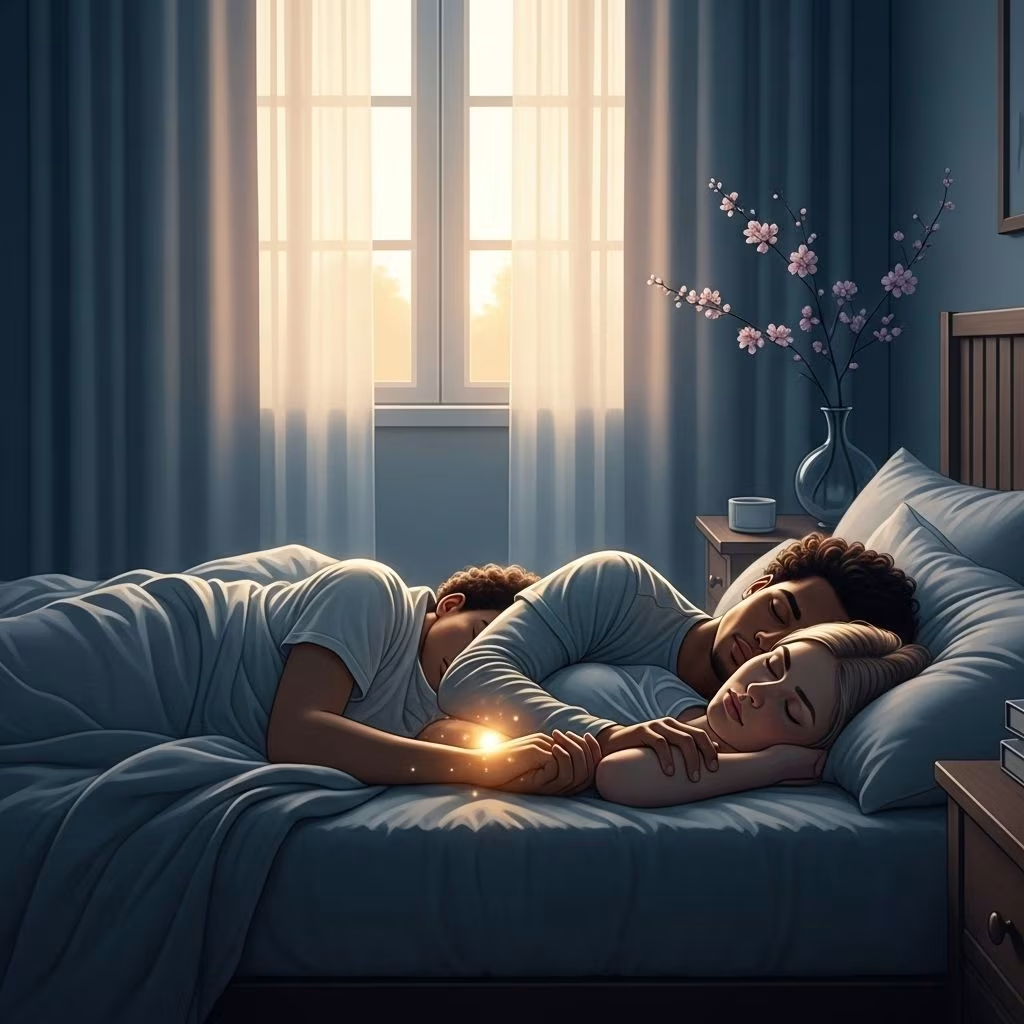
When Feeling Unappreciated Impacts How You Sleep: Connecting the Science of Relationships and Rest
Sleep and relationships are both crucial for emotional and physical well-being. Recent scientific studies reveal a profound connection between how valued you feel in your romantic relationship and the quality of sleep you experience. This article explores the latest research, the underlying psychological mechanisms, the bidirectional influences, and offers practical strategies for couples seeking healthier rest and happier partnerships.
Why Feeling Valued in a Relationship Matters
At the heart of most healthy partnerships is the feeling of being appreciated and emotionally valued. When you feel recognized and cherished, psychological needs are met, influencing everything from day-to-day mood to physiological health. When that appreciation is lacking, the effects can seep into nearly every aspect of your life—including how well you sleep.
- Emotional Security: Feeling valued fosters a sense of safety, which is a key prerequisite for relaxation and restorative sleep.
- Stress Regulation: Secure, supportive relationships help manage daily stress, reducing the rumination and anxiety that commonly disturb sleep onset.
- Physical Proximity: Partner interactions directly influence bedtime routines and personal comfort, subtly shaping sleep patterns and restfulness.
On the other hand, not feeling valued or experiencing relational conflict has been strongly associated with poor sleep outcomes. Psychological distress and unresolved emotions can promote insomnia symptoms, such as difficulty falling or staying asleep.
Science Linking Relationship Satisfaction and Sleep Quality
Recent studies shed light on the tangible ways in which the quality of your romantic relationship affects your nightly rest:
- Correlation Between Relationship Satisfaction and Sleep Quality: People who report higher satisfaction in their partnerships consistently log better sleep quality and longer sleep durations. Discontent in a relationship predicts an increase in sleep disruptions.
- Impact of Conflict: Regular conflict, lack of appreciation, or unresolved disputes lengthen sleep latency (the time it takes to fall asleep) and often reduce total sleep time.
- Marriage and Sleep Disorders: Longitudinal research finds that individuals in troubled marriages are at greater risk for developing clinically significant sleep disorders. Conversely, strong marital satisfaction in the early years predicts better sleep up to four years later.
- Age and Sleep: While older adults may experience reduced sleep durations and relationship satisfaction, the strong link between partnership harmony and restfulness persists across age groups.
Table 1: Summary of Key Study Findings on Relationship Satisfaction and Sleep Quality
| Study Feature | Positive Relationship Quality | Negative Relationship Quality |
|---|---|---|
| Sleep Quality | Higher subjective and objective sleep quality | Increased risk of sleep disorders and poorer rest |
| Sleep Duration | Longer sleep durations | Shortened total sleep |
| Sleep Latency | Falls asleep quicker | Takes longer to fall asleep |
| Next-Day Mood | Improved mood after intimacy and positive interactions | Lower mood following conflict or feeling unappreciated |
The Psychology of Attachment & Sleep Health
Why do the emotions you feel about your partner matter so much for your sleep? To understand the mechanism, look to attachment theory. Adult attachment describes the way people emotionally bond with significant others—and these patterns can shape sleep in subtle but powerful ways.
- Attachment Security: Individuals who feel securely attached to their partners report better sleep. This is attributed to heightened trust and the ability to draw comfort from their partner’s presence.
- Attachment Avoidance and Anxiety: High levels of attachment avoidance or anxiety are linked to poorer sleep, regardless of marital happiness. Attachment-related stress can heighten arousal at night, making it hard to relax.
- Dyadic Effects: A person’s attachment style can impact not only their own sleep, but also their partner’s. The dynamic within the couple is therefore a key factor in determining how well both individuals rest.
In particular, the feeling of not being valued or emotionally supported can mirror an insecure attachment environment, which is known to disrupt the ability to feel safe enough for deep sleep. Chronic insecurity and the stress it produces may set in motion physiological cascades—such as higher cortisol—that directly disrupt healthy sleep cycles.
The Sleep-Relationship Quality Feedback Loop
Not only does your relationship quality affect your sleep; emerging evidence shows the connection is bidirectional—that is, sleep quality also impacts your relationship satisfaction.
- Poor Sleep Lowers Relationship Satisfaction: Sleep deprivation impairs mood, makes partners more irritable, and reduces empathy, all of which can fuel conflict and decrease feelings of appreciation the next day.
- Good Sleep Encourages Closeness: When well-rested, individuals tend to report more positive interactions with their partners and a greater sense of emotional connection.
Thus, partners caught in a cycle of feeling undervalued and sleeping poorly may experience a reinforcing loop: poor sleep makes emotional regulation harder, leading to more conflict and even less satisfaction, and so on.
How Couples Sleep Together Matters Too
A growing field, called “couple sleep research,” looks not just at sleep quality, but how sleep patterns (such as sleep-wake timing and physical co-sleeping) interact with psychological well-being:
- Sleep Concordance: Couples who spend a greater percentage of sleep time together—what researchers call “sleep concordance”—usually report better subjective sleep quality. However, the benefits are greatest among those who feel emotionally secure with their partner.
- Sexual Satisfaction and Sleep: Research finds that emotional satisfaction with sexual activity and higher frequency of orgasm are associated with shorter sleep latency (falling asleep faster) and improved mood upon waking.
- Relationship Type: Regular, committed partnerships appear to buffer against insomnia symptoms more than casual arrangements, largely due to greater emotional support and predictability.
Practical Strategies for Better Sleep and Stronger Emotional Bonds
If you consistently feel undervalued in your relationship and your sleep is suffering, science and relationship experts point to multiple strategies you can try—either alone or as a couple:
- Prioritize Emotional Check-Ins: Schedule regular conversations where you can openly discuss feelings, appreciation, and needs. This builds emotional safety.
- Establish Bedtime Rituals Together: Doing something relaxing together before bed—such as sharing gratitude, gentle touch, or reading—can foster closeness and prime your body for sleep.
- Resolve Conflicts Earlier in the Day: Avoid going to bed angry or with unresolved disputes. Conflict and rumination spike nighttime stress hormones.
- Consider Individual Therapy or Couples Counseling: If unresolved issues and feelings of not being valued persist, professional support can help break negative cycles and improve both sleep and connection.
- Physical Affection: Small gestures like holding hands or cuddling increase oxytocin—sometimes called the “bonding hormone”—which has calming, sleep-promoting effects.
- Focus on Sleep Hygiene: Regardless of relationship dynamics, support your body with consistent bedtimes, a dark cool sleeping environment, and limiting screens before bed.
When Professional Help Is Needed
If poor sleep continues despite addressing relationship factors, consult a healthcare provider to rule out underlying sleep disorders or mental health concerns such as anxiety or depression. Both can be exacerbated by and contribute to relational distress.
Frequently Asked Questions (FAQs)
Q: Can relationship stress really cause chronic insomnia?
A: Yes. Chronic stress from feeling undervalued or ongoing conflict in a relationship can lead to persistent insomnia symptoms, such as difficulty falling and staying asleep.
Q: Does improving my relationship mean my sleep will automatically get better?
A: Not automatically, but studies show that feeling appreciated and resolving underlying conflicts improves sleep for many individuals. The reverse is also true—improving sleep habits can boost relationship satisfaction.
Q: If I sleep better without my partner, is something wrong?
A: Not necessarily. Some couples sleep more soundly apart due to differing schedules or sleep needs. What matters most is open communication and the sense of being valued outside the sleeping arrangement.
Q: How can attachment style affect my sleep?
A: Attachment anxiety and avoidance are linked to worse sleep—independent of overall relationship happiness. Feeling emotionally secure, often a result of effective communication and support, helps most people relax at night.
Q: Are there differences between men and women?
A: Some studies suggest nuances, such as men reporting improved sleep efficiency with positive interactions, while women’s relationship satisfaction may be more strongly linked to subjective sleep quality. However, both genders are affected by feeling undervaled.
Key Takeaways
- Relationship well-being and sleep quality are deeply entwined.
- Feeling valued and emotionally secure in a partnership is associated with deeper, longer, and more restorative sleep.
- Chronic relational distress predicts poorer sleep and greater risk of insomnia or related health problems.
- Improvements in one area (sleep or relationship quality) often fuel enhancements in the other.
- Open dialogue, emotional validation, and habits that reinforce connection are powerful tools for optimizing both rest and relational happiness.
Prioritizing both emotional intimacy and healthy sleep routines can be transformative—not just for your nightly rest, but for the entire rhythm and resilience of your relationship.
References
- https://pmc.ncbi.nlm.nih.gov/articles/PMC6702108/
- https://www.naturepedic.com/couple-sleep-together-study
- https://www.headspace.com/articles/want-better-relationships
- https://www.scirp.org/journal/paperinformation?paperid=62306
- https://ijip.in/wp-content/uploads/2024/05/18.01.096.20241202.pdf
- https://cdn.publisher.gn1.link/sleepscience.org.br/pdf/v15nspea10.pdf


