


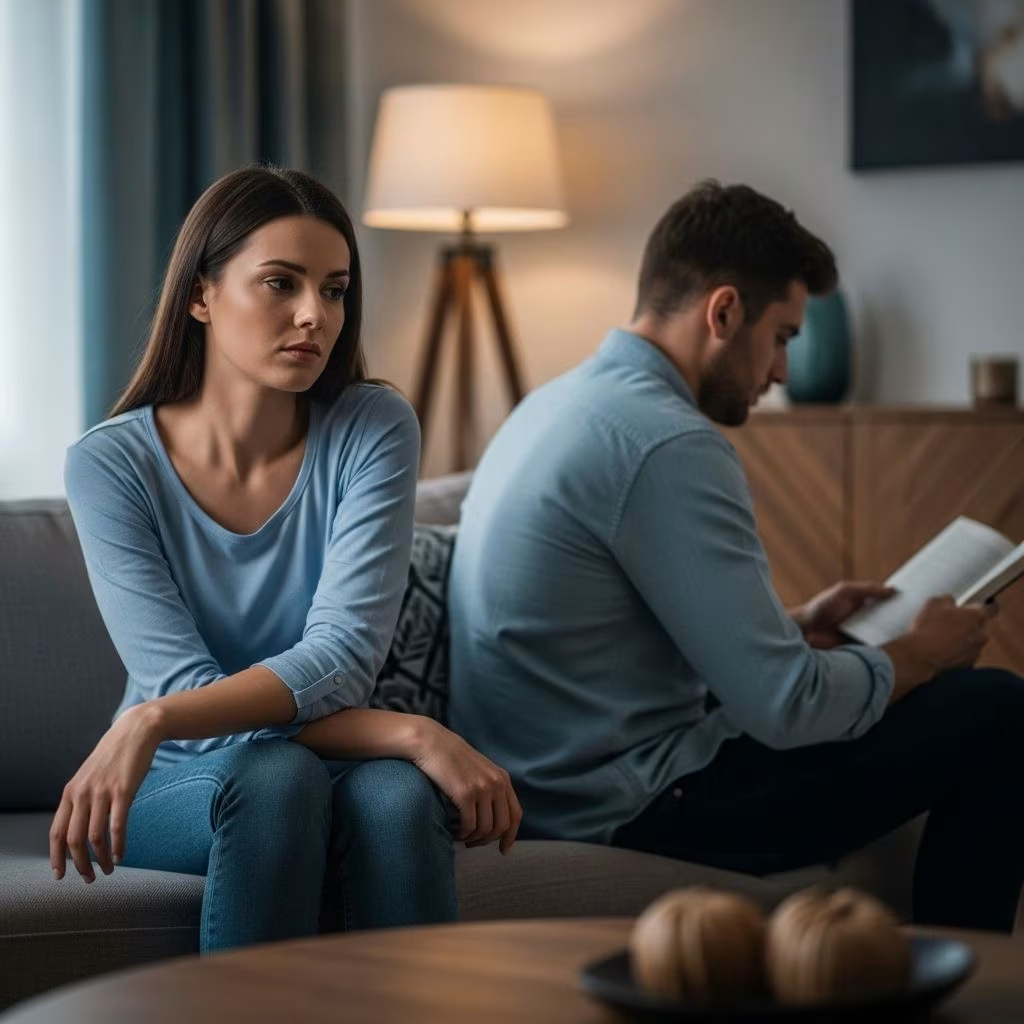
Feeling Unappreciated in a Relationship: Why It Happens & What To Do
Relationships are built on a foundation of mutual care, respect, and recognition. When one partner starts feeling unappreciated, it can quietly undermine closeness, trigger resentment, and strain even the strongest bonds. Understanding why these feelings emerge and learning how to address them can rekindle appreciation, restore connection, and help your relationship flourish.
Contents
- Why Do We Start Feeling Unappreciated?
- Warning Signs You’re Unappreciated
- The Mental and Emotional Costs
- Common Causes & Practical Solutions
- 10 Ways to Regain Appreciation
- Frequently Asked Questions
Why Do We Start Feeling Unappreciated?
Feeling unappreciated rarely comes out of nowhere. It can develop gradually when affection, gratitude, or acknowledgment wanes. At times, one partner may not even realize their actions—or lack thereof—are triggering these emotions. Unaddressed, this dynamic can create barriers between partners, sap motivation to give, and ultimately leave both sides unsatisfied.
The need to feel valued by a romantic partner is both deeply personal and universal. Even in stable relationships, routine and daily stress can cause partners to take each other for granted, forgetting the small but vital gestures that foster connection.
Warning Signs You Feel Unappreciated
Spotting the early signs of being unappreciated can help prevent lasting damage. Here are some common indicators:
- Intimacy decreases: Hugs, kisses, and kind words become less frequent.
- Lack of effort: Your partner stops doing little things that once showed care.
- Unheard feelings: Your emotions and opinions are brushed aside.
- Ignored contributions: Tasks, gifts, or acts of service go unnoticed or unthanked.
- One-sided planning: You initiate conversations, outings, or solutions, often without reciprocation.
- Unfair division of chores: Responsibilities aren’t shared or balanced, leaving you feeling used.
- No words of appreciation: Gratitude, such as ‘thank you’ or ‘I appreciate you,’ is rarely expressed.
- Increasing resentment: You feel more irritation or frustration, even over small issues.
- Feeling emotionally alone: You sense a growing emotional gap between you and your partner.
Recognizing these patterns is the first step toward changing them.
The Mental and Emotional Costs of Feeling Undervalued
Prolonged feelings of being unappreciated can be deeply damaging—not only for your relationship but for your mental and emotional health as well. Common effects include:
- Lowered self-esteem: Doubting your own worth or contributions.
- Anxiety and sadness: Increased feelings of isolation or nervousness about the relationship’s future.
- Burnout: Emotional exhaustion from giving without acknowledgment.
- Decreased motivation: Losing interest in nurturing the relationship when your efforts aren’t recognized.
- Restlessness and resentment: Harboring frustration or bitterness that erodes goodwill over time.
This emotional toll can snowball if not addressed, leading to frequent arguments, lack of intimacy, and even breakups.
Common Causes & Practical Solutions for Feeling Unappreciated
The root causes of feeling unappreciated are often complex and unique to each relationship. However, some situations and behaviors recur frequently:
| Potential Cause | Example | Possible Solution |
|---|---|---|
| Communication breakdown | Assuming your partner knows what you need | Have honest conversations about what makes you feel valued |
| Routine and complacency | Taking each other for granted; skipping rituals of appreciation | Reintroduce gratitude with small daily gestures |
| Imbalanced responsibilities | One partner taking on more chores or emotional labor | Divide tasks consciously; check in regularly about the load |
| Poor boundary-setting | Finding it hard to say ‘no’ or ask for help | Learn to set healthy boundaries; express your needs clearly |
| Different love languages | Showing appreciation in ways your partner doesn’t recognize | Discover and discuss each other’s preferred love languages |
| Outside stressors | Work, family, or health pressures taking priority | Schedule intentional couple time and open up about external stress |
Each cause may require a different approach. Acknowledging the problem and tackling it together is key for any long-term solution.
10 Ways to Regain Appreciation in Your Relationship
It’s possible to turn things around, even after a long period of neglect or distance. Here are expert-backed strategies for fostering mutual appreciation:
- Start the conversation: Gently share how you feel and what you need. Use statements like, “I feel unseen when I…” rather than blaming.
- Ask for what you want: Sometimes, your partner simply doesn’t know how to make you feel appreciated. Be specific and direct.
- Practice saying ‘no’: Refusing overextension is a healthy boundary. If you always say yes, your efforts might be taken for granted.
- Divide chores and duties: Evaluate responsibilities together and ensure contributions feel fair and visible.
- Let your partner take initiative: Step back from always organizing or planning. This gives your partner a chance to step up and show they care.
- Reignite small gestures: Little acts—like a complimentary note, a special coffee, or a hug—can go a long way.
- Show appreciation as you wish to receive it: Lead by example. Express gratitude for what your partner does, no matter how small.
- Give and receive compliments: Make it a habit to notice and voice what you value in your partner and yourself.
- Prioritize couple time: Set aside regular moments when your attention is solely on each other.
- Consider counseling: If unappreciation lingers, couples therapy can help rebuild respect and communication.
Practicing Appreciation: A Shift in Perspective
Sometimes the path to feeling valued starts within. Revisiting your own efforts, adopting a mindset of gratitude, and communicating openly about struggles can prompt change in your partner as well. Often, both partners are doing more than meets the eye—understanding and recognising each other’s intentions can heal hidden wounds.
Navigating Differences in Needs and Social Circles
It’s common for partners to have varying needs for connection—both within the relationship and with friends, family, or colleagues. One person may rely heavily on close friends or a supportive family, while the other depends mainly on their partner for emotional fulfillment. These differences can create unintentional feelings of being uncared for or unappreciated.
- Discuss how each of you defines feeling appreciated.
- Share which external relationships are important to you and why.
- Work toward a balance that respects both your partnership and community ties.
Open, honest conversations help set expectations, minimize misunderstandings, and ensure both partners feel valued—both as lovers and as individuals.
Frequently Asked Questions (FAQs)
Q: Is feeling unappreciated normal in long-term relationships?
A: Yes, it’s common for couples to experience periods of feeling overlooked or undervalued, especially as daily life becomes more routine. The key is recognizing the pattern and taking active steps to restore appreciation.
Q: What if I talk to my partner and nothing changes?
A: If open communication doesn’t bring improvement, consider strategies such as counseling, taking breaks to reset expectations, or reflecting on whether your values still align. Ongoing feelings of being unappreciated may signal deeper compatibility concerns.
Q: How can I set boundaries without causing conflict?
A: Frame boundaries as a way to create a healthier relationship for both partners, not as demands or ultimatums. Use “I need…” statements to clarify your requirements without blame.
Q: Can couples therapy help with chronic feelings of being unappreciated?
A: Absolutely. Counseling creates a safe space for both partners to express their needs and grievances, develop practical strategies, and rebuild trust and connection.
Q: When is it time to walk away?
A: If you’ve repeatedly communicated your needs and seen no positive change, or if the relationship is harming your self-esteem or mental health, it may be healthiest to consider moving on.
Final Thoughts
No one should endure chronic feelings of being unappreciated. Each relationship is unique, but open communication, healthy boundaries, and regular acts of gratitude are universal remedies. By addressing these issues head-on, you give your relationship the best chance to thrive, restoring closeness and genuine appreciation on both sides.
References
- https://psychcentral.com/relationships/when-your-relationship-is-seeing-red
- https://iditsharoni.com/058-how-to-handle-partners-who-feel-uncared-for-and-unappreciated/
- https://debrasmouse.com/relationship-feeling-drained-and-burned-out/
- https://www.marriage.com/advice/relationship/feeling-unappreciated-in-a-relationship/


