


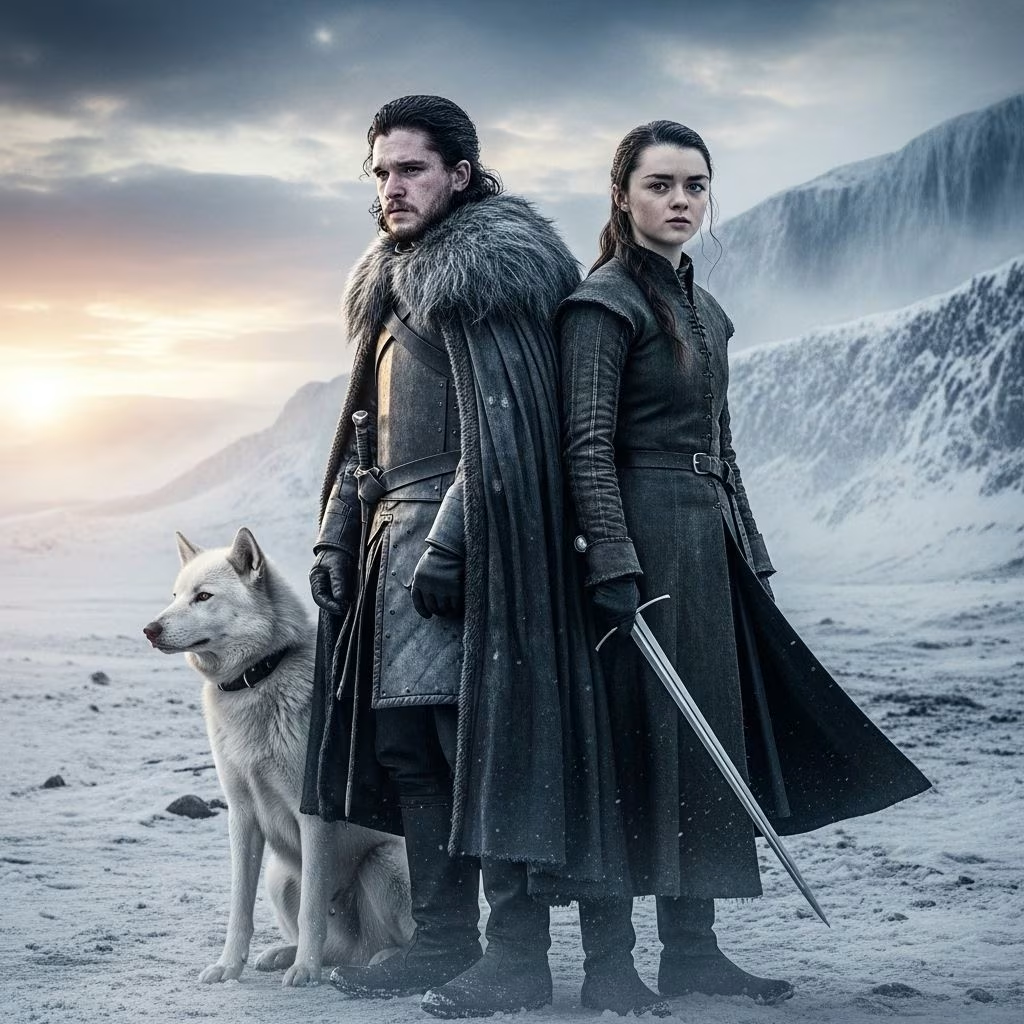
The Original ‘Game of Thrones’ Pitch: An Alternate Vision for Westeros
When HBO’s adaptation of George R.R. Martin’s A Song of Ice and Fire reached its final seasons, many fans were shocked to learn just how different the narrative could have been. According to Martin’s original pitch letter, the trajectory for key characters—especially Arya Stark and Jon Snow—was almost unrecognizable, driven by dramatic and taboo storylines that were ultimately abandoned before reaching the screen.
The Core Difference: Arya and Jon’s Romantic Arc
Perhaps the most jarring revelation from Martin’s early plans is his intended romantic tension between Arya and Jon Snow. Rather than being simply the close, platonic siblings (later revealed as cousins) bonded by their outsider status, Arya and Jon’s relationship was conceived with a dark, passionate undertone. Martin originally envisioned a forbidden love that simmered under the surface—one never physically consummated, but emotionally pivotal to the series’ core narrative.
As described in the pitch:
- Arya was set to accompany her mother Catelyn and brother Bran to the Wall, where she would spend significant time with Jon.
- The proximity and shared experiences would eventually cause Arya to recognize her feelings for Jon, much to her horror, knowing him as her half-brother and a sworn brother of the Night’s Watch, bound to celibacy.
- This emotional torment would haunt both characters throughout the trilogy, with their love remaining unspoken and unacted upon until the dramatic revelation of Jon’s true parentage in the final book.
As unsettling as this sibling romance might seem, it was always intended to remain a tragic undercurrent rather than a fully realized romantic plot, drawing on classic literary themes of forbidden love and tragic self-denial.
The Love Triangle: Adding Tyrion Lannister
Martin’s dramatic instincts went even further by introducing an unlikely third point to this emotional triangle—Tyrion Lannister. In the original outline:
- Tyrion would be betrayed by his brother Jaime, forcing him into exile and ultimately onto the side of the surviving Starks.
- During his alliance with the Starks, Tyrion would fall “helplessly in love” with Arya, a passion that would remain wholly unrequited.
- This unbalanced triangle would fuel “a deadly rivalry between Tyrion and Jon Snow”—a conflict born from love, loyalty, and unfulfilled desire.
This twist profoundly shapes the interpersonal conflicts and narrative stakes, adding layers of complication and heartbreak that were ultimately not realized in either the books or the HBO adaptation.
What Survived: The Five Key Players and Their Fates
Despite these differences, some aspects of Martin’s outline remained foundational. He proposed that five characters—Tyrion, Daenerys, Arya, Bran, and Jon—would be the key survivors and most vital “players” of the saga:
- All were slated to live to the end of the books.
- Their connections, rivalries, and revelations would anchor the series’ core mysteries and moral themes.
This prediction largely aligns with how both the novels and the series ultimately treat these characters, though the details of their journeys (and even their final fates) shifted dramatically as Martin’s vision evolved.
Dramatic Contrasts: Arya and Jon’s Canon Relationship
In stark contrast to the romantic and rivalry-laden undertones of Martin’s initial pitch, the version of Arya and Jon’s relationship seen onscreen and in the published books is affectionate, fiercely loyal, and fundamentally brother-sisterly. Key differences include:
- Emotional Foundation: Arya and Jon form an unbreakable bond as kindred outcasts, rather than star-crossed lovers.
- Absence of Romance: No suggestion of romantic affection is present in the canonical versions; instead, Arya’s key romantic subplot emerges with Gendry, and Jon’s with Ygritte and later Daenerys.
- Shared Values: Both remain moral anchors of House Stark, facing exile, challenge, and transformation, but as chosen siblings, not forbidden lovers.
The resonance arises from their kinship and mutual respect, not from tormented passion, and their narrative arcs serve as emotional touchstones for the audience.
Other Surprising Deviations in the Original Pitch
Martin’s original outline reveals further plotlines that would have dramatically changed the world of Westeros:
- Sansa Stark would have married Joffrey Baratheon, borne his child, and betrayed House Stark by siding with the Lannisters in their quest for the Iron Throne.
- Daenerys Targaryen was to kill Khal Drogo in revenge for Viserys’s death and find the dragon eggs alone in the forest, not as a wedding gift.
- The wars for the throne and the personal betrayals were meant to be even more brutal, defining the series as a tragedy of families broken and reconstructed by fate.
These alternate plotlines paint a version of Game of Thrones that is more Shakespearean in its tragic romance and less focused on political alliances and quests for power.
Why the Changes Mattered: Narrative and Cultural Impact
Martin’s shift away from these early storylines—especially the Arya/Jon romance—profoundly shaped what Game of Thrones became on the page and on screen. The key reasons for this shift include:
- Cultural Sensitivity: The prospect of a central incestuous romance, even if unconsummated, would likely have alienated many readers and viewers, especially as the books’ popularity exploded.
- Character Development: Arya’s “lone wolf” identity and Jon’s stoic leadership became central to their appeal. Their strength lies in independence, resilience, and moral integrity, not passionate romance.
- Broad Appeal: The platonic version of their relationship resonates across cultures and audiences, emphasizing loyalty and chosen family over destructive passion.
At the same time, the retention of Martin’s focus on ambiguity, moral darkness, and challenging character arcs ensured that Game of Thrones remained a groundbreaking work in the fantasy genre.
Comparative Table: Arya & Jon’s Relationship — Original Pitch vs. Canon
| Element | Original Pitch | Published Books / TV Series |
|---|---|---|
| Relationship Nature | Romantic tension; forbidden love; never consummated | Sibling-cousin affection; mutual respect and loyalty |
| Plot Mechanic | Love triangle (Jon, Arya, Tyrion), rivalry between Jon and Tyrion over Arya | Separate romantic plots (Jon with Ygritte/Daenerys; Arya with Gendry as minor subplot) |
| Arya’s Key Traits | Haunted by forbidden feelings for Jon; object of Tyrion’s affection | Fiercely independent; no major love interest |
| Jon’s Arc | Tormented by passion and secret heritage | Struggles with identity; leadership; romance with Daenerys |
The Ripple Effect: How Alternate Endings Reshape a Story
The nature of Arya and Jon’s relationship was not just a subplot; it would have fundamentally reshaped the themes, allegiances, and emotional core of the series. Had the original plan been followed:
- The Stark family’s storyline would have centered on secrets, betrayal, and taboo, rather than unity and determination in the face of winter.
- Tyrion’s entire narrative would shift, making Arya—not Sansa—the Lannister connection and source of heartbreak.
- The audience’s emotional investment and moral reading of the story would be altered, complicating loyalties and rooting tragedy more personally rather than through political machination.
What Remains: Thematic Echoes in the Final Series
Though Martin’s most controversial storylines were abandoned, remnants of emotional tension and outsider status linger in how Arya and Jon are portrayed:
- Both continually struggle with identity and belonging, each forged by trauma and estrangement
- The deep, platonic bond between Arya and Jon is portrayed as pure—one of the series’ touchstones for familial love and loyalty, despite a world filled with betrayal
Thus, Martin’s ultimate balance produces an epic saga grounded less in taboo and more in resolute, if complicated, fidelity to family and self.
Frequently Asked Questions (FAQs)
Q: Did Arya and Jon ever have a romantic relationship in the books or TV series?
A: No. While early drafts included a romantic storyline, the published books and HBO series depict Arya and Jon as close family, with their bond rooted in mutual respect, loyalty, and shared outsider status—not romance.
Q: Was there ever a love triangle between Arya, Jon, and Tyrion?
A: Only in George R.R. Martin’s original outline. In this version, both Jon and Tyrion had unrequited feelings for Arya, creating a rivalry that never appeared in the final books or on TV.
Q: Why did George R.R. Martin change Arya and Jon’s relationship?
A: Changing the relationship likely allowed for greater audience resonance, sidestepped cultural taboos, and provided more room for Arya’s development as an independent character and Jon’s as a leader tormented by his heritage.
Q: Were there other major changes in the original pitch compared to the series?
A: Yes. Sansa was to betray the Starks after marrying Joffrey, Daenerys would kill Drogo rather than fall in love, and Tyrion’s alliances would dramatically shift. Many elements were softened or fundamentally altered in the final narratives.
Q: How did fans react to learning about these unused storylines?
A: Most expressed relief that Arya and Jon’s relationship remained platonic, though many enjoyed debating how these alternate directions might have changed the story’s thematic focus or emotional impact.
References
- https://www.bustle.com/p/arya-jons-relationship-could-have-been-very-different-according-to-the-original-got-pitch-17228493
- https://www.businessinsider.com/jon-snow-arya-stark-romance-2016-7
- https://www.mentalfloss.com/article/571590/game-of-thrones-arya-stark-jon-snow-tyrion-lannister-love-triangle
- https://www.theringer.com/2019/04/03/game-of-thrones/george-r-r-martin-original-game-of-thrones-pitch-season-8-clues
- https://asoiaf.westeros.org/index.php?%2Ftopic%2F125364-jon-arya-hints-and-overall-significance-of-their-relationship-including-part-3%2F


