


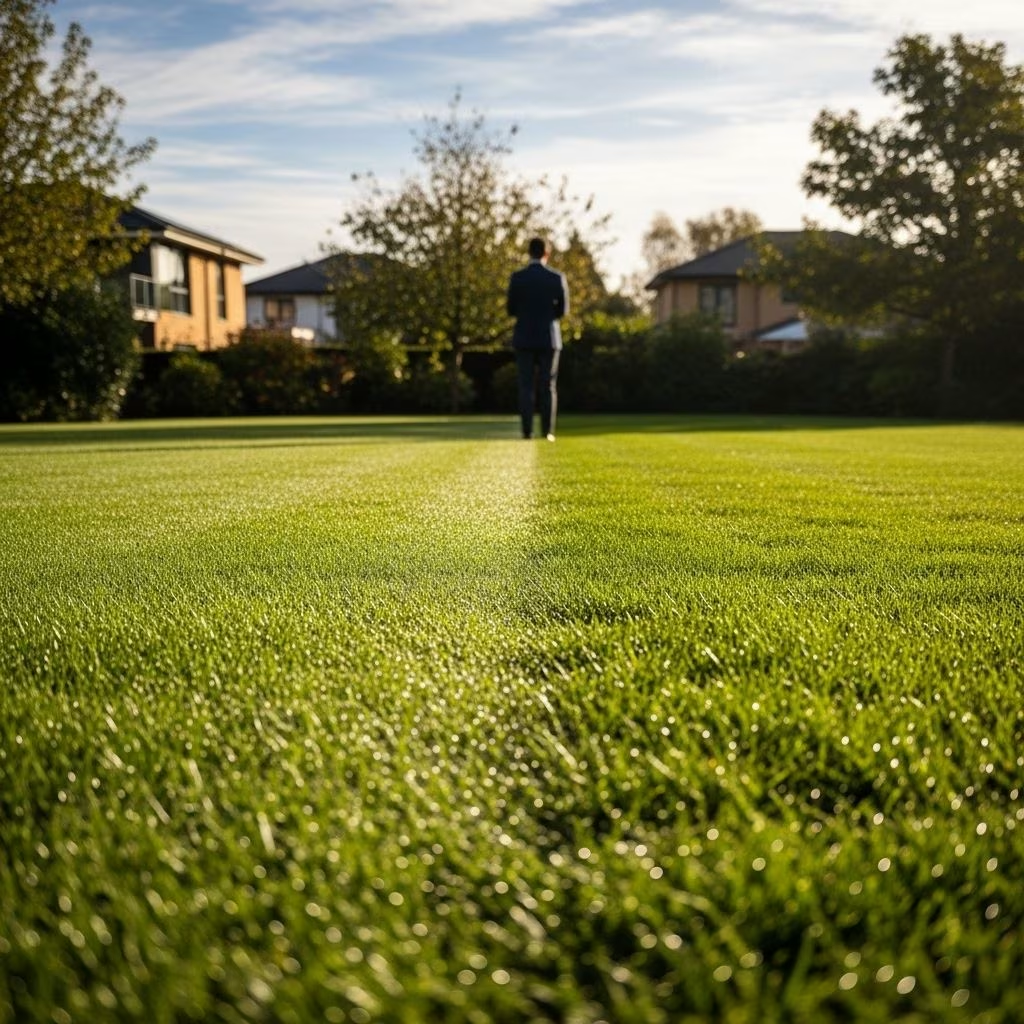
The Grass Is Greener Syndrome: Pursuing a Never-Ending ‘Better’
Most people have heard the saying, “the grass is always greener on the other side.” While it may sound cliché, many individuals live in the grip of this outlook, always searching for a better alternative to what they already have. This mindset, known as the grass is greener syndrome, deeply affects satisfaction in relationships, careers, and life at large, leading to chronic restlessness and dissatisfaction.
This article explores what the grass is greener syndrome really is, why it occurs, how it shapes lives, and—most importantly—how to move beyond it into a more grounded, fulfilling existence.
What Is the Grass Is Greener Syndrome?
The grass is greener syndrome is not an official mental health diagnosis but is widely recognized by psychologists as a way of thinking marked by difficulty feeling content with current circumstances and a relentless fixation on greener pastures elsewhere. Rather than feeling stable and satisfied, people with this syndrome are plagued by the belief that better opportunities exist just out of reach—whether in relationships, careers, lifestyles, or personal circumstances.
- Persistent Discontent: An inability to settle, feel at peace, or fully invest in the present.
- Idealization of Alternatives: Fantasies about another partner, job, or city where life would be effortlessly better.
- Chronic Comparison: Constantly weighing one’s life against an ideal or against others, always coming up short.
This way of thinking often drives people to be “one foot out the door” in multiple areas, never fully committing to the present or the people around them.
How Does It Differ from Other Conditions?
- Not Just Envy: Unlike simple jealousy, where someone wants what another has, grass is greener syndrome involves the conviction that another (option, person, job) truly is attainable and that happiness lies just on the other side, if only the right steps were taken.
- Not a Response to Real Harm: Those with the syndrome may examine even healthy or good circumstances and fixate on their flaws—unlike those escaping genuinely toxic or dangerous situations.
What Causes Grass Is Greener Syndrome?
The urge to seek “more” is intrinsically human, yet when this urge becomes chronic and undermines satisfaction, multiple psychological factors are usually at play.
- Fears Associated with Commitment: Many with the syndrome deeply fear being trapped—whether in relationships, jobs, or identities. Commitments are seen as threats to freedom, individuality, or future happiness.
- Idealization and Fantasy: The “greener grass” is most often a fantasy—an idea born out of what could be, not what actually is. People can project all their hopes and desires onto new possibilities, ignoring the inevitable challenges or flaws.
- Fear of Boredom and Loss of Self: Commitment can bring up anxieties about life becoming dull or one’s identity being eroded or stifled.
- Fear of Oppression: Some experience any form of compromise as oppressive, leading them to believe that surrendering or adapting equals losing their voice, needs, or freedom.
- Comparison Culture: The rise of social media and constant comparisons amplifies dissatisfaction, making it easy to believe that everyone else is happier and that ‘more’ is always possible.
Table: Root Fears and Associated Behaviors
| Root Fear | Resulting Behavior/Belief |
|---|---|
| Fear of commitment | Avoids settling; leaves options open; noncommittal |
| Fear of boredom | Quickly loses interest once novelty wears off |
| Fear of oppression or loss of freedom | Views compromise as a personal loss; resists deeper engagement |
| Idealization and perfectionism | Chases new fantasies, never satisfied with current reality |
| Social comparison | Constantly dwells on what is lacking; minimizes own happiness |
How Does Grass Is Greener Syndrome Manifest in Daily Life?
The syndrome can show up in virtually every aspect of life, most commonly in:
- Romantic relationships: Feeling one’s partner is not “ideal” and believing a better relationship awaits elsewhere; lack of long-term investment.
- Career and Work: Continually jumping from one job or position to another; feeling underutilized or unappreciated regardless of role.
- Geographic living: Restlessness with living environment, frequently considering moves in search of the “perfect” place.
- Self and Appearance: Persistent dissatisfaction with one’s looks or achievements, forever striving for an unattainable personal ideal.
This mindset often leads to a cycle of chronic dissatisfaction: even after changing partners, jobs, or cities, individuals find the same restless unhappiness follows them, prompting the next search for something better.
Negative Effects of the Grass Is Greener Syndrome
Unchecked, this pattern can result in:
- Chronic dissatisfaction and lack of fulfillment
- Stalled personal growth from never sticking with goals or commitments
- Difficulty maintaining healthy relationships due to emotional distance or inconsistency
- Lower mood, anxiety, and depression arising from persistent frustration and rumination
- Lack of appreciation for achieved milestones
It can be emotionally exhausting and can corrode self-esteem, relationships, and one’s overall sense of purpose and happiness.
Why Don’t People with Grass Is Greener Syndrome Find Satisfaction?
At the heart of the syndrome is the illusion that the next thing—next partner, job, home, or self-upgrade—will provide ultimate fulfillment. However, the fantasy of “perfect” circumstances is never attainable in reality; every alternative brings its own set of challenges and imperfections.
The greener grass is usually a mental construct, shaped by:
- Selective memory, remembering only the highlights of former situations or focusing on an imagined best case
- Exaggerated fears or projections about what will happen if one settles or commits
- Societal pressures to always improve, upgrade, and achieve more
This misunderstanding keeps individuals trapped in an endless loop of disappointed expectations.
How to Overcome Grass Is Greener Syndrome
Moving beyond this cycle requires conscious effort and often support. Consider these evidence-based steps to break the pattern and cultivate satisfaction in the present.
- Awareness: The first step is identifying the pattern—recognizing your tendency to fixate on the “next best” and how it undermines your happiness.
- Embrace Commitment: Reframe commitment as an opportunity to invest deeply and grow, rather than a threat to freedom.
- Practice Gratitude: Actively look for things to appreciate in your current life—shift your focus from what’s missing to what is present and good.
- Challenge Fantasies: When you catch yourself idealizing another option, consciously remind yourself that every scenario has upsides and downsides. No relationship, job, or lifestyle is immune to routine or difficulty.
- Embrace Compromise: See compromise as a sign of healthy relationships and maturity, not a loss of self.
- Limit Comparative Triggers: Reduce time spent on social media if it fuels comparisons, and cultivate real-life connections.
- Invest Where You Are: Pour energy into existing commitments, relationships, or projects, allowing satisfaction and growth to emerge through sustained effort.
- Therapy and Support: If the cycle feels deeply ingrained or leads to significant distress, psychotherapeutic support can help unravel the root fears and develop healthier patterns.
Table: Strategies for Breaking the Cycle
| Action Step | Expected Benefit |
|---|---|
| Regular gratitude journaling | Enhances awareness of present positives, reducing fixation on what’s lacking |
| Mindfulness or grounding techniques | Improves ability to inhabit the present and quiets restless rumination |
| Therapeutic counseling | Helps identify root anxieties, resolve commitment fears, and foster secure attachment |
| Limiting social comparisons | Minimizes triggers for dissatisfaction and envy |
| Setting realistic expectations | Prevents idealization and allows genuine contentment to grow |
Summary Checklist: Are You Struggling with Grass Is Greener Syndrome?
- Regularly fantasize about alternative lives or options, convinced they would bring happiness?
- Frequently feel dissatisfied, even when current situations are objectively good?
- Find it hard to commit to long-term goals or relationships, fearing you’ll miss out?
- Lose interest quickly once the novelty of something wears off?
- Find satisfaction fleeting, always looking for the next upgrade or escape?
If several of these statements ring true, consider exploring the strategies above to reclaim contentment and connection in the present moment.
Frequently Asked Questions (FAQs)
Q: Is grass is greener syndrome a mental illness?
A: No, it is not officially categorized as a mental health disorder, but it can significantly interfere with wellbeing and relationships.
Q: What are typical signs of someone struggling with this syndrome?
A: Some signs include chronic dissatisfaction, fear of settling, frequent relationship or job changes, and persistent comparison to others or idealized alternatives.
Q: Can grass is greener syndrome be overcome?
A: Yes. With self-awareness, change in perspective, support, and consistent practice of gratitude and mindfulness, most can learn to appreciate what they have and develop lasting commitments.
Q: Is it ever healthy to want more out of life?
A: Seeking growth or improvement is normal and beneficial, but the syndrome refers specifically to chronic, unfulfilling restlessness that prevents satisfaction with what is already good.
Q: How do relationships suffer from this syndrome?
A: It undermines emotional intimacy, consistency, and trust. Partners may feel emotionally unsafe or undervalued, leading to instability or recurring breakups.
Final Thoughts
The grass is greener syndrome highlights a fundamental challenge of modern life: finding meaning and gratitude in what we already have. While the lure of ‘more’ calls to many, authentic fulfillment comes from embracing the reality of the present and investing in the people and circumstances that matter most.
References
- https://camentalhealth.com/blog/unraveling-the-mysteries-of-grass-is-greener-syndrome-euphoric-memories-and-craving/
- https://www.harleytherapy.co.uk/counselling/grass-is-greener-syndrome.htm
- https://psychologywriting.com/blog/the-grass-is-greener-syndrome-causes-symptoms-tips-to-overcome-it/
- https://psychcentral.com/blog/relationships-balance/2013/03/16/the-grass-is-greener-syndrome
- https://taylorcounselinggroup.com/blog/grass-is-greener-syndrome/
- https://nathanfeiles.com/therapy-blog/grass-is-greener-syndrome-the-desire-for-the-next-relationship/
- https://dariusforoux.com/grass-is-greener/
- https://natashaadamo.com/grass-is-greener-syndrome/


