


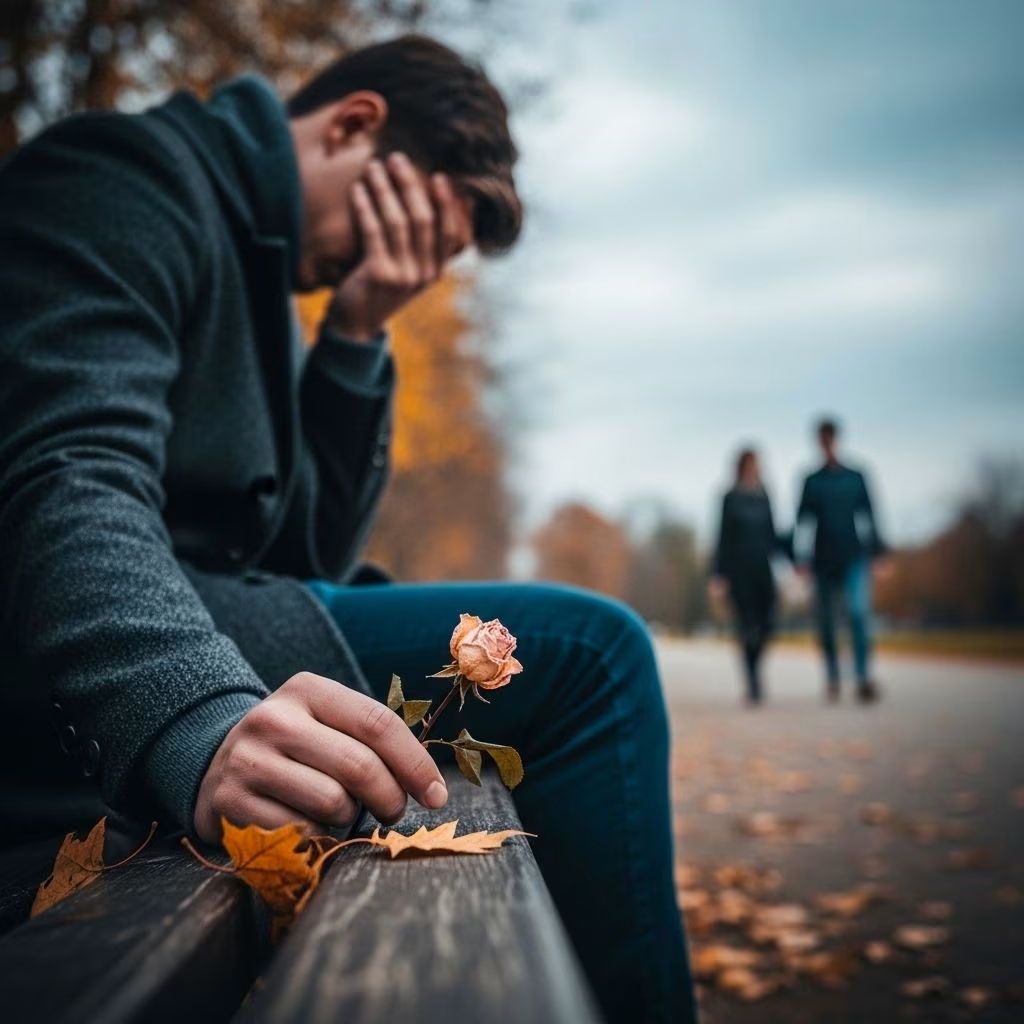
How My Herpes Diagnosis Changed My View on Love and Relationships
By Anonymous
If you had asked me just a year ago what could possibly make me feel numb to love, I would have rolled my eyes and listed off only the most dramatic heartbreaks. I never would have believed a simple diagnosis could transform my emotional world so completely. But that’s the power of herpes—not just as a virus, but as a weight that settles onto your heart, shifting every notion of intimacy, trust, and vulnerability.
Before Diagnosis: Innocence and the Search for Connection
Everything seemed straightforward in the wild terrain of modern dating. Like many, I’d believed heartbreak would come in a familiar form: a bad breakup, a soul-crushing betrayal, or the death of a fleeting romance. I approached each new relationship with trust—sometimes too much, occasionally not enough. I believed mistakes happened, but that most people, at their core, meant well. My emotional barometer was set to hope and exploration.
I moved through relationships with a sense of possibility. I wanted sparks, late-night conversations, and those electric moments that define young love. The idea of something as clinical and shadowy as a sexually transmitted infection rarely crossed my mind. If it did, I imagined it as the result of massive irresponsibility or bad luck—never as something that could derail my own ability to form attachments.
The Day Everything Changed: Facing the Diagnosis
One morning, shortly after the end of a seemingly normal romance, I awoke to an agonizing physical pain—a pain made sharper by mounting anxiety and confusion. Panic became my constant companion as Google searches turned up images and horror stories I couldn’t process. The doctor’s official diagnosis of herpes wasn’t just a confirmation of what I’d feared: it was the beginning of a new chapter that would test every belief I had about trust, safety, and connection.
- Shock and Betrayal: The realization that the person I cared for hadn’t told me about their status—and may not have even known—felt like a brutal breach of trust.
- Stigma and Isolation: The immediate mental spiral—Would anyone ever want me again? Was I now tainted?—revealed how deeply ingrained our culture’s stigma towards STIs really is.
- Anxiety: Suddenly, every minor ache became a cause for suspicion. The fear of future outbreaks or, worse, passing the virus onto someone else, became overwhelming.
In the days and weeks after my diagnosis, I struggled to feel anything at all. Joy, attraction, even loneliness—they all faded into a grey numbness. I felt robbed not just of trust, but of the capacity for genuine connection.
The Weight of Stigma: Why Herpes Feels Uniquely Isolating
Most people know, clinically, that herpes is a common infection. Yet the social and cultural baggage attached to it is immense. Jokes about herpes are rampant in movies, TV, and even among friends. As I came to realize, the emotional fallout from the diagnosis was far more traumatic than any physical symptom.
Common stigmatizing beliefs include:
- Herpes is a marker of irresponsibility or promiscuity.
- It ruins the chance for a healthy, happy relationship.
- Telling someone you have herpes will always result in rejection.
The truth is, these beliefs aren’t just cruel—they’re wrong. Millions live with the virus and continue to date, love, and find fulfillment. Yet the persistent stigma can severely impact self-image, leading to intense shame and an emotional shutdown. For weeks, I avoided dating apps and even stopped seeing friends, afraid that my “secret” was written across my forehead.
I Used to Trust Easily. Now Every New Relationship Feels Dangerous
One of the biggest, most insidious impacts of my diagnosis was how it rewired my sense of trust. Where I once opened up quickly, I now replayed every detail of past relationships, questioning the honesty of former partners and my judgment in choosing them.
- Constant Calculations: Wondering, every time I considered intimacy, if I was about to repeat the same mistake—or inadvertently put someone else at risk.
- Reluctance to Share: Dreading the moment when, with every new partner, I’d have to “confess” my diagnosis and brace myself for rejection or, worse, shame.
- Hypervigilance: The simple act of trusting someone with my body, or my vulnerability, now felt fraught with risk.
Some days, the idea of ever falling in love again felt impossible. Emotional numbness replaced hope.
How Herpes Changed the Way I Interact With Potential Partners
After months of withdrawal, I realized I couldn’t let one diagnosis control my life forever. But the process of re-entering the dating world forced me to adopt new rules and strategies:
- Deliberate Honesty: I learned it was best to disclose my status sooner rather than later—not immediately, but before things became physically intimate. This wasn’t just about ethics; it was about self-protection, limiting the sting of late-stage rejection.
- Being Prepared for Reactions: Not everyone responded with compassion. Some people heard the word “herpes” and immediately unmatched me or disappeared. Yet, others surprised me with acceptance, or even shared their own experiences.
- Seeking Support: Connecting with others who lived with HSV through online forums or support groups was transformative. I felt less alone, less like an outlier.
Disclosure Script Example:
“I want you to know before things move forward: I have the herpes virus. I take daily medication to manage it, and my doctor says the risk of transmission is very low, especially with protection—but I always want my partners to have all the information to make their own choices.”
Why It’s So Hard to Trust Again
Even with positive experiences, the wound to trust remained deep.
- The fear of being misled—again—made me question everyone’s motives.
- The responsibility to protect partners weighed heavily, sometimes sapping the fun or spontaneity out of dating.
- Moments of intimacy became arenas for self-doubt.
The Emotional Fallout: Numbness and Self-Protection
For a long time after my diagnosis, I couldn’t really feel much at all. The heart wants to shield itself after trauma, and herpes—because of both its stigma and its permanence—became a trauma I struggled to shake.
- I started moving through relationships like an observer, never a participant, fearing vulnerability would only lead to further pain.
- Detachments, rather than attachments, became the default. I craved connection but fled from it at the same time.
- Even when someone was open to dating me, I questioned their sincerity. I wondered if my diagnosis made me a “charity case” rather than a desirable, autonomous partner.
There were days when I mourned the version of myself who loved fearlessly—who had the luxury of heartbreak without the burden of stigma. I missed her.
Moving Beyond Numbness: Strategies for Healing
Gradually, I realized that living—or loving—without risk is impossible, diagnosis or not. Healing doesn’t erase the pain, but it introduces possibility again.
- Therapy: Talking to a mental health professional helped me unpack feelings of shame and self-blame. Learning that these feelings were normal—and temporary—was essential.
- Education: Arming myself with accurate facts about herpes helped combat irrational fears, both for me and potential partners.
- Redefining Intimacy: I found new ways to connect, placing more value on emotional transparency and less on the perfection of sexual encounters.
Helpful Reminders for Anyone Facing a Similar Diagnosis
- Herpes doesn’t define your worth or desirability.
- The right partner will respect your honesty and vulnerability.
- You are more than your diagnosis. Healing is possible.
Lessons Learned: What a Herpes Diagnosis Really Teaches About Love
Ironically, contracting herpes didn’t just cast a shadow over my love life—it forced it into clarity. I learned more about the nature of love, risk, and resilience than any previous heartbreak ever did. These lessons aren’t unique to me; they echo in the stories of thousands who face stigmatized diagnoses and keep going.
| Misconception | Reality |
|---|---|
| “Herpes means you’ll never find love.” | Millions have HSV and maintain healthy, fulfilling relationships. |
| “Disclosing will always end in rejection.” | Yes, some people will walk away, but many respond with empathy or potential connection. |
| “Herpes is rare or ‘dirty’.” | It’s one of the most common viral infections worldwide. |
| “You’re responsible for others’ ignorance.” | You only owe honesty; you cannot control others’ reactions or prejudices. |
Ultimately, my journey with herpes turned out to be less about loss, and more about transformation: learning to live honestly, trust wisely, and love bravely, even with scars.
Frequently Asked Questions (FAQs)
Q: Can you have a healthy relationship when you have herpes?
A: Absolutely. Many people with herpes enjoy loving, fulfilling partnerships. Open communication, medical treatment, and mutual trust are key to maintaining intimacy and minimizing risk.
Q: When should you tell a partner about your herpes diagnosis?
A: It’s best to discuss your status before becoming sexually intimate, but not necessarily on the first date. This allows both parties to make informed decisions about their boundaries and risk tolerance.
Q: How common is herpes?
A: Genital herpes, caused by HSV-1 or HSV-2, is extremely common worldwide. The CDC estimates that about 1 in 6 people ages 14 to 49 in the U.S. have genital herpes, though many are unaware they carry the virus due to mild or unnoticeable symptoms.
Q: Does herpes affect emotional health?
A: While the virus itself primarily causes physical symptoms, the stigma and emotional fallout of an HSV diagnosis can trigger feelings of shame, anxiety, or numbness. Seeking mental health support is recommended and can be deeply healing.
Resources and Support
- American Sexual Health Association (ASHA): Offers informational resources and support groups.
- CDC Herpes FAQ: Straightforward guidance on HSV transmission and management.
- Online Forums: Sites like Reddit’s r/HSV offer community, empathy, and practical advice from people who’ve been there.
If you’ve just been diagnosed or are supporting someone who has, remember: your value, your capacity for love, and your right to happiness are unshaken. Herpes is a diagnosis—not a definition. The challenge is very real, but so is the possibility for new kinds of love, connection, and acceptance.
References
- https://www.menshealth.com/sex-women/a39096561/dating-with-herpes/
- https://www.healthline.com/health/healthy-sex/sex-dating-with-herpes
- https://www.elitedaily.com/dating/snapchat-breakup-herpes/1548873
- https://www.vice.com/en/article/why-is-it-so-hard-to-date-with-herpes/
- https://www.elitedaily.com/life/dating-scene-diagnosed-herpes/1531408
- https://www.youtube.com/watch?v=NsXTEz0FUgI
- https://www.innerbody.com/best-herpes-dating-sites


