


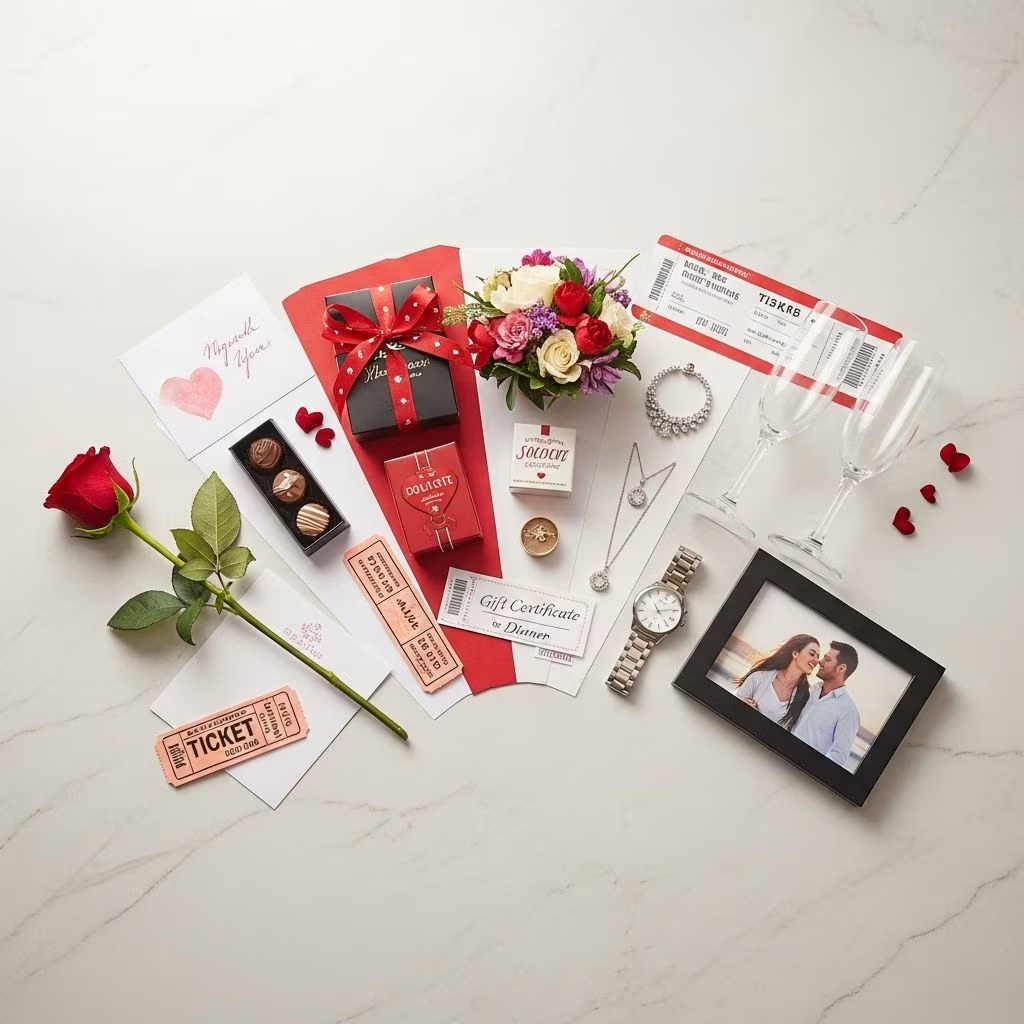
How Much Should You Spend on Valentine’s Day? It Depends on How Long You’ve Been Dating
Valentine’s Day arrives just as our wallets are recovering from the holiday season, making it tricky to navigate gift-giving without over- or under-spending. But how much should you really spend on Valentine’s Day? According to relationship experts, the answer depends largely on how long you’ve been dating your partner—whether it’s a brand-new romance or a long-term commitment.
The Pressure of Valentine’s Day Gift-Giving
Valentine’s Day can feel like a pressure cooker for many daters. There’s the fear of looking cheap, the fear of going overboard, and the fear of missing the mark entirely. Social media and pop culture amplify these anxieties, often making the holiday seem more about extravagant gestures than genuine connection. But the truth is, the best Valentine’s Day gifts are about thoughtfulness, not price tags.
Ultimately, your spending should reflect where you are in your relationship—your budget, your partner’s expectations, and your mutual comfort level.
Valentine’s Day Spending Guide by Relationship Stage
First Dates or Just Started Talking
- Spending Recommendation: $0
- What to Do: If you’ve only been on a date or two—or just started talking—there’s no need to splurge on a gift. A playful, lighthearted text wishing them a happy Valentine’s Day is more than enough. Most people won’t expect anything at this stage, and going overboard could feel awkward or premature.
Going Steady for a Few Months
- Spending Recommendation: $10–$50
- What to Do: If you’ve been seeing each other for a few weeks or a couple of months, consider a small, thoughtful gesture. A single rose, a handwritten note, or a fun dessert can show you care without signaling overly serious intentions. Skip the fancy dinner (it might feel forced), and opt for a shared activity instead—like mini golf, a movie night, or a fun class you can enjoy together.
Dating for a Few Months (But Not Yet Official)
- Spending Recommendation: $50–$100
- What to Do: At this stage, things are heating up, but you might not have the “official” label just yet. Choosing an experience you can enjoy together—concert tickets, a cooking class, or a day trip—can be both memorable and low-pressure. Avoid over-investing (like, say, $300 on a luxury facial), but don’t be afraid to show you care with something meaningful for your new romance.
Six Months or More—Official and Committed
- Spending Recommendation: $100+
- What to Do: By this point, you’re likely official and comfortable with each other. This is the time to invest a bit more—whether it’s a special dinner, a weekend getaway, or a personalized gift. The key is to make it personal: does your partner love music? Get tickets to their favorite band. Admired a certain item while window shopping? Surprise them with it. Skip the generic chocolates and flowers unless that’s their style—instead, focus on something that reflects your unique bond.
Long-Term Relationships (Multiple Years or Living Together)
If you’re in a long-term relationship or living together, Valentine’s Day becomes less about grand gestures and more about celebrating your continued connection. Experiences—such as a vacation, a luxury spa day, or a surprise date night—often mean more than expensive items. Sometimes, the best gift is uninterrupted quality time together.
Thoughtful Alternatives to Traditional Gifts
Valentine’s Day doesn’t have to be about expensive jewelry or lavish trips. Sometimes, the most meaningful gifts come from attention to detail:
- Listen and Observe: The best gifts are often items your partner has mentioned liking or admiring.
- Shared Experiences: Concert tickets, escape rooms, or mini road trips can create lasting memories.
- Silly But Sweet: Handmade coupons for date nights, DIY gifts, or even a playlist of your favorite songs together can show you care.
- Practical Luxuries: Splurge on things your partner wouldn’t buy themselves—a fancy coffee blend, a cozy blanket, or an indulgent skincare product.
Valentine’s Day Gifts at a Glance
| Relationship Stage | Spending Suggestion | Gift Ideas |
|---|---|---|
| First dates/Newly talking | $0 | Playful text, no physical gift |
| Few weeks/couple months | $10–$50 | Single rose, note, dessert, fun activity |
| Few months (un-official) | $50–$100 | Concert tickets, class, day trip, experience |
| Six months+/official | $100+ | Special dinner, personalized gift, weekend getaway |
| Long-term/living together | Varies | Experiences, quality time, luxury spa, vacation |
FAQs
Is it okay not to spend anything on Valentine’s Day?
Yes, especially if you’ve just started dating or aren’t exclusive. A simple, heartfelt message or a fun outing together often means more than a physical gift at this stage.
What should I do if my partner spends a lot more (or less) than me?
Communication is key. Let them know you appreciate their effort, but you planned something meaningful within your comfort zone. Misaligned spending expectations are common—discuss them openly to avoid discomfort.
Are expensive gifts better?
Not necessarily. Thoughtfulness, personalization, and shared experiences often create deeper bonds than pricey items. Focus on what your partner truly enjoys.
What if we’re on a tight budget?
There are countless ways to celebrate without breaking the bank: a picnic, a movie marathon, a home-cooked meal, or a handwritten letter. The sentiment behind the gesture matters most.
Can friends celebrate Valentine’s Day together?
Absolutely! Valentine’s Day isn’t just for couples. Celebrating with friends—such as hosting a “Galentine’s Day” get-together—can be just as fun and fulfilling.
Conclusion
Valentine’s Day is a chance to celebrate your relationship, not a mandate to drain your savings. The amount you should spend depends on your relationship stage, your budget, and your partner’s expectations. Whether it’s a simple text, a fun experience, or a thoughtful gift, what matters most is showing you care—in a way that feels genuine and comfortable for both of you.
References
- https://www.elitedaily.com/p/how-much-to-spend-on-valentines-day-based-on-how-long-youve-been-dating-7935660
- https://elitetraveler.com/shopping-lifestyle/valentines-day-2024-gifts-for-men
- https://hilltop.corban.edu/opinion/the-fear-of-being-single-on-valentines-day
- https://www.elitedaily.com/p/can-friends-celebrate-valentines-day-duh-its-called-galentines-day-7964884


