


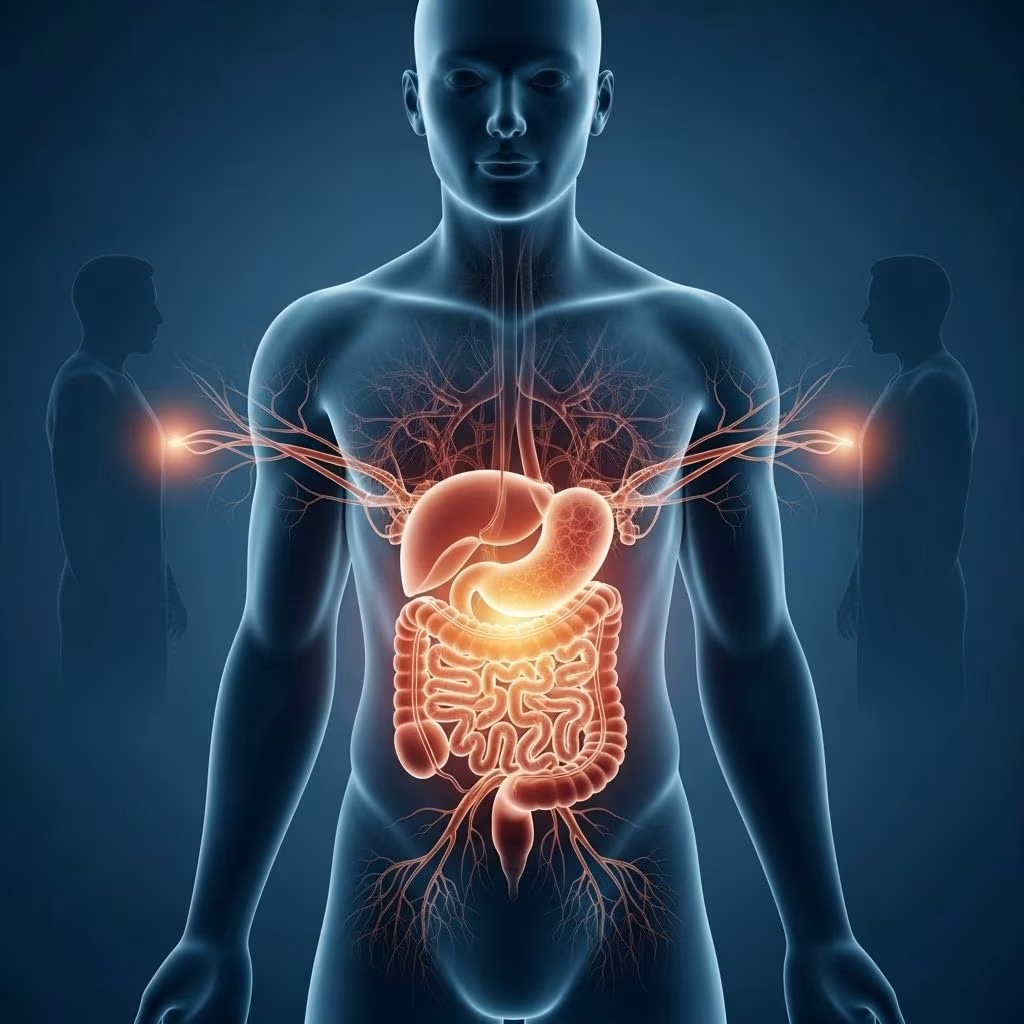
Gut Health and Relationship Hostility: The Hidden Connection
The human body is a complex system where mental and physical health intertwine. Mounting evidence shows that gut health—the state of the digestive tract and its microbiome—can significantly influence not just our physical wellbeing, but our emotional states and interpersonal dynamics. Recent research highlights a remarkable connection between relationship hostility, particularly in married couples, and symptoms of compromised gut health such as inflammation and the phenomenon known as ‘leaky gut’ .
Understanding Gut Health: More Than Digestion
Gut health refers to the optimal functioning of the gastrointestinal tract and the balance of the billions of bacteria, viruses, and fungi that reside in the gut. The gut microbiome plays a key role in digestion, immunity, and even neurological processes that affect mood and behavior. When the gut barrier is impaired, problematic substances like partially digested food and bacteria can seep into the bloodstream—a condition known as leaky gut—triggering inflammation.
- Leaky gut allows bacteria and toxins to enter the blood, activating immune responses .
- Inflammation linked to leaky gut is associated with a range of chronic health issues, including mental health problems.
- A healthy gut is maintained through diet, lifestyle, and managing psychological stress.
What Is Relationship Hostility?
Relationship hostility refers to frequent negative interactions in close relationships, often characterized by criticism, dramatic eye rolls, and persistent conflict. Hostility frequently arises during heated arguments over sensitive topics like finances or in-laws. Such behaviors go beyond mere disagreement—they are markers of deeper distress and are associated with adverse physiological changes.
- Hostility during marital disagreements predicts physiological responses in the body .
- Verbal and non-verbal cues such as sarcasm, criticism, or contempt often signal relationship hostility.
- Hostility in relationships is linked with increased inflammation and poorer physical health.
The Science Linking Hostility and Gut Health
A landmark study conducted by researchers from Ohio State University Wexner Medical Center explored the impact that marital conflict had on gut health. Forty-three healthy married couples participated in controlled discussions on sensitive topics likely to evoke disagreement. Researchers observed, recorded, and analyzed both verbal and non-verbal indicators of hostility. The study found a strong correlation between hostile interactions and elevated biomarkers of leaky gut—a sign that the gut barrier was compromised .
| Hostile Behaviors | Effects on Gut | Biological Markers | Additional Risks |
|---|---|---|---|
| Criticism, eye rolls, contempt | Increased gut permeability | LBP (lipopolysaccharide binding protein), elevated C-reactive protein | Higher inflammation, mental health decline |
| Frequent arguments | Stress-induced changes in gut microbiome | Soluble CD14, other inflammatory markers | Aggravation of depressive symptoms |
The gut-brain axis—the bidirectional system connecting gut function and brain processes—helps explain this phenomenon. Hostility in relationships elevates stress, which activates the sympathetic nervous system. This cascade alters microbial populations and impairs the gut’s barrier functions, allowing more bacteria and toxins to leak into the bloodstream .
Depression, Hostility, and Gut Vulnerability
The study revealed that those with a history of depression experienced even greater physiological distress from hostile marital interactions. For these individuals, leaky gut biomarkers spiked significantly higher after conflicts. Persistent psychological vulnerability and inflammation contributed to a negative feedback loop—depression increased gut permeability, which led to further inflammation and potential declines in mental health .
- Past depression amplifies the impact of relationship hostility on gut and inflammation.
- Elevated inflammatory markers, such as C-reactive protein, suggest risk of illness.
- Psychological distress and physiological inflammation reinforce each other.
Physiological Pathways: How Hostility Becomes Inflammation
Research demonstrates a clear pathway by which relational stress and hostility trigger inflammatory responses through the gut. Activation of the sympathetic nervous system shifts blood flow away from digestive organs, impairs gut functions, and transforms the microbiome. When the gut barrier weakens, substances that should remain within the digestive system—like bacteria and toxins—escape into circulation and incite a systemic immune response, manifested as inflammation .
- Gut barrier is compromised by sustained psychological stress.
- Escape of bacterial fragments into blood activates immune cells.
- Chronic inflammation is linked to physical and mental health decline.
Long-Term Implications for Health and Relationships
Inflammation heightens with age, indicating that the effects of relationship-induced gut damage could become even more pronounced in older adults. The average age of couples in the study was 38, suggesting that the impact may be stronger later in life . Chronic inflammation from persistent leaky gut not only raises risks for physical diseases such as heart disease, diabetes, and autoimmune disorders but can also perpetuate mood disorders, anxious states, and ongoing relationship challenges.
- Older adults are likely at greater risk for inflammation-related complications from marital distress.
- Physical illness and poor mental health may reinforce and aggravate relationship hostility.
- A negative cycle of stress, gut dysfunction, and relational conflict may develop.
Diet, Lifestyle, and Proactive Solutions
One positive takeaway is the role of proactive lifestyle changes in mitigating the negative effects of stress and hostility on gut health. Diets emphasizing lean proteins, healthy fats, fruits, vegetables, and whole grains have been shown to support the gut barrier, reduce inflammation, and enhance emotional resilience. Probiotics may also offer protective benefits by fostering a diverse and balanced microbiome .
- Adopt a diet rich in plant-based foods and healthy fats to support gut integrity.
- Incorporate probiotic-rich foods like yogurt, kefir, and fermented vegetables.
- Practice stress-reduction techniques: meditation, regular exercise, mindful conflict resolution.
- Seek psychological support to manage depression and relational distress.
Signs Your Gut May Be Affected by Relationship Stress
While gut symptoms vary, certain physical and emotional signals may indicate your digestive health is being compromised by stress or conflict:
- Bloating, gas, or changes in bowel habits (constipation, diarrhea)
- Frequent fatigue or brain fog
- Unexplained aches, rashes, or chronic inflammation
- Increased periods of anxiety or depressive episodes
If you notice these symptoms intensifying around times of relational conflict, it may be worth exploring gut-supportive habits and seeking guidance from health professionals.
Gut-Brain-Relationship Wellness Tips
- Foster open, supportive communication in relationships to limit hostility.
- Engage in cooperative conflict resolution strategies that avoid blame and criticism.
- Schedule regular time for stress management and leisure activities together.
- Monitor physical symptoms after arguments and seek medical advice if patterns develop.
Frequently Asked Questions (FAQs)
Q: Can emotional stress really cause physical gut symptoms?
A: Yes, accumulating evidence reveals that psychological stress and conflict in relationships can directly impair the gut barrier, alter microbiome diversity, and activate inflammatory responses .
Q: What is ‘leaky gut’ and why is it a problem?
A: ‘Leaky gut’ describes a condition where the intestinal barrier is compromised, allowing harmful substances to enter the bloodstream and provoke inflammation. It’s associated with a variety of chronic illnesses, especially when triggered by ongoing stress or hostile relationships .
Q: I feel anxious after fighting with my partner. Could this affect my gut?
A: Hostile encounters, especially in close relationships, are linked to increased markers of gut permeability and inflammation. Anxiety and digestive issues may both be outcomes of this physiological stress response .
Q: Are there lifestyle changes that can protect my gut and my relationship?
A: Yes. Shifting toward diets rich in lean proteins, vegetables, whole grains, and healthy fats; increasing probiotic intake; practicing stress- and conflict-management skills; and seeking therapy for mood disorders can significantly bolster resilience for both gut health and relationship satisfaction .
Q: Are some people more vulnerable to these effects than others?
A: Individuals with a history of depression or mood disorders experience even greater impacts from relationship hostility on their gut and general wellbeing . Age and other chronic health factors may also heighten vulnerability.
Key Takeaways for Wellbeing
- Gut health and relationship health are deeply interconnected.
- Hostility in close relationships increases the risk of leaky gut and inflammation.
- Poor gut health can perpetuate psychological distress, creating a cycle of poor wellbeing.
- Diet, lifestyle changes, and stress management offer pathways to break this cycle and improve both physical and emotional health.


