


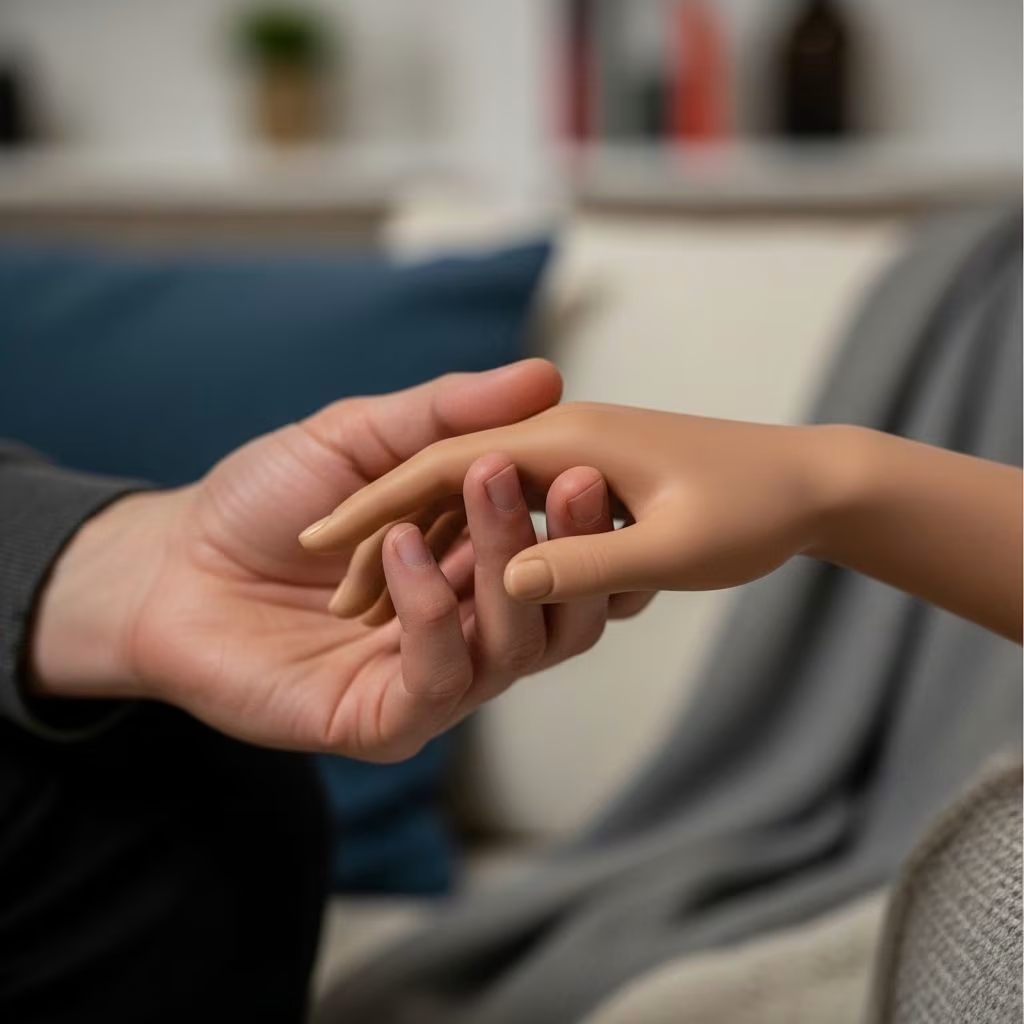
The emergence of sex dolls as sophisticated companions has sparked intense debate about their impact on human relationships and intimacy. As these synthetic partners become increasingly realistic and accessible, they’re reshaping how individuals approach companionship, sexual fulfillment, and emotional connection. Understanding this phenomenon requires examining both the benefits and challenges these artificial companions present to modern relationships.
The Evolution of Synthetic Companionship
Sex dolls have transformed dramatically from simple inflatable novelties to sophisticated companions featuring realistic features, customizable appearances, and advanced materials. This evolution reflects broader societal changes in how people seek connection and intimacy. The modern sex doll industry offers unprecedented customization, allowing individuals to create companions that align with specific preferences and desires.
The technology behind these dolls continues advancing rapidly, with some models incorporating artificial intelligence and responsive features that simulate conversation and interaction. This technological progression has elevated sex dolls from mere sexual devices to what many owners consider legitimate companions capable of providing emotional support alongside physical satisfaction.
Understanding the Appeal of Artificial Partners
Approximately half of sex doll owners report considering their doll as an ideal partner with whom they feel emotionally attached, while others view them primarily as sexual devices. This distinction reveals the complex motivations behind ownership and the varied ways individuals integrate these companions into their lives.
Many individuals turn to sex dolls seeking what they perceive as the perfect partner—one free from the complications inherent in human relationships. These synthetic companions offer constant availability without judgment, complaints, or the risk of abandonment. For individuals struggling with social anxiety, introversion, or low self-esteem, dolls provide a relationship alternative that feels safer and more manageable than pursuing human connections.
The appeal extends beyond convenience to address deeper psychological needs. Owners describe their dolls as providing secure, reliable companionship without the expectations or demands characteristic of human partnerships. This dynamic allows individuals to experience intimacy on their own terms, maintaining control over when they engage and when they prefer solitude.
Impact on Emotional Connection and Intimacy
The relationship between sex doll ownership and emotional intimacy presents a paradox. While these companions can fulfill certain emotional needs, questions arise about whether they enhance or diminish capacity for genuine human connection. Research indicates that forming emotional bonds with sex dolls may either serve as practice for developing social skills or create a comfort zone that reduces motivation to pursue human relationships.
Individuals with avoidant or anxious attachment styles may find particular comfort in doll companionship, using these synthetic partners as sources of security during lonely periods. However, this dynamic raises concerns about whether reliance on artificial companions might reinforce unhealthy attachment patterns or provide therapeutic benefits by offering a safe space for emotional expression.
Sex doll owners who consider themselves in relationships with their dolls report improvements in mental health, emotional attachment to their companions, and reduced attraction to potential human partners. These findings suggest that synthetic companionship can provide genuine psychological benefits for certain individuals, though the long-term implications remain largely unexplored.
Effects on Existing Relationships
When sex dolls enter established partnerships, they introduce complex dynamics that can either enhance or threaten relationship stability. The introduction of a synthetic companion may trigger feelings of neglect, jealousy, or inadequacy in human partners, potentially serving as either a symptom of deeper relationship issues or a catalyst for new conflicts.
Some couples successfully integrate sex dolls into their relationships, using them to explore fantasies or address mismatched libidos without involving third parties. This arrangement requires extensive communication, mutual consent, and clear boundaries to prevent misunderstandings or resentment. When implemented thoughtfully, sex dolls can provide opportunities for sexual exploration that strengthen rather than threaten partnerships.
However, the potential for relationship breakdown increases when one partner invests emotionally or sexually in a doll without adequate discussion with their human partner. The perceived competition between synthetic and human companionship can create significant tension, particularly if the doll-owning partner appears to prefer their artificial companion over genuine human intimacy.
Psychological Implications and Mental Health
The mental health implications of sex doll ownership remain debated among researchers and clinicians. Some individuals report that doll ownership has improved their psychological well-being, providing companionship that alleviates loneliness and reduces anxiety. For people struggling with social connection, these companions offer emotional support without the stress of navigating complex human interactions.
Conversely, concerns exist that relying on synthetic companionship might contribute to social withdrawal and difficulty maintaining human relationships. The question of whether sex dolls provide therapeutic benefits or enable avoidance of necessary social development depends largely on individual circumstances and usage patterns.
No specific mental health conditions are directly associated with sex doll ownership, though individuals with histories of social anxiety or attachment difficulties may be particularly drawn to these companions as coping mechanisms. Understanding whether this represents healthy adaptation or problematic avoidance requires careful consideration of each person’s unique situation and overall functioning.
Social Skills and Interpersonal Development
The relationship between sex doll ownership and social skill development presents contradictory possibilities. For some individuals, dolls may provide a low-pressure environment for practicing interaction and building confidence that eventually transfers to human relationships. This “training wheels” approach to intimacy might help socially anxious individuals gradually develop comfort with closeness and vulnerability.
Alternatively, the ease and predictability of synthetic companionship might reduce motivation to develop the complex skills required for successful human relationships. Real partnerships demand compromise, emotional regulation, conflict resolution, and tolerance for uncertainty—capabilities that cannot be developed through interaction with compliant artificial companions.
The impact on social skills likely varies based on how individuals approach doll ownership. Those who view their dolls as temporary supplements while continuing to pursue human connection may experience different outcomes than individuals who retreat entirely into synthetic relationships as permanent replacements for human intimacy.
Unrealistic Expectations and Relationship Standards
One significant concern regarding sex doll impact involves the potential for developing unrealistic expectations about human partners and relationships. Synthetic companions offer constant availability, unwavering compliance, and customizable appearances—standards impossible for human partners to meet. Extended reliance on these characteristics might skew perceptions of what constitutes healthy relationships.
Owners who consider themselves in relationships with dolls show slightly increased likelihood of objectifying women and expressing hostility toward them, particularly when they anthropomorphize their dolls. While these correlations are weak and don’t establish causation, they suggest potential risks associated with viewing relationships primarily through the lens of physical appearance and compliance rather than mutual respect and partnership.
The freedom that sex dolls provide to explore fantasies without negotiating consent or considering partner preferences represents another area where synthetic companionship diverges significantly from human relationships. While this freedom can be liberating, it may also normalize one-sided sexual interactions that don’t translate appropriately to human partnerships requiring mutual consideration and communication.
Stigma and Social Perception
Sex doll owners face considerable social stigma, with many keeping their relationships with synthetic companions private due to fear of judgment. Owners worry that others will perceive them as sexually deviant or incapable of forming human relationships, leading to social isolation and concealment that may compound existing difficulties with connection.
This stigma reflects broader societal discomfort with non-traditional relationship structures and alternative approaches to intimacy. As synthetic companions become more sophisticated and prevalent, attitudes may evolve, but current owners navigate significant social pressure that affects their willingness to discuss their experiences openly.
The perception gap between how owners view their relationships with dolls and how others interpret these connections creates additional challenges. While many owners emphasize the emotional depth and companionship aspects of their doll relationships, outsiders often focus exclusively on sexual dimensions, dismissing these connections as mere object fetishization rather than legitimate alternative relationship structures.
Gender Dynamics and Objectification Concerns
The sex doll industry primarily caters to heterosexual men seeking female-appearing companions, raising questions about gender dynamics and the objectification of women. Critics argue that realistic female dolls perpetuate harmful attitudes by reducing women to physical attributes and compliance, potentially reinforcing problematic views about gender and relationships.
Research reveals weak links between doll anthropomorphization and both objectification of women and hostility toward them among owners who consider themselves in relationships with their dolls. While these correlations don’t prove causation, they highlight the importance of examining how synthetic companionship might influence attitudes toward real women and gender relations more broadly.
Supporters counter that sex dolls provide harmless outlets for desires and fantasies that might otherwise remain unfulfilled, arguing that synthetic companions cannot perpetuate actual harm against real people. This debate continues as society grapples with the ethical implications of increasingly realistic artificial partners and their potential societal impacts.
The Future of Human-Doll Relationships
As artificial intelligence and robotics continue advancing, sex dolls are evolving into increasingly sophisticated companions capable of conversation, responsiveness, and simulated emotion. This progression raises profound questions about the future of human intimacy and whether synthetic partners might complement or even replace human relationships for growing numbers of people.
Some researchers predict that advanced sex robots could revolutionize relationships, offering customizable companionship that meets individual needs without the compromises required in human partnerships. Others warn that widespread adoption of synthetic companions might erode social bonds and diminish investment in human community and connection.
The trajectory of human-doll relationships will likely depend on technological capabilities, social attitudes, and individual choices about how to balance synthetic and human intimacy in increasingly complex lives. Understanding these dynamics requires ongoing research and thoughtful consideration of both benefits and risks as synthetic companionship becomes more prevalent and sophisticated.
Navigating Sex Dolls in Relationships
For individuals and couples considering incorporating sex dolls into their lives, several key considerations can help navigate this complex terrain successfully:
Communication stands paramount when introducing synthetic companions into existing relationships. Partners must discuss motivations, boundaries, and concerns openly to prevent misunderstandings and ensure both parties feel respected and valued throughout the process.
Self-awareness about motivations helps individuals understand whether doll ownership represents healthy exploration or avoidance of necessary personal growth. Reflecting on whether synthetic companionship enhances or replaces human connection provides valuable insight into its role in overall well-being.
Maintaining human connections alongside doll ownership helps prevent social isolation and ensures continued development of interpersonal skills essential for thriving in human society. Viewing dolls as supplements rather than replacements for human relationships supports healthier integration of synthetic companionship.
Seeking professional support when struggling with social anxiety, attachment difficulties, or relationship challenges can address underlying issues more effectively than relying solely on synthetic companions for emotional needs.
Frequently Asked Questions
Q: Can sex dolls improve mental health?
A: Some individuals report improved mental health through sex doll ownership, experiencing reduced loneliness and increased emotional support. However, outcomes vary significantly based on individual circumstances, with some people finding therapeutic benefits while others may experience increased social withdrawal. The impact depends largely on whether dolls supplement or replace human connection.
Q: Do sex dolls damage real relationships?
A: Sex dolls can either enhance or damage real relationships depending on how they’re integrated. When introduced through open communication with clear boundaries, they may provide opportunities for exploration without threatening partnerships. However, secretive use or emotional investment in dolls over human partners can trigger jealousy, neglect, and relationship breakdown.
Q: Are people who own sex dolls unable to form human relationships?
A: This common stereotype oversimplifies reality. While some owners struggle with social skills or anxiety that makes human relationships challenging, many maintain successful human connections alongside doll ownership. Motivations vary widely, from using dolls as temporary supplements to viewing them as preferred permanent partners.
Q: Do sex dolls create unrealistic expectations about partners?
A: Extended reliance on synthetic companions who offer constant compliance and availability without demands may skew expectations about human relationships. However, the degree of impact depends on individual awareness and whether owners recognize the fundamental differences between artificial and human partnerships.
Q: How do sex dolls affect social skills?
A: The impact on social skills varies by individual. For some, dolls provide low-pressure practice for intimacy that builds confidence transferable to human interactions. For others, the ease of synthetic companionship may reduce motivation to develop complex interpersonal skills required for successful human relationships.
Q: Are sex dolls just sophisticated sex toys?
A: While approximately half of owners view their dolls primarily as sexual devices, the other half reports genuine emotional attachment and considers their dolls as partners or companions. Many owners emphasize that their relationships with dolls extend far beyond sexual function to include emotional support and companionship.
References
- https://dollauthority.com/blogs/news/sex-dolls-and-human-relationships-the-surprising-effects-on-intimacy-and-social-bonds
- https://www.psypost.org/researchers-astonished-by-the-number-of-individuals-who-consider-dolls-to-be-their-ideal-romantic-partner/
- https://dollauthority.com/blogs/news/sex-dolls-and-mental-health-unveiling-the-impact-of-synthetic-companions-on-psychological-well-being
- https://www.sexandpsychology.com/blog/2025/3/5/the-perfect-partner-mens-experiences-with-sex-dolls/
- https://pmc.ncbi.nlm.nih.gov/articles/PMC10903549/
- https://www.psychologytoday.com/us/blog/talking-about-trauma/201901/using-love-dolls-substitute-human-intimacy
- https://www.psychologytoday.com/us/blog/in-the-name-love/202112/why-sex-robots-could-change-our-love-lives


