


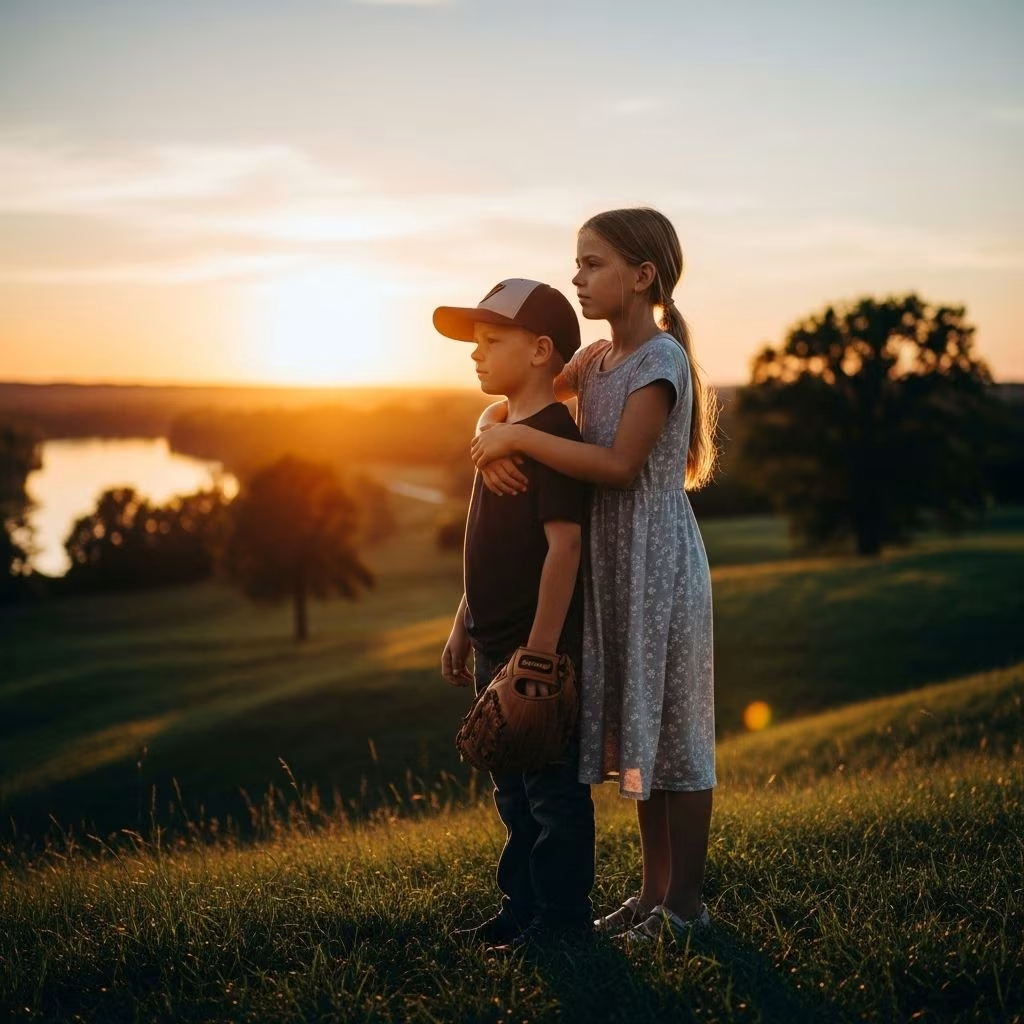
Sibling relationships are among the most formative bonds we experience across our lives. While every sibling dynamic is unique, research and lived experience both point to distinctive differences between the relationships sisters share versus those between brothers or across mixed-gender siblings. These nuances shape not just our childhoods, but our emotional lives, sense of identity, and adult support systems. This article takes an in-depth look at what distinguishes sister-sister, brother-brother, and sister-brother pairs, exploring the emotional undercurrents, developmental impact, and the ways these dynamics evolve across the years.
Understanding the Sibling Connection
The connection between siblings grows out of proximity, shared history, and the need to navigate family terrain together. Psychologists note that siblings are each other’s first social companions, influencing everything from socialization and emotional intelligence to conflict resolution and empathy.
- Early Development: Sibling dynamics teach children how to negotiate, share, compete, and communicate before friendships outside the home are formed.
- Lifelong Bond: Although the intensity may ebb and flow with age, the sibling relationship remains one of the longest—sometimes outlasting parents, partners, and close friends.
Why Gender Matters in Sibling Bonds
Key studies and anecdotal evidence alike indicate that gender combinations significantly shape the warmth, conflict, and support found in sibling relationships. Let’s explore why:
| Pair Type | Noted Characteristics |
|---|---|
| Sister-Sister | Highest warmth, emotional support, open communication |
| Brother-Brother | More activity-based bonding, indirect support, competitive spirit |
| Sister-Brother | A blend: protection, nurturing, shared perspective diversity |
Surveys of adult siblings show that sister-sister pairs tend to enjoy the highest levels of warmth and support, with women often seen as ‘kin keepers’ fostering connection and openness within families. Brothers may bond through shared activities rather than emotional exchange, while mixed-gender pairs benefit from emotional diversity and a broader range of support styles.
What Makes Sister-Sister Relationships Unique?
Sister pairs stand out for their warmth and depth of emotional exchange. According to both research and personal accounts:
- Emotional Openness: Sisters are more likely to share personal concerns, seek and offer advice, and provide emotional comfort to one another.
- Support Across Life Stages: This closeness often intensifies in adulthood, especially in times of family upheaval, health challenges, or while caring for aging parents.
- Conflict Resolution: Sisters may experience more frequent disagreements, but are also quicker to reconcile and turn conflicts into deeper understanding.
Sisters help create a family’s emotional core, keeping siblings in touch and bridging generational divides.
The Psychology of Brother-Brother Bonds
While brother-brother relationships are not usually characterized by the same explicit emotionality as sister pairs, they offer their own unique strengths:
- Shared Activities: Brothers often bond through activities such as sports, games, or shared hobbies.
- Unspoken Solidarity: Emotional support may be conveyed through action rather than conversation—helping each other out during tough times without direct discussion about feelings.
- Rivalry: Competition can be more intense, occasionally fostering conflict but also driving both individuals to greater achievement.
For many men, brotherhood provides a sense of camaraderie that may deepen over time, especially after the turbulence of adolescence fades.
The Special Nature of Brother-Sister Dynamics
Mixed-gender sibling pairs offer a uniquely balanced relationship landscape:
- Protection and Nurturing: Cultural narratives often cast brothers as protectors and sisters as nurturers, but in practice, these roles are increasingly mutual and flexible.
- Exposure to Emotional Diversity: Brothers and sisters introduce each other to differing perspectives, enriching each other’s emotional and social understanding.
- Conflict and Adaptation: Navigating gendered expectations and experiences fosters adaptability and emotional intelligence in both siblings.
Sibling Rivalry: A Source of Growth
No sibling relationship is free from rivalry. In fact, psychologists argue that sibling conflicts are crucial for personal growth:
- Learning to Compete and Cooperate: Regular arguments teach negotiation, accommodation, and healthy boundaries.
- Dealing with Parental Favoritism: Rivalry is often heightened by perceptions of unequal treatment, which can affect well-being and self-esteem well into adulthood.
- Resilience: Early experiences of fighting, making up, and sharing space prepare siblings for more complex social worlds outside the family.
Importantly, these dynamics evolve. What may start as a competition for toys or privileges matures into mutual respect, with both siblings better equipped to deal with life’s challenges.
Shared Nostalgia and the Power of Memory
Nostalgia and shared memory serve as psychological anchors for siblings, regardless of the relationship’s warmth or frequency of contact:
- Oxytocin and Bonding: Neuroscience research reveals that recalling shared childhood events triggers oxytocin, strengthening emotional connection.
- Emotional Anchor: Even siblings who grow apart geographically or emotionally often find stability and comfort in shared family memories, stories, and inside jokes.
- Evolving Traditions: As siblings age, new traditions emerge, often keeping the bond strong or providing opportunities for reconnection.
Siblings Across the Lifespan: Ebb and Flow
It’s common for sibling bonds to change as people move through different phases of life. Here’s how relationships typically shift:
- Childhood: Siblings are constant companions, playmates, and rivals—helping each other navigate early social worlds.
- Adolescence: Conflict often peaks as siblings seek autonomy and forge separate identities. Rivalry and competition can be intense during teenage years.
- Young Adulthood: Many experience drift as jobs, partners, or moving away drives physical and emotional distance.
- Midlife and Beyond: Many adult siblings report rekindled warmth. Research shows that as people age, conflicts diminish and warmth, especially in sister-sister pairs, increases.
While not universal, these patterns reflect how family responsibilities, maturity, and life’s milestones shape sibling dynamics over time.
The Impact of Sibling Relationships on Personal Identity
Much of who we become is shaped by our relationships with siblings. From birth order to gender dynamics, siblings help define aspects of our personality and sense of self:
- Self-Concept: Experiences with siblings often inform our beliefs, confidence, and even romantic relationship patterns later in life.
- Empathy and Social Skills: Growing up with a sibling encourages both competition and care, nurturing vital social skills.
- Gender Role Exploration: Especially in brother-sister pairs, exposure to differing gender norms broadens understanding and tolerance.
Modern Shifts: Redefining Sibling Roles
Contemporary families often challenge traditional sibling roles:
- Mutual Protection: Both brothers and sisters act as protectors and supporters, sharing responsibilities once divided by gender.
- Emotional Labor: The role of maintaining family ties and offering support increasingly falls to all siblings, regardless of gender.
- Support Networks: Siblings are now recognized as important emotional and logistical supports throughout adulthood, not just in childhood.
Potential Sources of Strain and Resilience
Sibling bonds can be both a source of comfort and occasional strain. Key factors include:
- Birth Order: The roles and expectations assigned based on age impact rivalry, support, and personality.
- Family Dynamics: Parental favoritism and differential treatment can have long-term psychological consequences.
- Life Transitions: Marriage, parenthood, loss, and aging often reshape how siblings relate to each other.
Building Stronger Sibling Relationships
Regardless of warmth or history, siblings can intentionally strengthen their connection. Some strategies include:
- Regular Communication: Making time to talk, even about minor events, keeps bonds alive.
- Shared Activities: Engaging in hobbies, traditions, or travel together reignites shared joy.
- Open Conflict Resolution: Addressing hurt feelings or unresolved issues prevents resentment from festering.
- Support During Transition: Being there for each other during major life events forges lifelong solidarity.
Frequently Asked Questions (FAQs)
Q: Why are sister-sister relationships often considered the warmest?
A: Research finds that women, particularly sisters, tend to be more communicative, emotionally open, and supportive of each other throughout life. Sister-sister pairs consistently report the highest warmth and support in adulthood.
Q: Is sibling rivalry always a bad thing?
A: Not necessarily. Moderate rivalry teaches important life skills such as negotiation, conflict resolution, and resilience. However, extreme rivalry or favoritism can affect psychological well-being.
Q: Can siblings become closer in adulthood even if they fought as children?
A: Yes. Many siblings report that maturity, life changes, and shared memories help them grow closer with time, leaving adolescent conflicts behind.
Q: Do brother-brother or brother-sister pairs lack emotional depth compared to sisters?
A: Not necessarily. While brothers may express support differently—often through action rather than words—these bonds can still be deep and meaningful. Mixed-gender pairs benefit from emotional and behavioral diversity.
Q: How can siblings strengthen their bond as adults?
A: Keeping in touch, sharing positive memories, making up after conflict, and supporting one another during life’s milestones are all key ways to nurture adult sibling relationships.
References
- https://pmc.ncbi.nlm.nih.gov/articles/PMC7012710/
- https://sidhharrth.com/the-unique-psychology-behind-brother-sister-relationship/
- https://www.good.is/sibling-relationships-brothers-sisters-closest
- https://www.psychologytoday.com/us/basics/family-dynamics/sibling-relationships
- https://decidetocommit.com/understanding-the-impact-of-birth-order-and-sibling-relationships-on-romantic-relationships/
- https://www.apa.org/news/podcasts/speaking-of-psychology/siblings


