


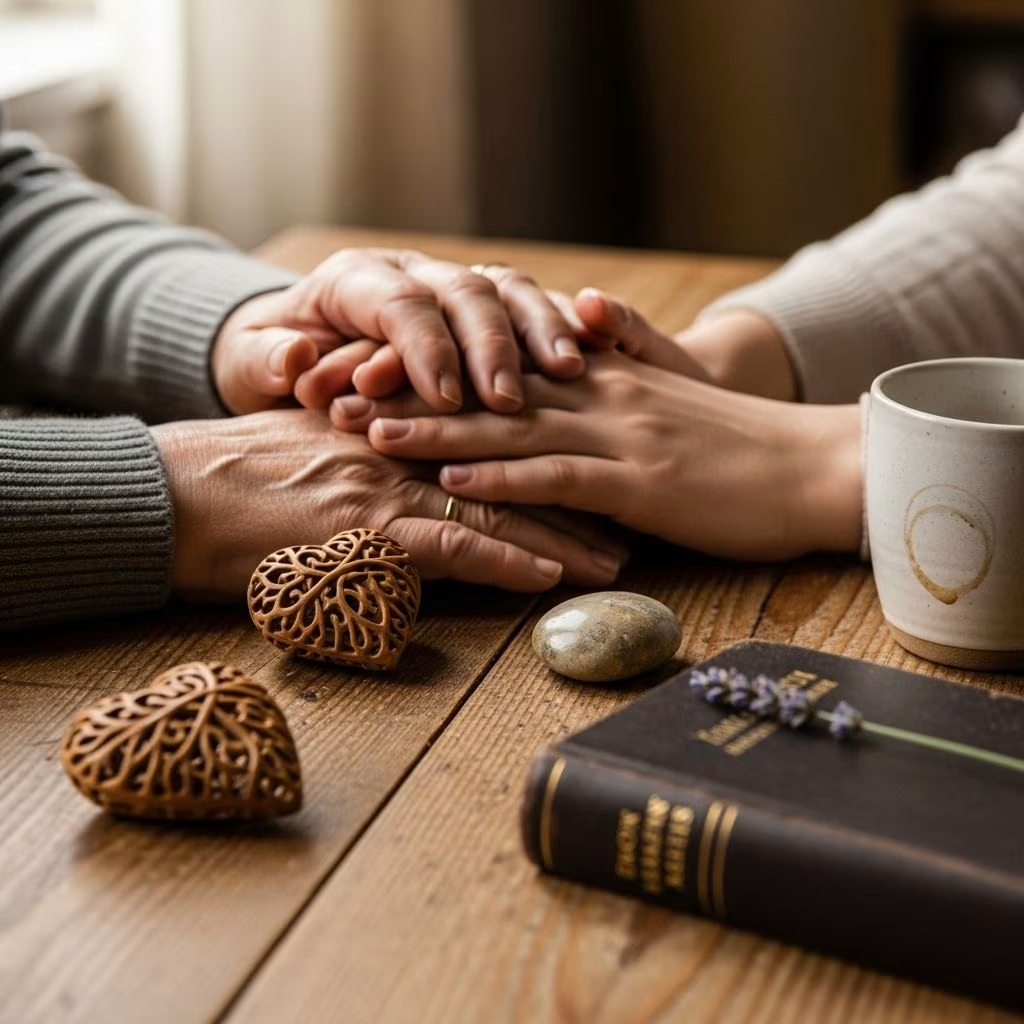
The Little Things That Make Relationships Last
While grand gestures are often celebrated in the world of romance, genuinely lasting relationships are built on the little things: daily acts of kindness, moments of true presence, and a commitment to honest communication. Navigating the everyday realities of partnership isn’t always glamorous, but these moments shape the most meaningful, enduring connections. This article explores practical wisdom, actionable tips, and honest reflections to help you nurture a stronger and more authentic relationship, no matter where you are on your journey.
Why the Little Things Matter
It can be tempting to chase dramatic romance, expecting sweeping thrills and cinematic love stories. In truth, deep satisfaction and connection come from small, intentional acts repeated over time. Being mindful of these moments creates trust, safety, and intimacy.
- Small gestures—letting your partner know you’re thinking of them, a kind note, a gentle squeeze of the hand—accumulate to make your partner feel loved and valued.
- Everyday presence—truly listening, showing up, and sharing the mundane—often matter far more than grand declarations.
- Consistent effort—nurturing the relationship even on ordinary days—lays a foundation for weathering life’s challenges together.
Core Elements of Lasting Intimacy
1. See Your Partner for Who They Truly Are
It’s easy to fall in love with the idea of someone, but real intimacy begins when you recognize your partner as a complex, evolving individual. Instead of projecting your hopes or fears, try:
- Taking time to observe and appreciate who your partner is right now—not just who they were or who you wish them to be.
- Letting go of your narrative and making space for your partner’s unique journey, perspectives, and quirks.
- Having open conversations about personal growth and supporting each other through life’s changes.
2. Be Willing to Learn From Each Other
Your partner can be a mirror—reflecting not just love and support, but also unhealed parts of yourself. Instead of blaming or pointing fingers during conflicts, consider:
- Recognizing which feelings or reactions belong to you and taking responsibility for your emotions.
- Viewing disagreements as opportunities to grow together, rather than battles to win.
- Approaching difficult moments with curiosity: “What is this teaching me about myself or my partner?”
3. Get Comfortable Being Alone
Healthy relationships are made by two whole people, not by seeking another person to fill your emptiness. Learning to be content alone brings security to both partners. Try:
- Setting aside regular solo time to nurture your own interests, passions, and sense of self.
- Resisting the urge to lose your identity in the relationship; celebrate and support one another’s individuality.
- Reminding yourself that being alone from time to time is a strength, not a failing.
4. Look Closely at Why Fights Begin
Avoid falling into cycles of drama just for the sake of making up again. Fights can act as substitutes for real intimacy if left unchecked. To break the pattern:
- Ask yourself, “What fear or unmet need is driving this argument?”
- Examine whether you use conflict to create excitement or reconnect emotionally.
- Commit to addressing issues beneath the surface, rather than battling over symptoms.
Practical Tips to Strengthen Connection
1. Find Wholeness Within Yourself
One of the most liberating truths is that you don’t need another person to be complete. When you nourish your sense of self-worth, you are more capable of giving and receiving love freely.
- Practice self-compassion—acknowledge your strengths and imperfections.
- Engage in reflective activities that help you understand and accept yourself.
- Remember, happiness is an inside job; the more love you cultivate for yourself, the more you have to share.
2. Focus on Yourself Instead of Trying to Change Your Partner
Real love isn’t about molding someone else to fit your expectations. Instead, lead by example and allow each person space to evolve:
- Channel your energy into your own growth and well-being.
- Resist the urge to nag or pressure your partner into adopting your habits or worldview.
- Trust that change, when it happens, is most powerful when it comes from within, not from outside demands.
3. See the Extraordinary in the Ordinary
Everyday life forms the backbone of real relationships. Finding beauty in shared routines—savoring the mundane—makes love last.
- Express gratitude for small, recurring moments: eating together, evening walks, quiet companionship.
- Shift your attention from longing for constant excitement to appreciating the steady presence of your partner.
- Celebrate the ways your daily connections, though simple, foster deep intimacy.
4. Let Go of Conditions and Expectations
Rigid standards and conditions place an impossible burden on relationships. Instead, nurture open acceptance and flexibility:
- Articulate your needs and preferences but be willing to adapt and receive love in unexpected forms.
- Release the belief that love must always look or feel a certain way.
- Practice gratitude for presence and effort rather than perfection.
5. Listen to Understand, Not Just to Reply
Communication skills are the essence of all healthy relationships, yet true listening is rare. To transform how you communicate:
- Give your partner your full attention, putting aside distractions and judgment.
- Listen to understand their unique experience instead of planning your response or rebuttal.
- Practice empathy, patience, and validation—sometimes the greatest gift is simply hearing one another.
Acceptance, Respect, and Compassion: The Heart of Connection
Acceptance of Each Other’s Flaws and Quirks
We all enter relationships as works in progress. Love deepens when you embrace both your own faults and your partner’s peculiarities:
- Admit that perfection is unattainable, and perfectionism is destructive.
- Let go of the compulsion to “fix” your partner—celebrate what makes them uniquely themselves.
- Remind yourself that unconditional love starts with seeing and accepting each other fully.
Respect and Mutual Growth
Long-term relationships thrive on mutual respect and a shared commitment to growth, individually and together:
- Value your partner’s perspectives, aspirations, and boundaries.
- Support personal development, honoring the journey you are both on.
- Trust builds when both partners feel seen, heard, and valued for who they are.
Learning from Each Other’s Reflections
It’s often said that your partner is a mirror. Relationships will bring unhealed wounds and automatic reactions to the surface, and these moments are opportunities for self-awareness and compassion:
- Reflect on what triggers you and where it might stem from—not all pain comes from your partner.
- Ask yourself whether anger or frustration is masking disappointment, fear, or natural vulnerability.
- Approach tough conversations with honesty, compassion, and openness to learning—about yourself as well as your partner.
Frequently Asked Questions (FAQs)
Q: How do I know if my relationship is healthy?
A: Healthy relationships are marked by mutual respect, honest communication, support for individuality, and the ability to navigate disagreements with care and empathy. Look for signs of trust, shared vulnerability, and an ongoing commitment to personal and shared growth.
Q: What if my partner and I argue a lot?
A: Some conflict is normal and even necessary for growth. The key is not the absence of arguments, but how you handle them. Aim to resolve disputes with understanding, avoid blame, and look for the deeper needs or fears beneath surface issues.
Q: Can relationships survive without passion or constant excitement?
A: Yes. While passion can be invigorating, sustainable relationships are grounded in shared values, everyday rituals, trust, and a sense of companionship that often grows richer with time.
Q: Is it possible to change my partner?
A: Meaningful change is an inside job; you cannot force your partner to become someone else. The healthiest approach is to focus on your own growth and boundaries, setting an example and offering loving support if and when your partner chooses to change as well.
Q: What is the most important thing I can do to improve my relationship?
A: Practice compassionate, attentive listening. Make space for both your needs and your partner’s, accept imperfection on both sides, and allow yourself to find wonder in the existence you share.
Summary Table: Relationship Wisdom at a Glance
| Principle | Action | Benefits |
|---|---|---|
| Self-Acceptance | Cultivate self-love and embrace imperfection | Greater security, reduces dependency |
| Open Communication | Listen to understand, share openly | Trust, intimacy, smoother conflict resolution |
| Acceptance of Your Partner | Value quirks, let go of need to change | Deeper connection, genuine appreciation |
| Seeing the Everyday Magic | Appreciate daily moments, express gratitude | Sustained joy, stable connection |
| Personal Growth | Prioritize your own passions and wellness | Mutual support, individual fulfillment |
| Healthy Boundaries | Support independence, honor limits | Prevents resentment, sustains respect |
Nurturing Your Relationship, One Day at a Time
Every meaningful relationship requires attention, patience, and forgiveness—both for your partner and yourself. Commit to small, daily acts of love: a touch, a kind word, a willingness to listen. Allow space for imperfection, trust in the worthiness of both people, and celebrate the magic found in uncomplicated moments together. Building a lasting bond is less about chasing perfection and more about being fully present and real, day after day.
References
- https://tinybuddha.com/blog/10-ways-to-create-a-strong-intimate-relationships/
- https://tinybuddha.com/blog/5-tips-create-loving-relationship-fewer-disappointments/
- https://tinybuddha.com/blog/7-lessons-that-may-help-you-find-a-fulfilling-long-term-relationship/
- https://tinybuddha.com/blog/what-it-means-to-love-9-steps-strong-relationship/
- https://tinybuddha.com/blog/how-to-create-a-healthy-and-lasting-romantic-relationship/
- https://tinybuddha.com/blog/13-insights-about-relationships-that-could-save-you-a-lot-of-pain/
- https://tinybuddha.com/topic/starting-a-new-way-of-approaching-relationships/
- https://tinybuddha.com/blog/5-love-lessons-to-help-your-relationship-thrive/
- https://tinybuddha.com/blog/how-to-keep-the-love-flowing-in-your-relationship/


