


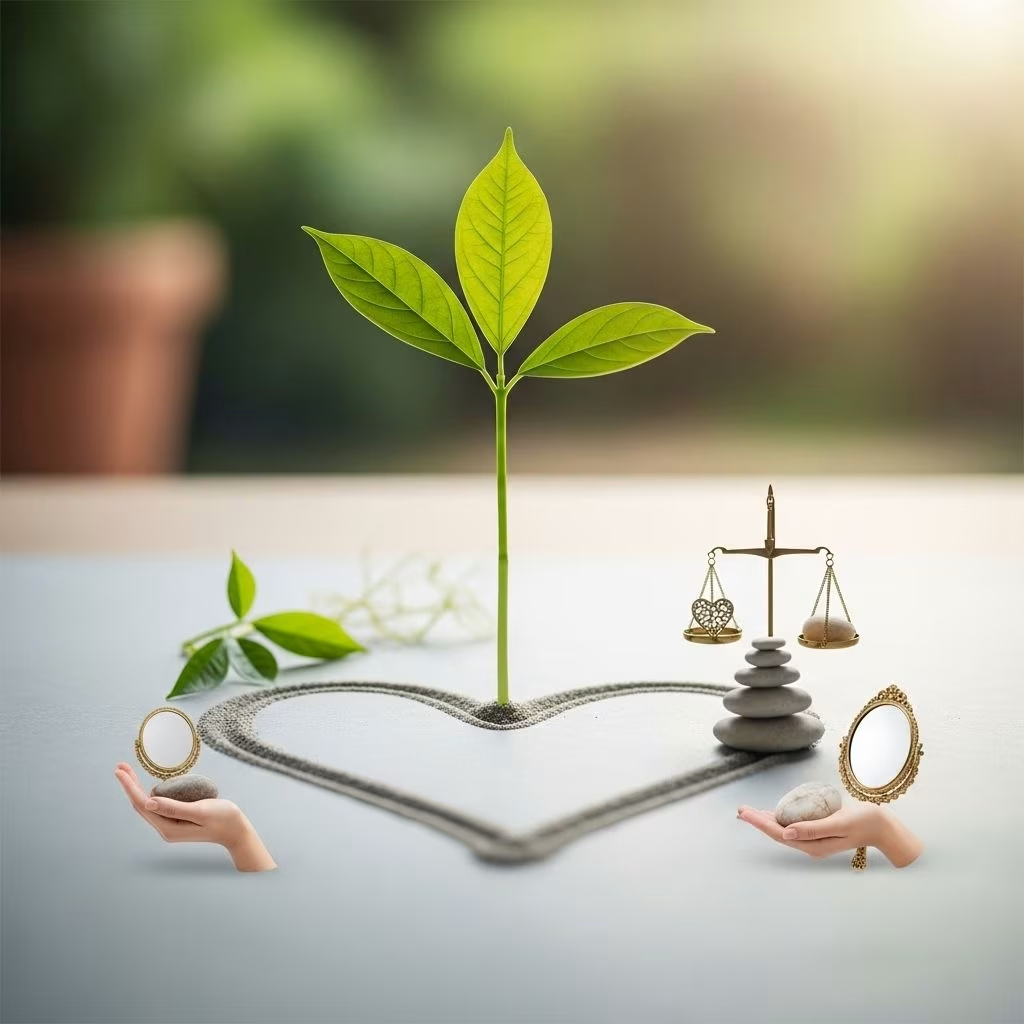
How to Focus on Yourself in a Relationship: Growth, Balance, and Self-Love
Balancing intimacy and individuality in a relationship is often a challenge. While closeness and shared experience are vital to any romantic partnership, maintaining your sense of self is equally crucial for sustaining happiness, self-esteem, and long-term connection. This guide explores why focusing on yourself isn’t selfish, and exactly how to nurture your personal growth, emotional wellness, and healthy boundaries—without pulling away from your partner.
Why It Matters to Focus on Yourself
Relationships can be intoxicating. The rush of new love may shift your priorities, sometimes leading you to forget previous goals, values, or connections. Over time, losing sight of your own identity can cause resentment, reduced self-confidence, and a decline in overall well-being. Instead, nurturing yourself—your interests, friendships, and personal aspirations—benefits both you and your relationship.
- Strengthens self-esteem: Recognizing your accomplishments and personal growth builds inner confidence.
- Enhances relationship satisfaction: Bringing your best self to a partnership increases attraction and respect from both sides.
- Prevents resentment: Keeping your own life means less dependence and greater mutual appreciation.
- Supports mental health: Time alone and self-investment promote emotional well-being.
Prioritizing yourself reflects respect for your own needs, builds resilience, and invites your partner to know—and support—the real you.
Common Myths: Focusing on Yourself Is Not Selfish
There’s a persistent myth that prioritizing yourself in a relationship is self-centered or neglectful. In reality, healthy relationships thrive when both partners maintain their own lives and sense of purpose. Self-care, setting boundaries, and investing in your happiness are essential skills for personal and relational success.
- Myth: “True love means doing everything together.”
- Reality: Happy couples value both shared experiences and individual pursuits.
- Myth: “Focusing on yourself means you don’t care about your partner.”
- Reality: Personal growth and happiness fuel deeper connection and intimacy.
How to Focus on Yourself in a Relationship
Integrating self-focus into your relationship requires intention, communication, and a commitment to your own well-being. Here are actionable steps to help you stay connected to yourself while nurturing your partnership.
1. Embrace Alone Time
Spending time alone is essential for self-discovery, reflection, and personal fulfillment. Without solitude, it’s difficult to know what truly matters to you outside your partner’s influence.
- Schedule regular “me time” for activities you enjoy—reading, walking, creative hobbies, or meditation.
- Use solo moments to clarify your goals and values.
- Communicate to your partner that this time is about personal growth, not distancing.
2. Maintain Your Friendships
Friendships offer support, joy, and perspective beyond your romantic life. Fostering these relationships fuels your emotional wellness and gives you space to grow.
- Stay connected with friends and family independent of your partner.
- Nurture existing relationships and create new ones to prevent isolation.
- Honor commitments to others and encourage your partner to do the same.
| Practice | Benefits |
|---|---|
| Regular phone calls/meet-ups | Stress relief, perspective, emotional support |
| Shared hobbies | Sense of belonging, personal growth |
3. Focus on Personal Growth
Personal growth promotes self-confidence, motivation, and fulfillment. Committing to your own evolution makes you more attractive and brings fresh energy into your relationship.
- Set individual goals and celebrate milestones.
- Pursue learning: enroll in courses, read, develop new skills.
- Experiment with spiritual practices, journaling, or creative outlets.
Remember: Growth benefits both you and your partner, inspiring deeper conversations and mutual admiration.
4. Practice Self-Love and Positive Self-Talk
How you speak to yourself shapes your self-perception and confidence. Embrace self-compassion and challenge negative self-talk.
- Replace criticism with encouragement and gratitude.
- Recognize your strengths and achievements.
- Develop affirmations to reinforce positive beliefs.
5. Set Healthy Boundaries
Boundaries protect your energy, time, and sense of self. They allow for closeness while honoring your independence.
- Identify what you need emotionally, mentally, and physically.
- Communicate your boundaries clearly and respectfully.
- Uphold boundaries without guilt; they’re vital for your well-being.
6. Pursue Your Passions and Interests
Engage in activities that fulfill you, with or without your partner. This might include hobbies, exercise, volunteering, or travel. Pursuing what excites you encourages your partner to do the same and brings vitality into your relationship.
- Make time for solo hobbies and joint explorations.
- Share your experiences with your partner to enrich your conversations.
- Explore new interests regularly—personal fulfillment never ends.
7. Communicate Openly with Your Partner
Strong communication is the bedrock of a healthy relationship. Share your need for personal space and growth, and invite your partner to do the same.
- Express feelings honestly, using “I” statements.
- Negotiate together how to balance couple time and individuality.
- Support each other’s personal goals—we vs. me isn’t a competition.
Overcoming Challenges: Balancing ‘You’, ‘Me’ and ‘We’
Maintaining balance between shared life and independence is an ongoing process. The healthiest relationships support differentiation: each partner feels empowered both as an individual and as part of a couple.
- Prioritize self-care: Eating well, sleeping enough, exercise, and mental health practices support your energy and mood.
- Share responsibilities: Balance couple routines with individual pursuits.
- Stay flexible: Adapt boundaries and routines as your relationship evolves.
Table: Signs of Healthy Self-Focus vs. Over-Investment
| Healthy Self-Focus | Over-Investment |
|---|---|
| Enjoys solo activities | Feels guilty spending time away |
| Supports partner’s independence | Needs constant reassurance |
| Maintains friendships | Neglects friends for partner |
| Communicates openly | Avoids honest conversations |
Tips for Building a Life Outside Your Relationship
- Join clubs, teams, or groups connected to your interests.
- Volunteer or support a cause you care about.
- Set aside time weekly for reflection and personal development.
- Celebrate your individuality as much as your shared relationship.
Remember, the goal isn’t to create distance but to reinforce your authentic self. This encourages deeper emotional intimacy and long-term relationship satisfaction.
Frequently Asked Questions (FAQs)
Q: Is it selfish to focus on myself when I’m in a relationship?
No, focusing on yourself is essential to maintaining your own happiness, self-esteem, and personal growth. Thriving relationships are built on two individually complete and self-loving partners.
Q: How do I communicate my need for alone time without hurting my partner?
Express your intentions lovingly, making clear that alone time supports your relationship, not detracts from it. “I need space to recharge so I can be fully present with you.” Open communication is key.
Q: Can dedicating time to myself improve my relationship?
Yes. Investing in yourself generates confidence, inspires personal growth, and brings fresh energy and perspective into the relationship. Partners who nurture their individuality report higher overall relationship satisfaction.
Q: What if my partner feels threatened by my independence?
Reassure your partner through honest conversation and shared goals. Encourage them to cultivate their own interests and friendships. Healthy independence in both partners builds trust and reduces insecurity.
Q: How do I set boundaries with my partner around personal time?
Identify your needs, communicate them directly, and uphold your boundaries with respect. Invite your partner to share their needs as well, so you both feel supported and understood.
Additional Tips for Thriving Together and Apart
- Prioritize mental health: Seek professional support if you’re struggling to balance relationship and individuality.
- Embrace rituals: Start and end your day with solo routines that bring you joy.
- Practice gratitude: Acknowledge what you appreciate about yourself and your partner.
- Reflect regularly: Check in with your feelings, goals, and boundaries every month.
- Celebrate progress: Recognize growth in both yourself and your relationship.
Conclusion: Authentic Love Begins With You
Focusing on yourself is not about distancing from your partner—it’s about creating a thriving, resilient, and joyful relationship built on two fulfilled individuals. When you nurture your own happiness, growth and interests, you invite deeper connection, honesty, and mutual respect. Invest in yourself, set healthy boundaries, and encourage your partner to do the same: your relationship will flourish as a result.
References
- https://www.betterhelp.com/advice/relations/why-knowing-how-to-focus-on-yourself-in-a-relationship-is-an-essential-skill/
- https://anchorlighttherapy.com/how-focusing-on-yourself-will-improve-your-relationship/
- https://www.oliverdrakefordtherapy.com/post/how-to-focus-on-yourself-in-a-relationship
- https://tinybuddha.com/blog/strong-relationships-stem-self-love-develop/
- https://www.marriage.com/advice/relationship/how-to-focus-on-yourself-in-a-relationship/
- https://www.girlhasamind.com/working-on-yourself-while-in-a-relationship/
- https://movingbeyondyou.org/how-to-focus-on-you/
- https://www.refinery29.com/en-us/how-to-focus-on-yourself


