


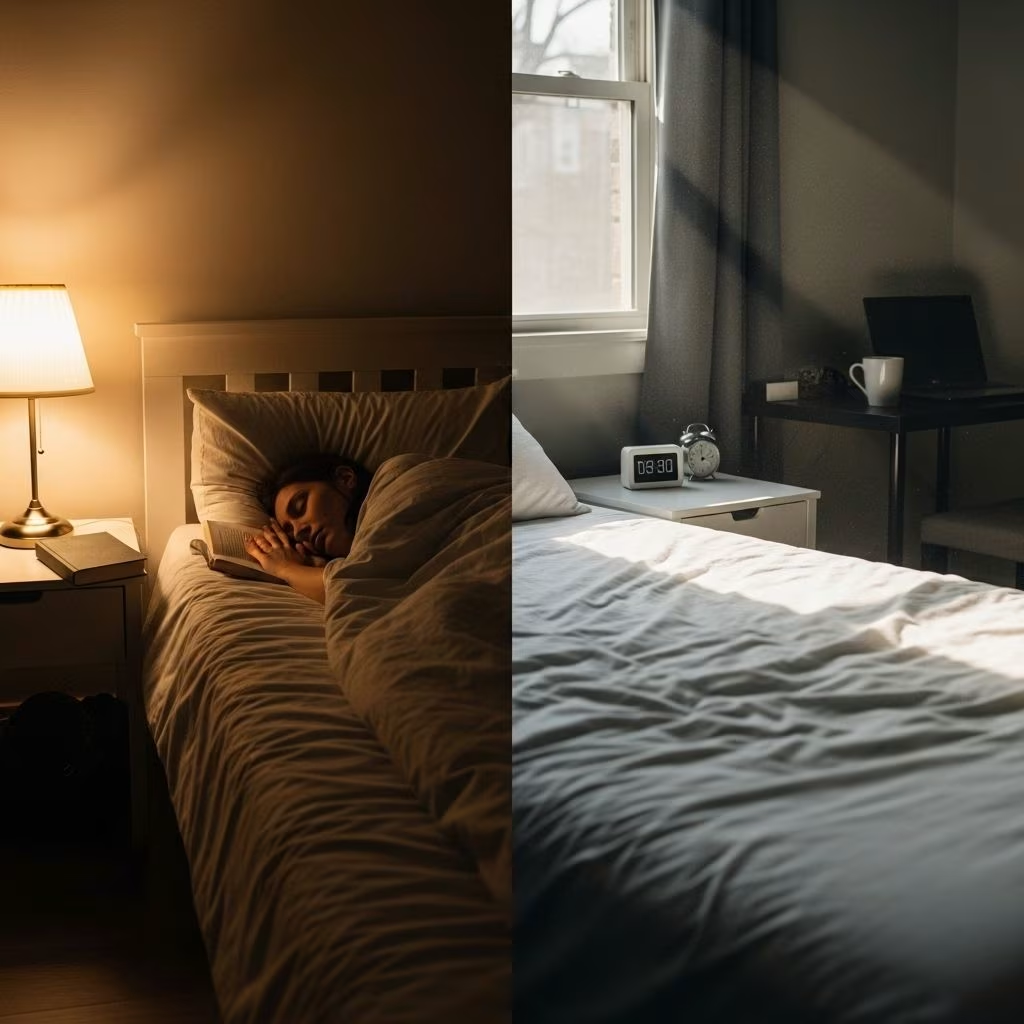
How to Handle Different Sleep Schedules in Your Relationship
When you start sharing your life, and especially your bed, with a partner, few topics are as unexpectedly important as when – and how you both sleep. While the early days of a relationship might involve staying up late for long talks or lazy mornings in bed, real life quickly sets in: work schedules, personal habits, and biological rhythms often result in mismatched sleep schedules. If this sounds familiar, you’re not alone. Many couples navigate these differences and, with the right approach, can even strengthen their connection in the process.
Understanding the Causes of Different Sleep Schedules
There are a variety of reasons why couples find their sleep routines out of sync:
- Biological Chronotypes: Some people are naturally early risers (larks), while others prefer late nights (owls).
- Work and Social Obligations: Shift work, demanding jobs, or nighttime hobbies can mean late bedtimes or early wake-up calls.
- Parenting Duties: Babies, kids, or teens can upend even the best-laid sleep plans.
- Health Issues: Insomnia, sleep disorders, or medical conditions affect when – and how well – someone sleeps.
The Hidden Impact on Relationships
Though mismatched sleep routines may seem like a minor inconvenience, research shows their effects run deep:
- Reduced Intimacy and Satisfaction: Couples with significantly different sleep schedules often report less satisfaction, diminished intimacy, and more conflict.
- Communication Breakdowns: If you’re awake while your partner sleeps, it’s easy to lose out on crucial shared moments — from deep conversations to brief everyday check-ins.
- Resentment and Frustration: Constantly adjusting to your partner’s schedule, or feeling that your needs aren’t met, can breed resentment.
- Poor Sleep Quality: Trying to wind down while your partner is wide awake can disturb both people’s sleep, leading to fatigue and irritability.
Why Being ‘Out of Sync’ Matters
The science of sleep and relationships reveals just how interconnected our rest can be. When couples share a bed, their sleep patterns often synchronize — even minute-to-minute throughout the night! This synchronicity can strengthen connection, but when it’s disrupted, couples tend to report more frequent and intense disagreements.
Key findings from recent sleep research:
- Up to 30% of an individual’s sleep quality is impacted by their partner’s sleep habits.
- Couples with greater sleep synchronization tend to have higher relationship satisfaction.
- Sleep deprivation often leads to increased arguments and lower empathy between partners.
- Sharing a bed is a social norm for many, but there’s no scientific evidence that it guarantees relationship happiness.
The Social Pressures Around Sleeping Together
For many couples, the idea that you should always share a bed runs deep. Social and cultural beliefs portray the marital bed as a vital symbol of intimacy. But ‘bed-sharing’ is not a definitive indicator of relationship health, and sleeping separately isn’t a sign of trouble. In fact, many happy couples opt for what some call a ‘sleep divorce’ to prioritize both partners’ sleep quality.
Strategies for Managing Different Sleep Schedules
The good news? Couples can coexist — and even thrive — with differing sleep routines, provided there’s communication, flexibility, and intentional effort. Here are key strategies to make it work:
1. Open and Honest Communication
The foundation of solving any sleep schedule issue is talking frankly (but kindly) about it:
- Share how your current routines are affecting you — emotionally and physically.
- Listen to your partner’s perspective without judgment.
- Recognize that neither person is ‘right’ or ‘wrong’ for following their natural rhythms.
- Brainstorm solutions together, rather than falling into a pattern of blame.
2. Compromise and Flexibility
Meeting halfway is essential, even if your body clocks seem worlds apart:
- Try adjusting your bedtime or wake-up time in small increments to see if you can overlap more of your sleep hours.
- Identify ‘buffer time’ at night or in the morning for connecting, even if it’s just a few minutes to unwind or chat before one person heads to sleep.
- On weekends or days off, make a ritual out of spending extra time together in bed or over breakfast to create shared moments.
3. Create a Sleep-Friendly Environment
Your shared space can be optimized for both partners’ comfort:
- Invest in blackout curtains, earplugs, or white noise machines to minimize disturbances.
- Designate zones: perhaps one partner reads or listens to music in another room until ready to join the other in bed.
- Consider personalized bedding or mattresses that suit both people.
4. Separate Sleep Spaces (if needed)
Sleeping in separate beds or rooms isn’t a failure; it’s a proactive choice for many couples. Remember:
- The priority is restful sleep for both people, which often leads to a happier daytime relationship.
- If you try separate sleeping arrangements, maintain routines that nurture intimacy in other ways: breakfasts together, nightly talks, or shared downtime.
- Trial periods for separate sleeping can help you both gauge what works best.
5. Prioritize Shared Rituals for Connection
Quality time as a couple doesn’t have to revolve around sleep. Consider:
- Prioritizing hugs, cuddles, or intimate time during shared waking hours.
- Scheduling regular date nights or morning rituals, even if brief, to maintain emotional closeness.
- Communicating affection through notes, texts, or small gestures if schedules rarely align.
6. Respect Each Other’s Sleep Needs
It’s vital to validate your partner’s need for sleep — and advocate for your own:
- Setting boundaries around noise, light, or bedroom use when someone is trying to sleep.
- Encouraging good sleep hygiene practices to maximize rest for both people.
- Agreeing to gently wake each other (or not) depending on individual preferences.
Embracing Solutions That Work for You
Every couple’s dynamic is unique, and what works for one may not suit another. Some thrive on sharing every hour possible; others value independence. The goal is to build a custom routine that respects each person’s needs while keeping the relationship strong.
| Sleep Solution | Pros | Cons |
|---|---|---|
| Adjusting Bedtimes | More shared time; chance to synchronize Can gradually adjust body clocks | Not always possible for shift workers or strong chronotype differences |
| Separate Routines, Same Bed | Maintains physical intimacy Can use sleep aids (mask, earplugs, noise machines) | Potential for disturbing each other |
| Sleeping Separately | Improved rest and individual habits Reduces resentment and fatigue | Social stigma around ‘sleep divorce’ Requires intentional effort for emotional intimacy |
Frequently Asked Questions
Q: Is it ‘normal’ for couples to sleep at different times?
A: Absolutely. Work commitments, parenting, and biological preferences make mismatched sleep routines common. The key is open communication and finding solutions that keep your relationship strong.
Q: Does sleeping apart mean our relationship is in trouble?
A: Not at all. Many happy, healthy couples choose separate sleeping arrangements for better sleep quality. It’s the closeness and quality time when awake that matter more than where you sleep.
Q: What if my partner’s late nights/early mornings disrupt my rest?
A: Openly discuss boundaries, invest in sleep aids like blackout curtains or earplugs, and create pre-bedroom rituals so each person can unwind in their own time.
Q: Can different sleep schedules lead to long-term relationship issues?
A: Without communication, yes — but with compromise, mutual respect, and shared rituals, couples can successfully navigate these challenges.
Q: How can we maintain intimacy if our schedules rarely overlap?
A: Prioritize connecting in other ways: scheduled hugs, conversations, notes, and special time together during waking hours. Get creative and remember: consistent effort matters more than matching bedtimes.
Final Thoughts
Relationships are an ever-evolving blend of habits, preferences, and life circumstances. If you and your partner have different sleep schedules, remember that your bond is defined not by when you sleep, but by how you support and care for each other through those differences. Embrace open dialogue, cultivate connection, and pursue healthy sleep for you both. Your relationship — and your well-being — will benefit for years to come.
References
- https://www.olara.com.au/blogs/lifestyle/sleep-and-relationships-how-different-sleep-patterns-affect-partners
- https://amerisleep.com/blog/cope-partner-different-sleep-routine/
- https://sleepresearchsociety.org/wp-content/uploads/2024/08/Pulling-Back-the-Sheets-Exploring-the-Impact-of-Sleep-on-Couples-Relationships.pdf
- https://www.headspace.com/articles/want-better-relationships
- https://pmc.ncbi.nlm.nih.gov/articles/PMC4434560/
- https://valleysleepcenter.com/when-your-sleep-partner-keeps-a-different-schedule/


