


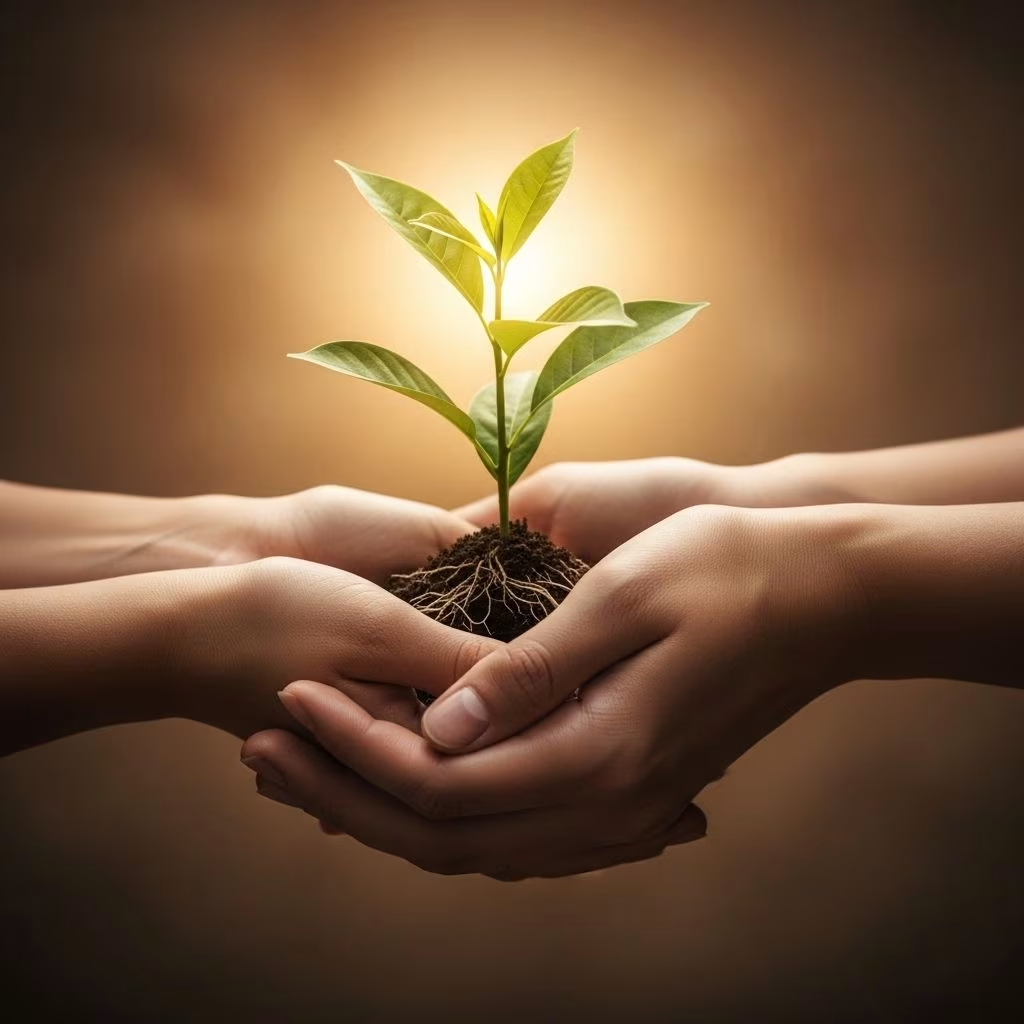
Let Relationships Enrich, Not Eclipse, Who You Are
Human relationships are an essential part of our lives, providing joy, companionship, and support. Yet, in the search for connection, it’s easy to let our sense of self become wrapped up in the people we love. Healthy love should complement our identities—not consume or define them. When relationships become the sole foundation of our identity, we risk losing our individuality, freedom, and true self-worth. Let’s explore the delicate balance between connection and independence, and learn how relationships can truly enrich our lives without eclipsing our authentic selves.
Why We Lose Ourselves in Relationships
Relationships, by their very nature, invite us to open up, connect, and sometimes even merge aspects of our lives with another. However, when the line between complementing and defining becomes blurred, our own boundaries can disappear. It often starts innocently: the comfort of companionship, the rush of new love, or the deepening bond of a lasting relationship. Yet, these bonds can bring an unconscious temptation to:
- Sacrifice individual interests and values to please a partner
- Measure self-worth based on relationship status
- Adopt another’s opinions, preferences, or identity
- Neglect personal growth, passions, or independence
Many of us have felt the pull to become what we think another wants, or to make a relationship the cornerstone of our identity. This is especially true if we’ve ever felt incomplete or unworthy on our own. It’s easy to believe that love from someone else will finally fill an inner void, but this mindset only deepens dependence and devalues our unique self.
The Danger of Letting Relationships Define You
When we allow a relationship—romantic or otherwise—to define who we are, several problems can emerge:
- Loss of individuality: Your goals, values, and dreams may be sacrificed for the sake of the relationship.
- Emotional dependency: Your well-being is dictated by another person’s attention, approval, or affection.
- Fear of abandonment: The thought of being alone becomes unbearable because your sense of self is tied to the presence of another.
- Stunted personal growth: You miss opportunities to learn, evolve, and discover your full potential as an individual.
This over-dependence can eventually breed resentment, insecurity, and anxiety—a far cry from the authentic connection we crave. More importantly, it prevents the very growth that healthy relationships should encourage.
Complementary vs. Defining: The True Purpose of Relationship
Relationships are at their best when two individuals, secure in themselves, come together to share life, love, and growth. In a complementary relationship, each person’s unique identity is enriched—not erased—by their partner. The most nourishing relationships embody these traits:
- Each partner maintains their own interests, friendships, and personal pursuits.
- Boundaries are respected, and individuality is celebrated.
- Differences are honored, not suppressed or ignored.
- Growth is encouraged on both sides: as individuals and as a couple.
Instead of trying to become one indistinguishable unit, both people flourish—together and apart. The relationship becomes a sacred space where each can safely explore, express, and expand, rather than a trap of dependency or loss of self.
Root Causes: Why We Struggle to Maintain Identity
The struggle to remain authentic in relationships is rarely about the partnership itself. Instead, it often points to old wounds, unmet needs, or patterns learned early in life. Some key sources include:
- Low self-worth: Believing we are only “enough” if loved or chosen by someone else.
- Past conditioning: Learning as children to please others for safety or acceptance, putting other’s needs ahead of our own.
- Cultural narratives: Societal pressures that celebrate self-sacrifice or the merging of identities as the ideal of romance.
- Fear of rejection: Thinking that standing out or disagreeing will mean losing love or being abandoned.
Acknowledging these patterns is the first step in reclaiming your individual identity. Healing happens when you turn inward to nurture self-worth, releasing the belief that you must earn or perform for love.
How to Create a Relationship That Complements Your Identity
Fostering connections rooted in mutual respect and individuality is both an art and a commitment. Use these guiding principles to ensure your relationships enrich who you are, rather than eclipse your core:
- Practice self-awareness.
- Regularly check in with your feelings, needs, and boundaries.
- Notice when you’re shifting your identity or compromising values just to fit in.
- Nurture self-love.
- Develop a strong sense of worth that isn’t reliant on external validation.
- Celebrate your interests, passions, and uniqueness outside of your relationships.
- Respect boundaries—yours and theirs.
- Healthy boundaries foster trust and prevent enmeshment.
- Communicate openly about your needs and respect your partner’s autonomy.
- Encourage personal growth.
- Support each other’s individual dreams and goals.
- Allow space for solitude and independent reflection.
- Embrace open communication.
- Share your evolving needs and feelings honestly, even if they’re difficult.
Red Flags: Signs Your Relationship Is Consuming Your Identity
It can be tricky to recognize when a relationship has crossed from complementary to consuming. Here are some warning signs:
- You feel anxious or guilty when pursuing activities alone
- Your preferences and opinions start mirroring your partner’s—even when they differ from your own
- You dread spending time alone or fear being single
- You constantly seek your partner’s approval before making decisions
- Your friendships and outside relationships have faded or disappeared
- You compromise on your core values to avoid conflict or maintain harmony
If you notice these behaviors, gently investigate their root and consider seeking support—whether through therapy, self-reflection, or open dialogue with your partner.
The Gifts of an Authentic Relationship
When love is rooted in individuality, both partners experience profound benefits:
- Mutual inspiration: Each person brings fresh energy and new perspectives.
- Deeper intimacy: Vulnerability and honesty flourish when you’re loved for your real self.
- Freedom and trust: Security grows when both partners feel free to be themselves.
- Joyful growth: Exploration—both apart and together—keeps the relationship dynamic and alive.
Through this, relationships become a platform for creative collaboration, spiritual partnership, and shared adventure, rather than a cage or an escape from self.
Practical Steps to Reclaim Yourself in Relationships
- Take regular alone time. Use solitude to check in with your desires, recharge, and reconnect with your values.
- Create personal rituals. Engage in activities—reading, exercise, hobbies—that feed your sense of self, regardless of your partner’s involvement.
- Set clear boundaries. Practice saying “no” kindly. Express your wishes clearly rather than simply going along to keep peace.
- Reflect on your patterns. Ask yourself:
- Am I shrinking to fit into someone else’s life?
- Do I chase approval, or do I operate from inner worth?
- Seek outside support. Whether through friends, mentors, or therapists, engaging with people beyond your primary relationship helps reinforce your autonomy.
Case Study: Balancing Identity in Love
| Scenario | Defining Relationship | Complementary Relationship |
|---|---|---|
| Making career choices | Choices dictated by partner’s ambitions or opinions, self-doubt about personal aptitude. | Each encourages the other’s career dreams; mutual support, independent exploration. |
| Handling conflict | Suppressing truthful feelings to avoid upsetting the relationship dynamic. | Openly expressing differences; using conflict as growth opportunities. |
| Friendship maintenance | Neglecting outside friendships to spend exclusive time with partner. | Maintaining and valuing friendships outside the relationship. |
| Pursuing passions | Abandoning personal hobbies if partner isn’t interested. | Continuing to nurture personal interests and inviting partner’s support. |
Embracing Inner Wholeness: The Foundation of Complementary Love
All truly nourishing relationships draw from an inner wellspring of self-awareness and self-acceptance. The more you honor your authentic needs, values, and dreams, the less likely you are to become lost or defined by external attachments. Seek partnership not as a way to complete yourself, but as a way to celebrate and expand the wholeness you already possess. That is where love can truly be free—enriching, supportive, and ever-evolving.
Frequently Asked Questions (FAQs)
Q: How can I tell if I’m losing myself in a relationship?
A: Common signs include neglecting your interests, prioritizing a partner’s opinions over your own, isolating from friends or family, and feeling anxious at the thought of being alone. Healthy relationships should expand your sense of self, not limit it.
Q: Can you maintain individuality and still have deep intimacy?
A: Absolutely. True intimacy grows from honesty and authenticity. The more each person shows up as their real self, the deeper the trust and connection.
Q: What should I do if my partner resists my desire for more autonomy?
A: Open communication is vital. Share your feelings directly, clarify that your need for space is not a rejection, and invite collaborative boundary-setting. If your partner cannot respect your boundaries over time, it may signal deeper incompatibility.
Q: Are boundaries selfish in relationships?
A: No. Boundaries are healthy expressions of self-respect and foster trust. They sustain individuality, prevent resentment, and allow true connection to flourish.
Key Takeaways
- Let relationships complement, not define, your identity.
- Prioritize self-awareness, personal growth, and healthy boundaries.
- Recognize and heal patterns of emotional dependence.
- Foster communication and mutual respect for lasting, enriching connection.
References
- https://tinybuddha.com/blog/i-spent-years-chasing-love-until-i-finally-chose-myself/
- https://tinybuddha.com/blog/identity-crisis-when-you-arent-sure-who-you-are-and-how-you-fit-in/
- https://tinybuddha.com/blog/letting-go-of-our-past-identities-when-its-time-to-move-on-and-evolve/
- https://tinybuddha.com/blog/relationships-should-complement-our-identities-not-define-them/
- https://tinybuddha.com/category/blog/love-relationships-blog/
- https://tinybuddha.com/blog/overcoming-codependency-break-cycle-unhealthy-relationships/
- https://tinybuddha.com/blog/how-to-create-a-healthy-and-lasting-romantic-relationship/
- https://tinybuddha.com/blog/13-insights-about-relationships-that-could-save-you-a-lot-of-pain/
- https://tinybuddha.com/blog/stop-over-depending-on-others-cut-puppet-strings-and-be-real/
- https://tinybuddha.com/blog/finding-love-now-without-searching-for-it/


