


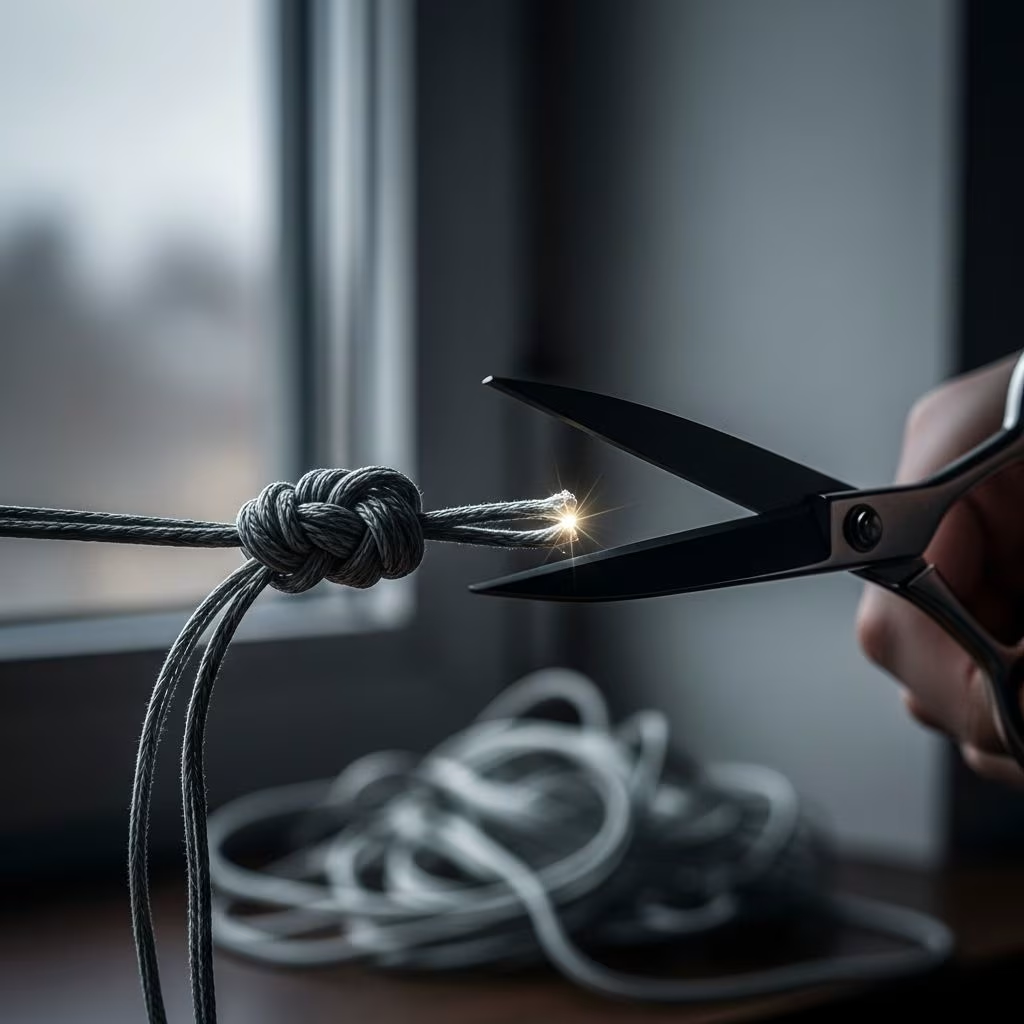
Understanding Toxic Relationships
Toxic relationships can be insidious, often starting innocently before evolving into harmful dynamics. These relationships can come in many forms, involving family members, friends, romantic partners, or even colleagues. Recognizing the signs of a toxic relationship is crucial for your emotional and sometimes physical health.
Signs may include constant criticism, manipulation, emotional abuse, lack of respect, or a sense of being trapped. If you find yourself regularly feeling drained, anxious, or unhappy in a relationship, it could be toxic.
Why You Are Allowed to Terminate Toxic Relationships
Terminating a toxic relationship is not only allowed but often necessary for your well-being. You don’t owe anyone an explanation for choosing to walk away from relationships that hurt you. Prioritizing your health and happiness is essential, and surrounding yourself with love and support is vital for personal growth.
Setting boundaries or taking breaks might not be enough; sometimes, complete separation is the best option. This decision should be based on your emotional safety and the potential impact on your life and that of others around you, such as children.
Recognizing When It’s Time to Leave
Deciding when to leave a toxic relationship can be difficult, but there are clear signs to look out for:
- Trust Your Instincts: If something doesn’t feel right, it probably isn’t. Listen to that inner voice telling you that you deserve better.
- Pay Attention to Your Emotions: Continuously feeling unhappy, drained, or anxious is a red flag. Your emotional well-being should always be a top priority.
- Look for Patterns of Behavior: If the other person’s actions are consistently harmful and there’s no willingness to change, it may be time to leave.
Steps to Ending a Toxic Relationship
Ending a toxic relationship involves several steps that can help you transition smoothly and focus on healing:
- Accept Your Decision: It’s okay to acknowledge that a relationship is toxic and that you need to move on. Own your decision and understand that it’s for your own good.
- Seek Support: Surround yourself with friends, family, or a therapist who can provide emotional support and guidance.
- Plan for Safety: If the relationship involves physical harm or risk, plan a safe exit strategy.
- Focus on Self-Care: Prioritize activities that promote your emotional and physical health.
Redefining Your Life After a Toxic Relationship
After leaving a toxic relationship, it’s essential to focus on rediscovering yourself and creating a more fulfilling life:
- Reflect on Your Experiences: Understand what you learned from the relationship and how it has shaped you.
- Engage in Self-Discovery: Explore your interests, values, and goals to rediscover your identity outside the relationship.
- Build New Connections: Gradually form new relationships with people who support and uplift you.
Expressing Your Feelings
Writing a letter, even if you don’t intend to send it, can be therapeutic. It allows you to process your feelings and gain closure.
Clearing Your Physical Space
Ridding your environment of reminders of the toxic relationship can help you heal and move forward.
Healing and Growth
The journey after leaving a toxic relationship is one of growth and healing. It’s about embracing your strength and resilience, learning to trust yourself, and finding happiness in a healthier environment.
Frequently Asked Questions (FAQs)
Q: What are the signs of a toxic relationship?
Signs include constant criticism, manipulation, emotional abuse, lack of respect, or feeling trapped. If you regularly feel drained or unhappy, it might be toxic.
Q: How do I know if I should end a toxic relationship?
Trust your instincts, pay attention to your emotions, and look for patterns of harmful behavior. If these signs persist, it may be time to leave.
Q: What should I do after leaving a toxic relationship?
Focus on self-care, seek support, and engage in activities that promote healing and personal growth. Rediscover your interests and values to build a fulfilling life.
Q: How can I ensure my safety during the process of leaving a toxic relationship?
Plan a safe exit strategy, especially if the relationship involves physical risk. Reach out to trusted friends, family, or local support services for help.
Q: Is it okay to end a relationship if it involves family members?
Yes, it’s okay to set boundaries or limit contact with toxic family members if necessary. Prioritize your emotional well-being and safety.
References
- https://tinybuddha.com/blog/dealing-with-toxic-relationships-and-finding-emotional-freedom/
- https://tinybuddha.com/blog/escaping-a-toxic-relationship-my-intuition-was-right-all-along/
- https://tinybuddha.com/fun-and-inspiring/allowed-terminate-toxic-relationships/
- https://tinybuddha.com/blog/how-to-recognize-a-toxic-relationship-and-know-when-its-time-to-leave/
- https://tinybuddha.com/blog/letting-go-of-unhealthy-relationships-and-rediscovering-yourself/
- https://tinybuddha.com/blog/4-lessons-i-learned-from-leaving-a-toxic-relationship/
- https://tinybuddha.com/blog/how-being-in-a-toxic-relationship-changed-my-life-for-the-better/


