


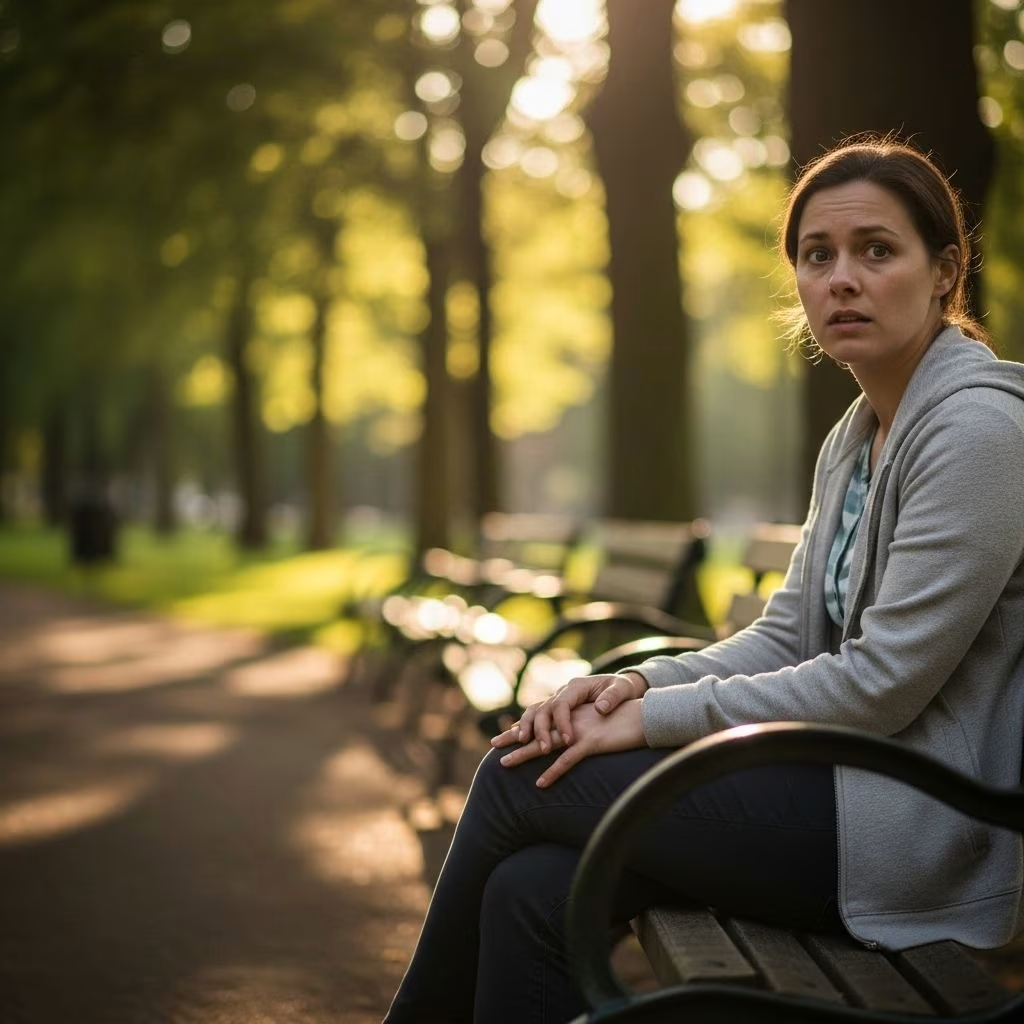
In a world where dating apps dominate social interactions and relationship milestones seem to define our twenties and thirties, admitting you’ve never been in a relationship can feel like confessing to a secret inadequacy. The truth is, more people than you realize find themselves in this exact situation, wondering how to navigate the inevitable conversation about their romantic past—or lack thereof. Whether you’re in your twenties, thirties, or beyond, your relationship history is simply one chapter of your story, not the entire book.
The anxiety surrounding this conversation often stems from societal expectations rather than any genuine shortcoming. We’re conditioned to believe that everyone should have a relationship resume by a certain age, complete with lessons learned and experiences gained. But the reality is far more nuanced, and your unique journey doesn’t make you any less ready, capable, or deserving of love.
Understanding Why It Feels Difficult
Before diving into how to have this conversation, it’s important to understand why it feels so challenging in the first place. The discomfort around discussing a lack of relationship experience often comes from internalized shame and societal pressures that suggest something must be wrong with you if you haven’t been in a relationship by a certain age.
Social media amplifies these feelings, constantly bombarding us with carefully curated images of seemingly perfect couples and relationship milestones. Friends getting engaged, married, or moving in together can trigger feelings of being left behind. These external pressures can make you feel like an outlier, even though statistics show that increasing numbers of people are choosing to focus on personal growth, career development, and self-discovery before entering serious relationships.
The fear of judgment is real, but it’s often far worse in our imagination than in reality. Most mature, emotionally intelligent people understand that everyone’s path is different. The right person for you won’t see your lack of relationship experience as a red flag but rather as a blank canvas—an opportunity to build something meaningful together without the baggage of complicated past relationships.
Reframing Your Perspective
The first step in confidently discussing your relationship history is changing how you view it yourself. Your lack of relationship experience isn’t a deficit that needs explaining or apologizing for—it’s simply a fact about your life journey. Many people who have never been in relationships have rich, fulfilling lives filled with meaningful friendships, successful careers, passionate hobbies, and personal achievements.
Consider the alternative perspective: while others were navigating messy breakups, toxic relationships, and emotional turmoil, you were building yourself into the person you are today. You’ve had the freedom to explore your interests, develop your identity independent of a partner, and learn who you are without the influence of a romantic relationship shaping your choices and priorities.
This doesn’t mean relationships are inherently negative or that you’re somehow better off for not having had one. Rather, it means your path has been different, and different doesn’t mean wrong. You’ve likely developed strong independence, self-sufficiency, and a clear sense of what you want in life—qualities that make you an excellent partner when the right person comes along.
When to Have the Conversation
Timing matters when it comes to disclosing your relationship history. You don’t need to announce it on a first date or treat it like breaking news. This information should come up naturally as you get to know someone and the relationship progresses toward something more serious.
Typically, conversations about past relationships arise organically after you’ve been on several dates and are beginning to explore the possibility of exclusivity. When someone asks about your past relationships or dating history, that’s your opening to be honest. Forcing the conversation too early can make it seem like a bigger deal than it actually is, while waiting too long might feel like you’re hiding something.
Pay attention to the flow of conversation. If your date starts sharing stories about their exes or asking questions about your romantic past, that’s a natural segue. The key is to be authentic without making it the centerpiece of your interaction. Your lack of relationship experience is one detail among many things that make you who you are—not the defining characteristic of your entire identity.
How to Frame the Conversation
When the moment arrives to discuss your relationship history, confidence and casualness are your best allies. The way you present this information will largely determine how it’s received. If you approach it with shame, embarrassment, or excessive explanation, the other person may pick up on that energy and wonder if there’s cause for concern.
Instead, be matter-of-fact and brief in your initial disclosure. You might say something like: “I actually haven’t been in a serious relationship before. I’ve been focused on building my career and personal growth, and I’m excited to explore this connection with you.” This approach acknowledges the fact without dwelling on it or making it seem like a confession of wrongdoing.
Another effective approach is to focus on the positive aspects of your choice or circumstances: “I’ve always been selective about who I spend my time with romantically. I haven’t found the right connection until now, and I’m really glad I waited.” This frames your experience as intentional rather than accidental, emphasizing quality over quantity.
Avoid over-explaining or listing reasons why you haven’t been in a relationship unless asked. Launching into a lengthy justification can signal insecurity and make the other person wonder if there’s more to the story. Keep it simple, honest, and forward-looking rather than dwelling on the past.
Addressing Common Concerns and Questions
Once you’ve shared this information, the other person may have questions or concerns. Being prepared for common responses can help you navigate this conversation with grace and confidence. Remember that their questions usually come from genuine curiosity rather than judgment.
They might wonder why you’ve never been in a relationship. A simple, honest answer works best here: perhaps you were focused on education or career, you had high standards and didn’t want to settle, you were working on personal development, or you simply hadn’t met the right person. Whatever your truth is, own it without apologizing for it.
Some people might express concern about your lack of experience, worrying that you don’t know what you want or how to be in a relationship. Address this by emphasizing the emotional maturity, self-awareness, and relationship skills you’ve developed through friendships, family relationships, and self-reflection. Being in a romantic relationship isn’t the only way to learn about communication, compromise, and commitment.
If someone seems genuinely troubled by your lack of relationship experience, that’s valuable information about their compatibility with you. The right person will see your unique journey as interesting rather than concerning, and they’ll be excited to explore this new territory together with you.
What Not to Do
Just as important as knowing what to say is understanding what to avoid. Certain approaches can undermine your confidence and make the conversation more awkward than it needs to be.
Don’t apologize for your relationship history. Saying “I’m sorry I’ve never been in a relationship” frames it as something wrong or deficient. You have nothing to apologize for—your journey is valid exactly as it is.
Don’t make self-deprecating jokes about being undateable, unwanted, or somehow defective. Humor can be a defense mechanism, but putting yourself down will only make the other person question your self-esteem and wonder if there’s truth to your jokes.
Don’t lie or exaggerate. Some people are tempted to embellish their experience or imply they’ve had relationships when they haven’t. This always backfires eventually, and starting a relationship with dishonesty sets a terrible foundation.
Don’t overshare about why you haven’t been in relationships, especially if those reasons involve trauma, mental health struggles, or deeply personal issues. While honesty is important, there’s a time and place for vulnerable disclosures, and early dating typically isn’t it.
Don’t expect the other person to be your teacher or guide. While you may lack relationship experience, you’re still an equal partner. Avoid putting them in a position where they feel responsible for teaching you how relationships work or carrying extra emotional labor.
Building Confidence Before the Conversation
The best way to have this conversation confidently is to genuinely believe what you’re saying. Before you find yourself in a situation where you need to discuss your relationship history, do the internal work to accept and embrace your journey.
Reflect on the positive aspects of not having been in relationships. Maybe you’ve avoided heartbreak, toxic dynamics, or settling for someone wrong for you. Perhaps you’ve had the freedom to travel, pursue education, change careers, or explore interests that a relationship might have complicated. These aren’t consolation prizes—they’re legitimate benefits of your particular path.
Work on building your self-worth independent of relationship status. Engage in activities that make you feel confident and capable. Cultivate strong friendships, pursue meaningful work, develop your interests, and create a life you love. When you know your worth isn’t tied to having a romantic partner, discussing your relationship history becomes much easier.
Consider talking to a therapist or counselor if you carry significant shame or anxiety about never having been in a relationship. Professional support can help you process these feelings and develop healthier perspectives before entering the dating world.
Understanding Different Reactions
People will respond to your disclosure in various ways, and understanding the spectrum of reactions can help you feel prepared and less anxious about the conversation.
Positive curiosity is one of the best reactions you can hope for. Some people will find your lack of relationship experience intriguing or refreshing. They may see it as an opportunity to build something together without the complications of past relationship baggage.
Neutral acceptance is also common among emotionally mature people. They’ll acknowledge the information, perhaps ask a clarifying question or two, and then move on because they understand it doesn’t fundamentally change who you are or your compatibility.
Concerned questioning might come from people who are genuinely trying to understand your situation better. They’re not necessarily judging you, but they want to ensure they understand your experience and what it means for a potential relationship together.
Negative judgment is the reaction most people fear, but it’s actually quite rare among the kind of people you’d want to date anyway. If someone reacts with mockery, harsh judgment, or outright rejection based solely on your lack of relationship experience, they’ve done you a favor by revealing their character early.
The Benefits of Your Unique Position
While it might not always feel like it, never having been in a relationship before comes with genuine advantages that are worth recognizing and potentially mentioning if the conversation goes deeper.
You don’t carry baggage from past relationships—no unresolved trust issues, no comparisons to exes, no lingering feelings for people from your past. You come into a new relationship with a clean slate, able to be fully present with your partner.
You’ve had time to develop a strong sense of self. Many people who’ve been in multiple relationships struggle with codependency or defining themselves through their partners. You’ve had the opportunity to become comfortable with yourself and know who you are independent of a romantic relationship.
You can bring fresh perspective and enthusiasm to experiencing relationship milestones for the first time. While this doesn’t mean you’re naive, it does mean you won’t be jaded or cynical about love and relationships in the way some people become after difficult breakups.
You’ve likely developed strong independence and self-sufficiency. You know how to handle life on your own, which makes you a more complete and less needy partner when you do enter a relationship.
Moving Forward After the Conversation
Once you’ve had the conversation about never having been in a relationship, the most important thing is to move forward naturally. Don’t let this disclosure become the defining factor in your dating dynamic going forward.
Continue being authentic and present in your interactions. Show up as yourself—the person they’ve been getting to know—not as someone who’s now hyper-conscious of their lack of experience. The best relationships develop when both people can be genuine and comfortable.
Be open to learning and growing, but maintain your sense of equality in the relationship. Yes, you may be experiencing certain things for the first time, but that doesn’t make you less valuable or knowledgeable than your partner. Everyone brings different experiences and strengths to a relationship.
Communicate openly about your needs, boundaries, and feelings as the relationship develops. Your lack of relationship experience doesn’t mean you can’t advocate for yourself or know what feels right and wrong in the dynamic you’re building together.
Trust yourself. You’ve navigated life successfully this far without a romantic partner, and you have more relationship skills than you probably give yourself credit for. The emotional intelligence required for strong friendships, family relationships, and professional connections translates directly to romantic relationships.
Frequently Asked Questions
Q: Is never having been in a relationship a red flag?
A: No, it’s not inherently a red flag. While some people might have never been in relationships due to problematic issues, many others simply had different priorities, high standards, or hadn’t met the right person. Context matters, and emotionally mature people understand that everyone’s journey is different.
Q: Should I tell someone I’ve never been in a relationship on the first date?
A: Generally, no. Unless it comes up naturally, there’s no need to disclose this information immediately. Wait until you’ve been on several dates and the relationship is progressing toward something more serious. Bringing it up too early can make it seem like a bigger issue than it is.
Q: What if someone rejects me because I’ve never been in a relationship?
A: If someone rejects you solely based on your lack of relationship experience, they’re not the right person for you. This reveals their values and priorities, and you deserve someone who appreciates your unique journey and sees you as a complete person regardless of your romantic history.
Q: How do I gain relationship experience if no one wants to date someone inexperienced?
A: This is a common fear, but it’s largely unfounded. Many people are perfectly willing to date someone who hasn’t been in relationships before. Focus on being your authentic self, working on your confidence, and putting yourself in situations where you can meet compatible people. The right person won’t view your inexperience as a dealbreaker.
Q: Will I be bad at relationships because I’ve never had one?
A: Not necessarily. While you may be unfamiliar with certain relationship dynamics, you’ve likely developed important skills through other relationships in your life. Communication, empathy, compromise, and emotional intelligence aren’t exclusive to romantic relationships. You’ll learn as you go, just like everyone else does.
Q: Should I practice dating with people I’m not serious about to gain experience?
A: Only if you’re transparent about your intentions. Leading people on just to gain experience is unfair and can hurt others. If you want to date casually to become more comfortable with dating in general, be honest about what you’re looking for so everyone involved has appropriate expectations.


