


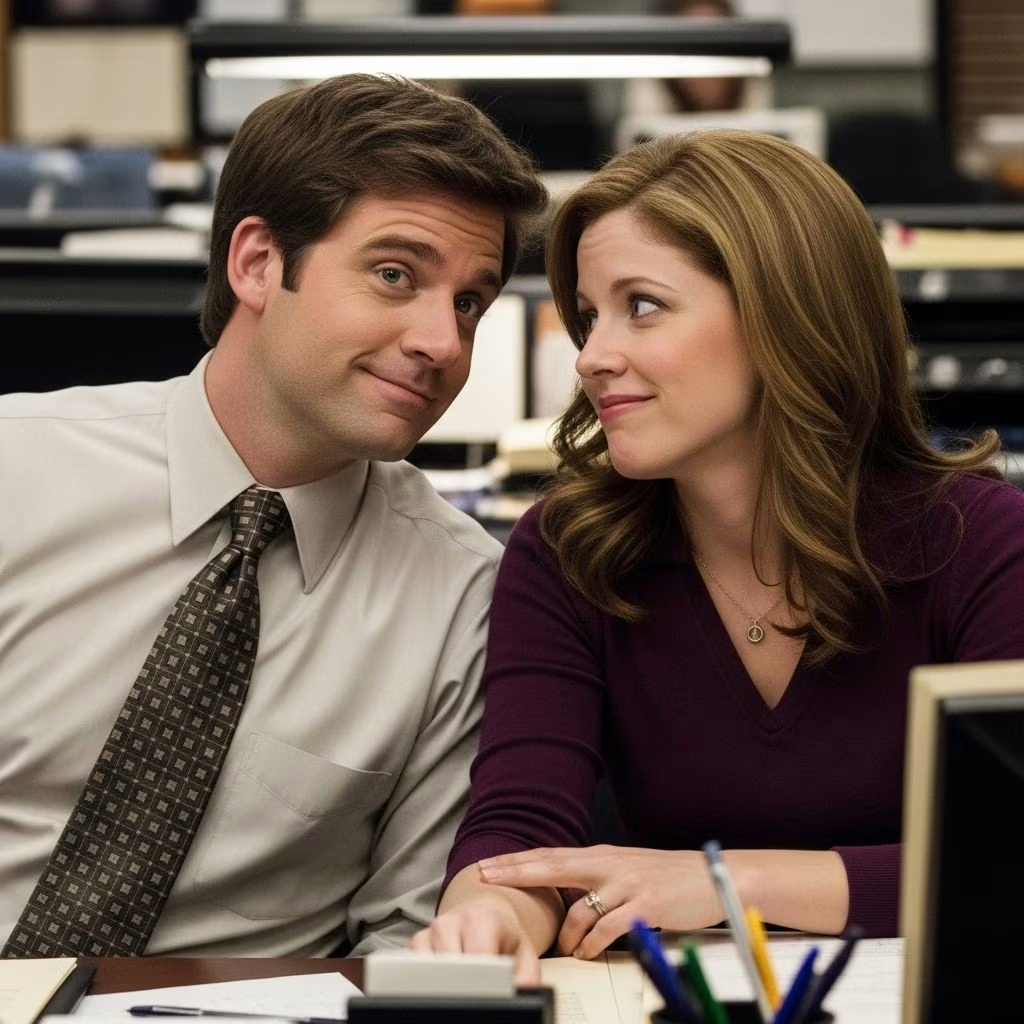
Jim And Pam: Why ‘The Office’ Set Realistic Relationship Goals
When it comes to onscreen couples, few have captured hearts and sparked as many conversations as Jim Halpert and Pam Beesly from NBC’s The Office. Their relationship, spanning the show’s nine seasons, resonated by highlighting the earnest, sometimes awkward, yet deeply rewarding aspects of falling in love with your best friend. Here is a comprehensive look into why Jim and Pam remain enduring icons of relationship goals.
Finding Love in Ordinary Spaces
Set against the backdrop of monotony in a Scranton paper supply office, Jim and Pam’s love story unfolds not through grand declarations, but in subtle glances, private jokes, and moments of mutual support. Their engagement, inside jokes, and shared pranks brought warmth and authenticity to an otherwise dreary environment. They showed that love can thrive in the most uninspiring circumstances when it’s rooted in genuine friendship and respect.
Why Jim and Pam’s Romance Stands Out
- Realistic depictions of romance grounded in simple acts and everyday life, not extravagant dates or unrealistic passion.
- Long-term friendship as a foundation, giving their romance emotional depth and stability.
- Humor and lightness that sustain intimacy, from teasing pranks to inside jokes.
- A willingness to address problems and grow, even when faced with uncertainty and hardship.
The Stages of Jim and Pam’s Journey
Season 1–2: The Build-Up
The early seasons focused on innocent crushes and burgeoning friendship. Jim’s unrequited affection for Pam was both heartwarming and relatable, as he found small ways to connect with her despite her engagement to Roy. Key moments like gifting her a teapot filled with memories or sharing rooftop conversations showcased the depth of their bond before romance entered the picture.
- Casino Night Kiss: The Season 2 finale marked a turning point when Jim, unable to deny his feelings, confessed his love to Pam. Their kiss was a watershed moment, making viewers root for their happiness.
Season 3: Distance and Growth
The aftermath of the confession led to distance, with Jim transferring to the Stamford branch to avoid emotional pain. Meanwhile, Pam broke off her engagement, starting a journey of self-discovery. This separation period allowed each character personal growth and tested the strength of their connection, further underlining the realism of their relationship arc.
- Painful new beginnings, with both dating other people and feeling each other’s absence.
- Pivotal reunions and honest confessions in episodes like “Beach Games,” paving the way for a fresh start together.
Season 4–5: Together at Last
When Jim and Pam finally got together, the show shifted from slow-burn tension to the joys and challenges of established commitment. Viewers saw their relationship blossom through engagement, wedding plans, and supporting each other’s ambitions. Rather than relying on drama for drama’s sake, the series continued to celebrate their friendship, humor, and unwavering partnership through major life events.
- Moving through career ambitions, long-distance challenges, and family planning.
- Their iconic proposal at a gas station: heartfelt, understated, and perfectly representative of their story.
Season 6–9: Real-World Challenges
The final seasons featured their struggles as working parents and partners juggling aspirations, doubts, and fears. Jim’s business venture in Philadelphia, which led to physical and emotional distance, put their marriage to the test. The honest portrayal of arguments, miscommunications, and vulnerability gave viewers a mirror for their own relationships.
- Arguments about priorities, sacrifices, and balancing dreams.
- Reconciliation through open dialogue and small gestures that reaffirmed their love.
Key Elements Behind Their ‘Relationship Goals’ Status
- Friendship First: Jim and Pam’s love story is built on genuine friendship. Years of working together fostered trust, empathy, and deep understanding, providing a rock-solid foundation.
- Mutual Respect: Even during disagreements, they treated each other’s dreams, fears, and emotions with care.
- Communication: Their willingness to talk openly and honestly—especially during trying times—showed that healthy conflict is possible.
- Playfulness & Humor: Their shared sense of humor lightened stressful moments, demonstrating that laughter is vital for intimacy and resilience.
- Shared Values: They were aligned on essential life questions, whether about career, marriage, or parenthood, allowing them to face challenges together.
- Growth & Evolution: Each partner supported the other’s evolution, from Pam’s journey to confidence to Jim’s professional risks.
Lessons From Jim and Pam’s Relationship
1. Love is in the Details
Jim and Pam’s relationship wasn’t about sweeping gestures. Instead, their romance shined in the small things: sharing glances across desks, collaborating on jokes, and celebrating each other’s quirks. Their most famous gifts—like the teapot filled with tiny tokens—had personal meaning that transcended material value.
2. Perfection Is a Myth
Unlike many TV romances, Jim and Pam’s journey was not perfect. They faced jealousy, career tensions, insecurity, and even moments of emotional distance. These flaws did not diminish their love; they made it more believable, echoing real-life relationships where knowledge, patience, and forgiveness are constantly tested.
3. Growth Is an Ongoing Process
Both characters changed and matured throughout the series—Pam, from shy receptionist to confident artist and mother; Jim, from jokester to committed partner and entrepreneurial father. Their willingness to embrace one another’s evolution, as well as their own, prevented their relationship from stagnating.
4. Trust and Vulnerability Matter
Some of the pair’s most touching moments came when they were vulnerable: Jim confessing his feelings, Pam opening up about her dreams, or both acknowledging marital troubles. These admissions required mutual trust, a lesson in the importance of emotional safety.
5. The Power of Laughter
Laughter was a constant thread—whether in pranking Dwight, trading witty remarks, or making light of the menialities of office life. Shared humor kept them connected, even when circumstances were tough, and fostered resilience through life’s ups and downs.
When Love Gets Hard: Addressing the Flaws
Jim and Pam are often praised as model partners, but their relationship is not without criticism. In later seasons, emotional distance and poor communication highlighted how even seemingly perfect couples are tested by stress and change. For instance:
- Jim’s Philadelphia job created tension as he focused on his personal dreams while Pam felt isolated.
- Misunderstandings and lack of support brought them to emotional low points.
However, the show did not shy away from these issues, instead offering a realistic portrayal of problem-solving and reconciliation. Through patience, humility, and honesty, Jim and Pam worked through their problems, reminding viewers that growth is achieved by facing—not avoiding—conflict.
Comparing Jim & Pam With Michael’s Romances
| Couple | Key Traits | Outcome/Comment |
|---|---|---|
| Jim & Pam | Friendship-based, mutual respect, open communication | Healthy, supportive, navigated highs and lows successfully |
| Michael & Jan | Imbalance of power, poor boundaries, frequent manipulation | Toxic, driven by conflict and insecurity, ultimately failed |
| Michael & Holly | Fun, honest, healthy communication, mutual support | Enduring, positive, and supportive—another example of a healthier office romance |
Real-Life Lessons From ‘The Office’
- Love grows from kindness and familiarity, not perfection.
- Workplace romances can succeed—with clear boundaries and mature communication.
- Conflict is inevitable, but so is recovery if both partners are willing to learn and adapt.
- Shared laughter and mutual dreams are the glue that keeps love strong through the mundane and the extraordinary.
Cultural Impact
Jim and Pam’s love story left a cultural legacy far beyond television. Their journey inspired countless memes, social media discourses, and even real-life proposals modeled after Jim’s understated gas station engagement. Fans often cite their relationship as an ideal—not because it’s flawless, but because it’s attainable and authentic. The couple illustrated that the truest form of relationship goals is loving each other fully, even in life’s grayest cubicles.
Frequently Asked Questions (FAQs)
Q: What made Jim and Pam’s relationship different from typical TV romances?
A: Jim and Pam’s romance was rooted in years of genuine friendship, mutual respect, and gentle humor. Unlike many TV couples, their relationship didn’t depend on melodrama or constant breakups, but on support, good communication, and growth.
Q: Did Jim and Pam ever break up?
A: Technically, Jim and Pam didn’t have any official breakups after they got together. They experienced periods of distance and stress—particularly with Jim’s new job in Philadelphia—but remained committed to working things out together.
Q: Were all office romances in The Office healthy?
A: No. Michael and Jan’s relationship was especially unhealthy, marked by power struggles and manipulation. Michael’s later relationship with Holly, however, was a healthier office romance, thanks to transparency and respect.
Q: Why do so many people consider Jim and Pam to be relationship goals?
A: Fans view Jim and Pam as relationship goals because of their honest communication, deep friendship, ability to laugh together, and commitment during both good and bad times. Their journey reflects real-world relationships more than fairytale romances.
Q: What is one lesson viewers should take from Jim and Pam’s story?
A: Authenticity wins. Embrace imperfection, prioritize open communication, and cherish the small moments—they’re the foundation for a love that can weather any storm.
References
- https://nowandme.com/blog/jim-and-pam-the-office-best-relationship
- https://www.thatlovepodcast.com/post/the-evolution-of-jim-and-pam-an-ultimate-love-story-in-the-office
- https://www.businessinsider.com/relationship-lessons-you-can-learn-from-the-office
- https://screenrant.com/the-office-jim-pam-good-relationship-toxic/
- https://robert4181.wordpress.com/2016/07/23/jim-pam-an-analysis-on-my-favorite-tv-couple/
- https://www.psychologytoday.com/us/blog/elegant-arguments/202204/the-science-behind-why-we-love-the-office
- https://www.refinery29.com/en-us/2017/02/141978/the-office-jim-pam-relationship-goals


