


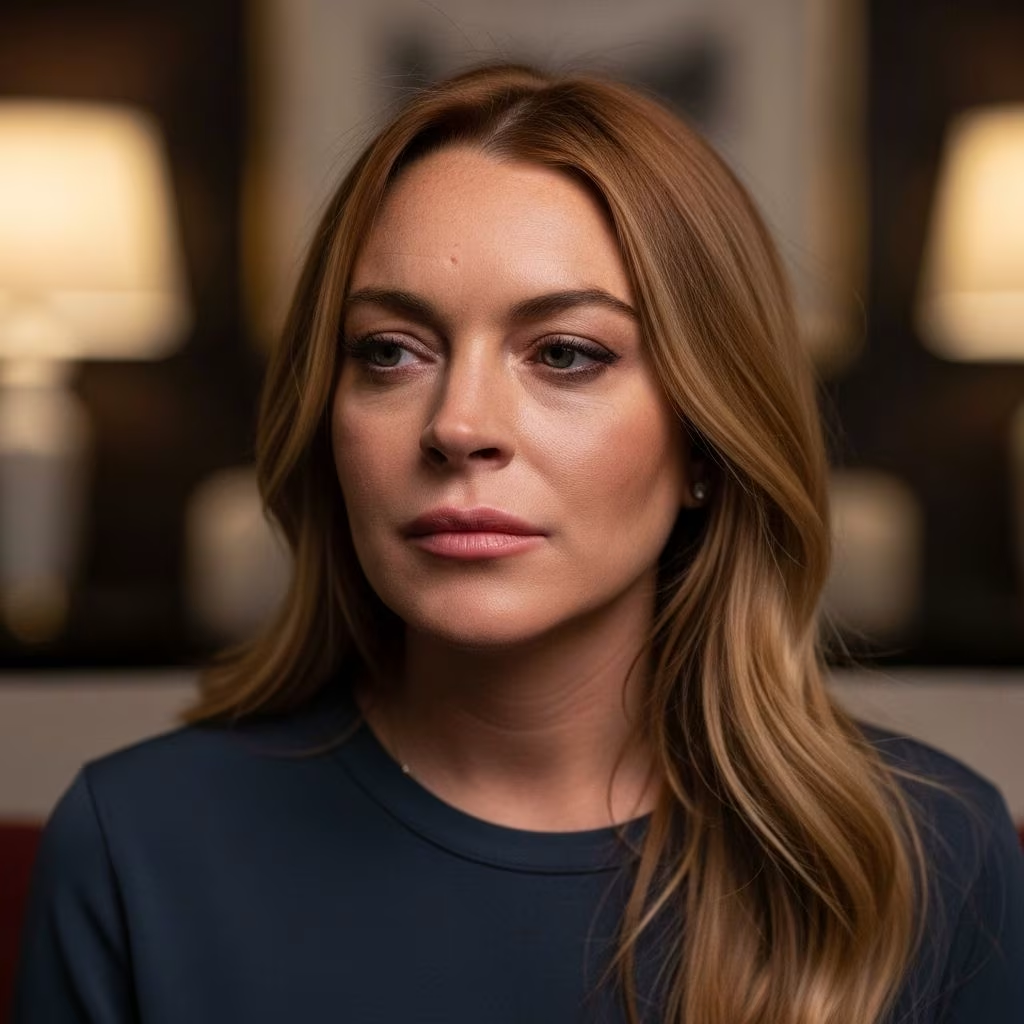
Lindsay Lohan’s journey through Hollywood has been marked by extraordinary highs and devastating lows, but perhaps none more troubling than her relationship with Russian businessman Egor Tarabasov. The actress, who captured hearts as a child star in films like The Parent Trap and Mean Girls, found herself at the center of another media storm when details of her tumultuous engagement emerged in the public eye.
The relationship between Lohan and Tarabasov, which began with promise and ended in alleged violence, became a subject of intense scrutiny during 2016 and 2017. What transpired between the couple raised serious questions about domestic violence, public perception of abuse victims, and the challenges celebrities face when speaking out about private trauma in an increasingly connected world.
The Beginning of a Controversial Romance
Lindsay Lohan and Egor Tarabasov’s relationship began during a period when the actress was attempting to rebuild her life and career. Tarabasov, a young Russian businessman who was 22 at the time, seemed like an unexpected match for the then-30-year-old star. The eight-year age difference raised eyebrows from the start, but the couple appeared committed to making their relationship work despite public skepticism.
The engagement came relatively quickly, with Lohan announcing their plans to marry. Social media posts from that period showed what appeared to be a happy couple, with Lohan frequently sharing photos and updates about their life together. However, behind the carefully curated Instagram posts, a much darker reality was allegedly unfolding.
When Private Struggles Became Public Knowledge
The façade of happiness shattered dramatically when disturbing videos surfaced showing what appeared to be violent altercations between Lohan and Tarabasov. The footage, which was published by British tabloid The Sun, showed a distressing scene on a beach in Mykonos, Greece. In the videos, Lohan could be heard making serious accusations against her then-fiancé, claiming he had physically harmed her.
One particularly harrowing incident involved neighbors calling the police after witnessing what they described as a violent confrontation. Lohan allegedly told responding officers that Tarabasov had strangled her and that she feared for her life, stating he had “almost killed” her. Despite the severity of these allegations and the existence of video evidence, no criminal charges were ultimately filed.
The public nature of these incidents placed Lohan in an impossible position. The same media that had documented her struggles with substance abuse and legal troubles now had footage of what appeared to be domestic violence. Yet instead of universal sympathy, Lohan faced skepticism and victim-blaming from many quarters.
Breaking the Silence: Lohan’s Decision to Speak Out
Following the public exposure of the alleged abuse, Lindsay Lohan made the difficult decision to speak directly to the press about her experiences. In an interview with the Mail on Sunday in August 2016, she explained her motivation for going public: “I wanted to do this interview because it’s time to tell the truth. There have been so many lies printed about me recently. I’ve kept quiet for so long but now I’m scared of what Egor might do to me and to himself.”
This statement revealed the complex emotional territory Lohan was navigating. She expressed fear not only for her own safety but also concern for Tarabasov’s wellbeing, a pattern common among abuse survivors who often feel conflicted about their abusers. The actress was attempting to reclaim her narrative while simultaneously processing trauma and facing public judgment.
Lohan also addressed the frustrating reality that many abuse survivors face: the need for evidence to be believed. “It’s not the first time. That’s the problem. But this time, someone saw,” she told the publication, referencing the fact that the beach incident had been witnessed and recorded. Her words highlighted a painful truth about domestic violence cases—that without proof, victims are often dismissed or doubted, but even when evidence exists, it’s sometimes still insufficient to change public perception or legal outcomes.
The Pattern of Public Relationship Drama
The Lohan-Tarabasov relationship played out across social media platforms in ways that many observers found concerning. Lohan posted a video of Tarabasov with a caption accusing him of infidelity, stating “he cheated on me with hooker.” There were also pregnancy rumors that Lohan claimed were being spread by her own father, Michael Lohan, adding family dysfunction to an already volatile situation.
These public displays led many to dismiss the relationship as simply another chapter in Lohan’s well-documented personal struggles. The actress’s history of public conflicts, substance abuse issues, and erratic behavior on social media made it easier for critics to write off her accusations as attention-seeking or the product of instability rather than genuine cries for help from an abuse victim.
This response exemplifies a troubling double standard: when victims don’t fit a certain mold or have complicated pasts, their experiences of abuse are often minimized or ignored. Lohan’s celebrity status and previous controversies became weapons used against her credibility rather than factors that warranted additional concern and support.
The Aftermath and Lasting Impact
In subsequent interviews, Lindsay Lohan reflected on the lessons she learned from her relationship with Tarabasov. Speaking to The Times in 2018, she revealed how the alleged assault in Mykonos had been a turning point in her life. “I realize now you can’t stay in a relationship just for love. No woman can be hit and stay with that person if that person isn’t prepared to say sorry,” she stated, demonstrating growth and understanding about the dynamics of abusive relationships.
The actress’s willingness to discuss her experiences represented an important step in her healing process. However, her journey was complicated by another controversial moment in 2017, when she posted Instagram stories that appeared to defend Harvey Weinstein amid sexual assault allegations against the producer. In those posts, Lohan stated that Weinstein had never harmed her and that she felt “very bad” for him, suggesting that accusers should report to “relevant authorities” rather than the media.
The backlash was swift and severe, with many pointing out the hypocrisy of her stance given her own recent experiences. Lohan later clarified her position, stating she was “saddened” by the allegations against Weinstein, but the damage to her credibility as an advocate for abuse survivors had been done.
A Cry for Recognition and Support
Perhaps the most revealing moment came when Lohan edited an Instagram post that initially read: “Whatever anyone says, I am FOR #womenempowerment as if most women in America cared how I was abused by my exfiancé… when not one person stood up for me while he was abusing me… you could only imagine what it feels like to come out as a #strongwoman.”
This raw statement exposed the hurt Lohan felt at the lack of support she received during her relationship with Tarabasov. While the #MeToo movement was gaining momentum and countless women were being celebrated for speaking out about abuse and harassment, Lohan felt her own experiences had been largely ignored or dismissed. Her edited caption, which removed the references to feeling unsupported, suggested either regret at exposing her vulnerability or pressure to maintain a more polished public image.
Actress Rose McGowan, one of Harvey Weinstein’s most vocal accusers, offered some compassion for Lohan’s complicated responses, urging her followers to “go easy” on the actress and noting that “being a child actor turned sex symbol twists the brain in ways you can’t comprehend.” This observation highlighted the unique pressures and traumas that child stars face, which can impact their ability to process and respond to adult experiences of abuse.
Understanding Why Her Story Was Dismissed
Several factors contributed to the public’s muted response to Lindsay Lohan’s allegations against Egor Tarabasov. Her well-documented struggles with addiction and legal issues had created a narrative of instability that preceded these allegations. When someone has been painted as unreliable or attention-seeking, their credible claims of abuse are often met with skepticism rather than support.
The age difference between Lohan and Tarabasov also played a role in how their relationship was perceived. At 22, Tarabasov was easily dismissed as a “boy toy” rather than taken seriously as a potential abuser. This minimization of younger men’s capacity for violence represents another form of bias that can protect perpetrators and harm victims.
Additionally, Lohan’s social media presence—characterized by posts with typos, emotional outbursts, and seemingly erratic behavior—made it easy for observers to attribute her accusations to “drunken theatrics” rather than genuine distress. The platform that could have been used to garner support instead became evidence used against her credibility.
The Broader Context of Belief and Evidence
Lindsay Lohan’s experience with Egor Tarabasov illuminates broader issues about domestic violence, victim credibility, and the role of evidence in abuse cases. Despite having video documentation of alleged abuse and witness testimony from neighbors who called police, no charges were filed. This outcome demonstrates that even when evidence exists, the legal and social systems often fail to protect victims or hold abusers accountable.
The requirement for “hard evidence” places an unfair burden on abuse survivors, as most domestic violence occurs in private settings without witnesses or cameras. Abusers rarely operate publicly, yet victims are expected to prove their experiences beyond reasonable doubt to be believed or supported. When that evidence does materialize, as in Lohan’s case, it’s still often insufficient to prompt meaningful consequences for the perpetrator or validation for the victim.
Lessons and Reflections
The story of Lindsay Lohan and Egor Tarabasov serves as a sobering reminder that abuse can happen to anyone, regardless of wealth, fame, or public profile. It also highlights how victims with complicated histories or imperfect presentations are often denied the support and belief they deserve. The entertainment industry and society at large must grapple with these inconsistencies in how different victims are treated.
Lohan’s journey from that turbulent relationship to her current life represents both personal growth and unresolved trauma. Her statements about learning that love alone cannot sustain a relationship where violence occurs demonstrate important insights that took painful experience to acquire. However, her contradictory public statements about other abuse cases suggest ongoing struggle with these issues and perhaps the complex psychology of someone who has been both victim and public spectacle.
Frequently Asked Questions
Q: What happened between Lindsay Lohan and Egor Tarabasov?
A: Lindsay Lohan and Egor Tarabasov were engaged, but their relationship ended amid allegations of physical abuse. Videos surfaced showing apparent altercations, including an incident in Mykonos where Lohan claimed Tarabasov strangled her. Despite these allegations and witness reports, no criminal charges were filed.
Q: Why didn’t more people support Lindsay Lohan when she spoke about the abuse?
A: Many factors contributed to the muted public response, including Lohan’s previous public struggles with substance abuse and legal issues, which led some to dismiss her claims as attention-seeking. Her erratic social media presence and the couple’s public drama also made it easier for observers to write off the situation as typical celebrity chaos rather than serious abuse.
Q: Did Egor Tarabasov face any legal consequences?
A: No, despite video evidence and police being called to incidents between Lohan and Tarabasov, no criminal charges were ultimately pressed against him. This outcome highlights the challenges victims face in seeking legal accountability for domestic abuse.
Q: What did Lindsay Lohan say about staying in abusive relationships?
A: After her relationship with Tarabasov ended, Lohan stated, “I realize now you can’t stay in a relationship just for love. No woman can be hit and stay with that person if that person isn’t prepared to say sorry.” This reflection showed her growth in understanding the dynamics of abusive relationships.
Q: How did Lindsay Lohan’s comments about Harvey Weinstein relate to her own abuse allegations?
A: In 2017, Lohan posted controversial statements appearing to defend Harvey Weinstein and suggesting his accusers should report to authorities rather than the media. This stance was particularly criticized because Lohan herself had recently spoken publicly to the press about her own alleged abuse rather than only pursuing legal channels, highlighting an apparent contradiction in her position.


