Birthing Two Children Into an Abusive Relationship: A Journey of Choices, Challenges, and Connection
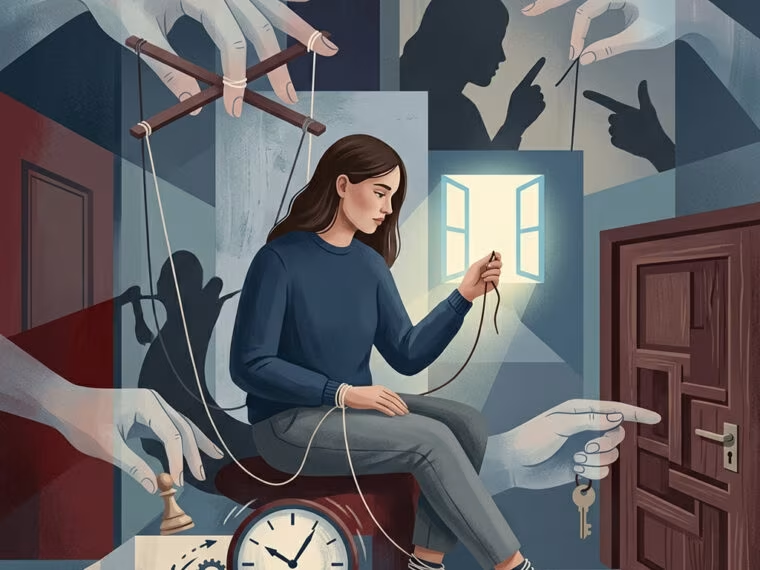
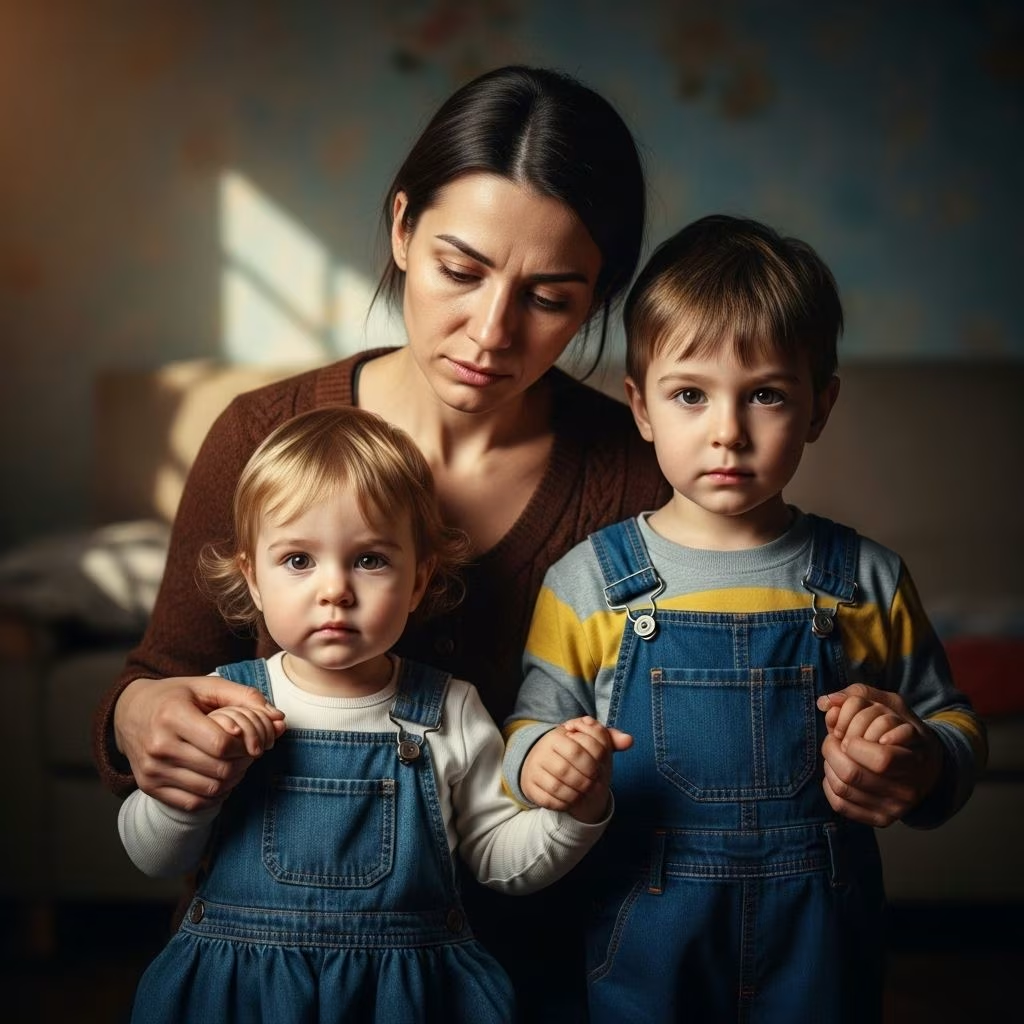
For many, the question “Why did you have children with an abusive partner?” operates as both an inquiry and a subtle accusation. The reality behind such decisions is intricate, woven with hope, love, fear, and circumstances that outsiders often fail to grasp. This article explores the experience of mothering through abuse, the impact on children, personal responsibility versus societal judgement, and the enduring connections that define families born in adversity.
Why Mothers Stay: Asking the Impossible Questions
When asked why she gave birth to her children in a situation fraught with danger and control, the author reflects on the complexity of her reality. It was not a matter of deliberate choice but of survival, adaptation, and intermittent hope. The question itself feels like an accusation, reducing years of pain and self-preservation to a single moment of decision.
- Love and hope: Many survivors of domestic abuse once believed change was possible and that love could reshape their partner’s behavior, leading to moments of optimism despite patterns of violence.
- Fear and control: Abusive relationships often feature cycles of manipulation and emotional control, eroding the victim’s sense of autonomy and decision-making power.
- Societal pressures and expectations: The pressure to keep the family together, coupled with fears of being judged or not believed, contribute to the hesitation to leave, especially when children are involved.
Motherhood in the Context of Abuse
Choosing to have children while enduring an abusive relationship is not straightforward. For many women, pregnancy is a time of vulnerability — abuse may escalate, and hopes for change are dashed. The mother’s consciousness is often split, torn between the promise of normalcy and the reality of recurring abuse.
- Escalation during pregnancy: Studies show that abuse may begin or worsen when a woman becomes pregnant, placing both her and the unborn baby at risk. The period after birth remains dangerous, with the perpetrator using children as a means of control.
- Attempts to protect: Mothers frequently employ creative strategies to shield their children from violence, including emotional buffering and physical protection, even when their own resources are depleted.
- Enduring guilt and anxiety: The weight of responsibility for children’s wellbeing is intensified by relentless self-questioning — “Did I do the right thing?”, “Could I have left earlier?”, “Am I to blame for their suffering?”
The Dynamics of Attachment and Trauma
Children are often attached to both parents, including the abusive one, making the idea of escape complicated on an emotional and practical level. The mother, too, grapples with a complex spectrum of attachment, trauma, and hope for reconciliation.
Impact of Domestic Violence on Children
Children living in homes with intimate partner violence face unique and lasting challenges. The harm is not limited to witnessing physical aggression; emotional abuse, threats, and the constant fear within the household imprint profound scars.
- Short-term effects:
- Young children may regress, reliving earlier developmental stages through behaviors like bed-wetting, thumb-sucking, crying, and increased separation anxiety.
- School-aged children experience guilt, low self-esteem, withdrawal, difficulty concentrating, physical symptoms (headaches, stomachaches), and academic issues.
- Teens may display risky behaviors such as substance use, aggression, and law-breaking. Depression and withdrawal are common, especially among girls.
- Long-term effects: Children exposed to violence in the home face higher risks of developing physical and mental health disorders, struggling with relationships, and potentially repeating patterns of violence in adulthood.
| Age Group | Common Responses to Abuse |
|---|---|
| Preschool | Regression (bed-wetting, thumb-sucking), sleep issues, separation anxiety |
| School-aged | Guilt, low self-esteem, withdrawal, academic difficulties, somatic complaints |
| Teens | Risky behavior, aggression, depression, withdrawal, trouble with law |
Enduring Judgement: Public Perception and Blame
The mother’s narrative is colored by society’s tendency to judge and scrutinize every decision made by those experiencing domestic violence. The ubiquitous “Why didn’t you just leave?” underestimates the complexity of abuse and dismisses the sheer courage required for survival.
- Stigma and misunderstanding: Survivors often face shaming and disbelief, making it harder to seek help or share their story.
- Responsibility and autonomy: There is pressure to account for “responsible” choices, even when the mechanisms of control and dependency undermine autonomy.
- Survivor guilt: Many mothers feel acute guilt for having brought children into unsafe environments, coupled with the pain of ongoing judgement by others and themselves.
Parenting Practices and Intergenerational Effects
Research confirms the intergenerational transmission of maltreatment. Adults who experienced childhood abuse or neglect are at higher risk of problematic parenting behaviors, though not all repeat patterns or become abusive themselves. Many survivors strive for positive parenting, working actively to buffer their children from the harm they themselves once endured.
- Abusive and neglectful parenting risk: Cumulative trauma increases the likelihood of abusive or neglectful parenting, but intervention and support can break this cycle.
- Positive parenting despite trauma: Many survivors, aware of their history, nurture their children with intention and care, drawing on their experiences to actively avoid negative patterns.
Leaving Isn’t Simple: The Barriers to Escape
Leaving an abusive partner, especially with children, is a process fraught with danger and complexity. Factors such as economic dependence, threats of harm, immigration status, and fear of losing one’s children amplify the risk and difficulty of escape.
- Financial and legal constraints: Economic abuse and lack of resources can tie victims to their abusers.
- Threats and control: Abusers often use children as leverage, threatening custody battles or harm if the victim tries to leave.
- Immigration issues: Those fearing loss of status face additional hurdles to leaving safely.
- Planning and support: Effective escape requires careful planning, community support, and access to safe resources — things often absent in abusive households.
Strategies for Escaping With Children
- Identify safe contacts and places.
- Prepare essential documents and necessities in advance.
- Seek legal advice and community support for custody and protection.
Would She Do It All Over Again?
Despite regret, fear, and trauma, the author affirms she would choose her children again. The love she has for them, and their unique existence, are the indisputable outcomes of her experience. This assertion does not dismiss the pain nor glamorize adversity; rather, it expresses the profound bond between mother and child that persists beyond circumstance.
- Unbreakable bond: The connection with her children transcends the suffering, testifying to the endurance of love under the harshest conditions.
- Rewriting the narrative: By claiming her story, the author seeks to validate her experience and challenge the assumptions that define other people’s perceptions.
Frequently Asked Questions (FAQs)
Q: How does domestic abuse affect children even if they are not directly harmed?
A: Children exposed to domestic violence often develop emotional and behavioral issues, including anxiety, regression, low self-esteem, academic difficulties, and social withdrawal. These effects can persist into adulthood, increasing the risk for mental health problems and difficulty forming healthy relationships.
Q: Why do victims of abuse stay in or have children in abusive relationships?
A: Staying or having children in abusive relationships is influenced by factors such as hope for change, fear, love, financial constraints, threats from the abuser, and societal expectations. Decisions are rarely simple, and the dynamics of control undermine autonomy.
Q: What steps can a parent take to protect children in an abusive environment?
A: Parents can shield children emotionally, document abuse, build support networks, and make safety plans for escape when possible. Counseling and community resources—such as shelters and legal aid—are essential for both immediate and long-term protection.
Q: Is it possible to break the cycle of abuse with positive parenting after experiencing violence?
A: Yes. Many survivors strive to develop healthy, nurturing parenting styles in conscious opposition to their traumatic experiences. Support, therapy, and community interventions are vital for positive change.
Q: What message does this story offer to survivors and those who judge them?
A: Survivors’ decisions are shaped by complex realities. Judgement oversimplifies, whereas understanding and support empower healing. The story testifies to resilience and the enduring strength of maternal love.
Resources
- Domestic violence hotlines for immediate help
- Local shelters and advocacy organizations
- Mental health professionals specializing in trauma recovery
If you or someone you know needs help escaping abuse, reach out to a qualified provider or helpline. No one deserves to suffer alone.
References
- https://pmc.ncbi.nlm.nih.gov/articles/PMC7476782/
- https://www.mayoclinic.org/healthy-lifestyle/adult-health/in-depth/domestic-violence/art-20048397
- https://www.bustle.com/articles/75543-i-birthed-two-children-into-an-abusive-relationship-and-i-would-do-it-all-over
- https://womenshealth.gov/relationships-and-safety/domestic-violence/effects-domestic-violence-children
- https://pmc.ncbi.nlm.nih.gov/articles/PMC3574772/
- https://www.canada.ca/en/immigration-refugees-citizenship/services/immigrate-canada/family-sponsorship/abuse.html
- https://academic.oup.com/qje/article/139/4/2135/7720515
- https://learning.nspcc.org.uk/child-abuse-and-neglect/emotional-abuse
- https://www.domesticshelters.org/articles/safety-planning/fleeing-an-abuser-with-your-children