


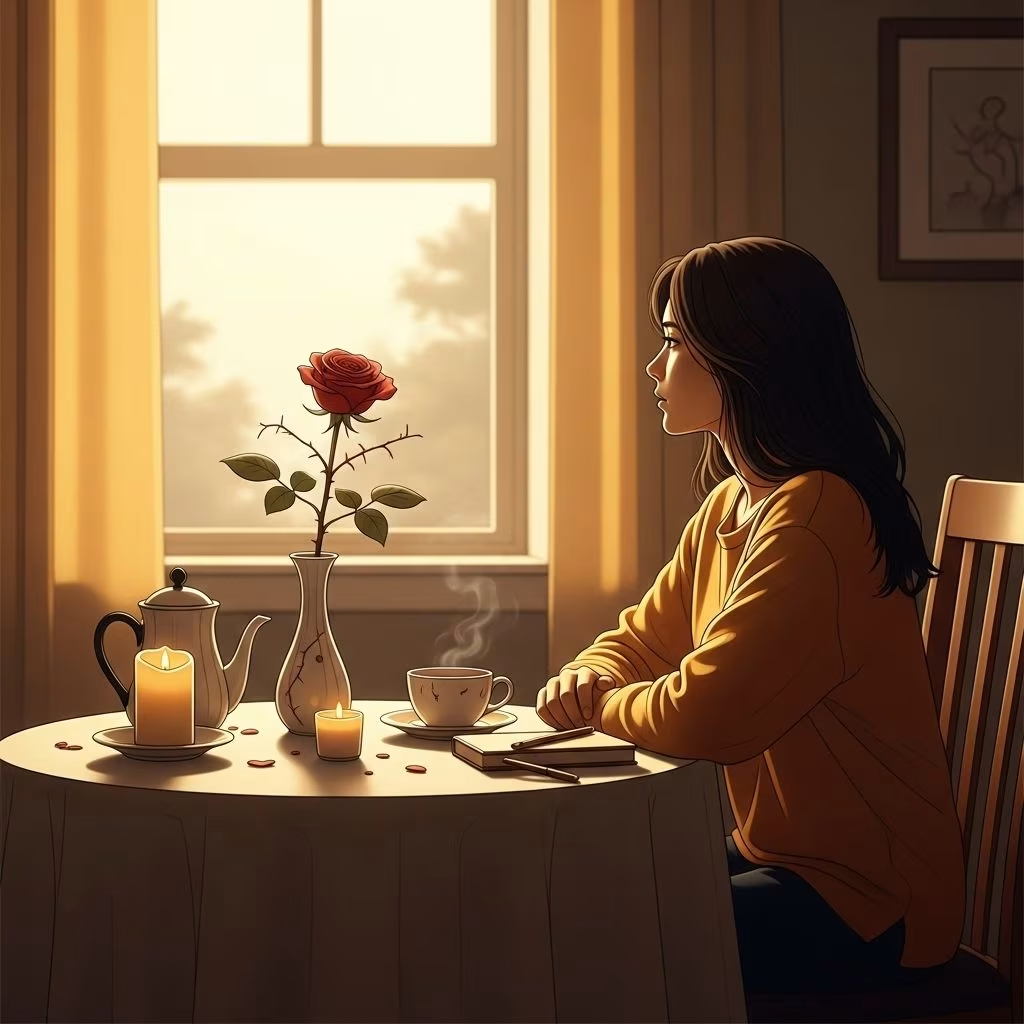
Navigating Valentine’s Day After Leaving an Abusive Relationship
Valentine’s Day is widely portrayed as a celebration of romantic love, overflowing with images of chocolates, roses, and sweet gestures. But for survivors of abusive relationships, this holiday can trigger painful memories, anxiety, and emotional turmoil. Leaving an abusive partner is a profound act of courage, yet holidays centered around romance may dredge up trauma and complicated feelings. Understanding why Valentine’s Day can be so difficult—and how to reclaim the day for yourself—is essential to supporting your healing journey.
Why Valentine’s Day Is Especially Difficult for Survivors
For those who have experienced intimate partner violence or abuse, Valentine’s Day represents more than just heart-shaped cards—it can amplify unresolved pain. As survivors strive to rebuild their lives, a holiday so focused on romance and coupledom frequently surfaces reminders of manipulation, coercion, and the false pretenses of love they endured. According to domestic violence experts, the societal pressure to be blissfully in love, coupled with the commercialization of affection, can leave survivors feeling alienated or retraumatized.
- Triggers Can Surface Unexpectedly: Survivors may encounter trigger points such as receiving cards with romantic language, seeing couples post about perfect relationships online, or even being sent gifts or messages by a former partner attempting to manipulate or rekindle control.
- Manipulation in the Guise of Romance: Many abusers exploit holidays to intensify coercive control, offering grand gestures not out of love but as an extension of their power. These gestures—flowers, extravagant dinners, sentimental cards—often serve to mask underlying harm or apologize for previous abuse, making Valentine’s rituals deeply fraught.
- Daylight on Trauma: The expectation of celebrating can force survivors to confront unresolved grief, isolation, and distorted perceptions of love, making it one of the most challenging times in their healing process.
Understanding the Emotional Impact
The journey after leaving an abusive relationship is rarely linear. Holidays can reshape survivors’ emotional landscapes, sparking everything from anxiety and sadness to anger and even guilt. Recognizing these emotions as part of the recovery process is vital.
- Grief and Nostalgia: Survivors may mourn lost time or the idealized version of romance they never experienced, which holidays like Valentine’s can magnify.
- Hypervigilance and Fear: The possibility of unwanted contact or stalking attempts by an ex-abuser on Valentine’s is especially high, adding another layer to survivors’ sense of vulnerability.
- Feeling ‘Different’ or Isolated: Watching others celebrate can trigger feelings of being ‘othered’—as if the survivor’s experience has removed them from the realm of normal romantic expectation.
How Abuse Warps the Meaning of Romantic Gestures
In healthy partnerships, Valentine’s Day rituals are meaningful expressions of affection. In abusive relationships, these gestures often become tools for coercion or manipulation. Many survivors recall how their abusers would flood them with gifts and poems that meant little beyond reinforcing control.
- False Apologies: Extravagant displays are sometimes used by abusers to excuse or minimize the violence—”I’m sorry, but look how much I care.”
- Control Disguised as Love: Gestures such as surprise dinners or gifts may be presented as romantic but are actually calculated moves to reassert dominance or to win back trust.
- Superficial Rewards: Survivors often received cards and gifts with loving messages that felt hollow, emphasizing the disconnect between words and the abuser’s actions.
Table: Healthy vs. Abusive Valentine’s Gestures
| Healthy Relationships | Abusive Relationships |
|---|---|
| Gifts given freely, no strings attached | Gifts as apologies for past abuse or as leverage |
| Celebrations focused on mutual respect and joy | Celebrations used to exert control or guilt |
| Honest, loving communication | Manipulative language, empty promises |
| Equality and personal boundaries honored | Boundaries violated under the guise of romance |
How to Cope: Strategies and Self-Care for Valentine’s Day
Even after escaping an abusive relationship, survivors deserve to feel seen, heard, and supported. Valentine’s Day can be reimagined as a day for healing and self-nourishment. Here are practical steps to mitigate triggers and reclaim the holiday:
- Plan Ahead: Recognize Valentine’s Day may be challenging and create a self-care strategy—this could be enjoying a favorite hobby, scheduling time with friends, or organizing a relaxing day for yourself.
- Limit Exposure to Triggers: Consider curating your social media feed, taking a break from platforms full of romantic content, and communicating boundaries with friends and family as needed.
- Build a Support Network: Reach out for support from trusted loved ones, online healing communities, or local survivor groups. Isolation amplifies painful emotions; connection helps you feel less alone.
- Practice Affirmation and Self-Compassion: Remind yourself that your self-worth is independent of others’ treatment and that healing is a journey, not a destination.
- Explore Therapy or Counseling: Professionally guided therapy is especially valuable for survivors processing trauma around holidays and major life events.
- Find Meaning in New Rituals: Reframe the holiday for yourself—invite friends over for a movie marathon, volunteer, go for a hike, or spend time with family. Valentine’s can be about celebrating love in all its forms, not just romance.
- Reach Out if You Need Help: If you feel unsafe due to an ex-partner’s actions, contact support services or hotlines for guidance on legal protection and immediate help.
Reclaiming Valentine’s Day: Ideas for Finding Joy and Agency
Valentine’s Day doesn’t have to be about coupledom. Survivors can choose to empower themselves by crafting new traditions—focused on self-love, community, and gratitude.
- Connect with Friends: Make plans to spend the day with people who affirm your journey and make you smile.
- Celebrate Yourself: Honor your own resilience with a gift, a favorite meal, or a quiet reflection on your growth.
- Give Back: Volunteer or do something kind for someone else—sharing compassion can help ease isolation and foster purpose.
- Rest and Recharge: Don’t underestimate the power of rest; a day dedicated to your own comfort, be it reading, art, or nature, can make all the difference.
If You Suspect Someone Is Struggling
Valentine’s Day can be dangerous or deeply painful for survivors of domestic violence. If you know someone who has left an abusive relationship, your support can be transformative:
- Check in gently. A simple text expressing care can make a difference.
- Offer to spend time together, or help them with practical support like running errands.
- Respect their boundaries—they may not want to talk about their experience or celebrate at all.
- Share resources. Having information about hotlines, counseling, and community support can empower them to seek help if needed.
Resources for Survivors
- National Domestic Violence Hotline: 1-800-799-SAFE (7233)
- Women’s Aid (UK): Extensive support and information for survivors
- Online healing communities and local advocacy groups
FAQs: Surviving Valentine’s Day After Abuse
Q: Why does Valentine’s Day cause such intense emotional reactions for survivors?
A: Valentine’s Day can surface memories of manipulation, false romantic gestures, or trauma associated with past abuse. The day’s focus on romance may amplify grief, anxiety, or isolation for those still healing.
Q: What are common triggers during this holiday?
A: Triggers might include receiving unwanted gifts or contact from ex-partners, seeing idealized couples in media, and feeling societal pressure to participate in romantic rituals.
Q: How can I support friends or family members who have survived abuse during Valentine’s Day?
A: Offer explicit support and kindness, avoid pushing them to celebrate, check in gently, and help connect them to support resources if needed.
Q: How can survivors reclaim Valentine’s Day for themselves?
A: Reframe the holiday with self-loving rituals, spend time with trusted friends, seek support, and focus on personal growth. The day can honor any kind of love—not just romantic relationships.
Q: What immediate steps should I take if I feel unsafe or triggered?
A: Reach out to trusted loved ones, seek professional support if needed, and consider contacting domestic violence hotlines or legal services if there are safety concerns.
Final Thoughts: Redefining Valentine’s Day in Healing
Survivors of abuse deserve love, safety, and affirmation every day of the year. Valentine’s Day may present unique challenges, but it can also be an opportunity to redefine the meaning of love and celebrate the progress you have made. Whether through connection, rest, or activism, every survivor’s path is valid—and every act of self-care is an act of courage. If this holiday triggers old wounds, remember: healing is possible, community exists, and your wellbeing matters above all else.
References
- https://www.the-independent.com/news/uk/home-news/valentines-day-domestic-violence-survivor-abuse-husband-a8777971.html
- https://devrieslegal.com/the-impact-of-valentines-day-on-domestic-violence-cases-in-florida/
- https://uksaysnomore.org/valentinesdaynoexcuseforabuse/
- https://themontclarion.org/opinion/valentines-day-isnt-just-for-romance/
- https://www.elitedaily.com/p/celebrating-valentines-day-after-leaving-abusive-relationship-can-be-triggering-so-heres-what-to-know-15898627
- https://www.elitedaily.com/dating/i-got-dumped-on-valentines-day/1362940


