


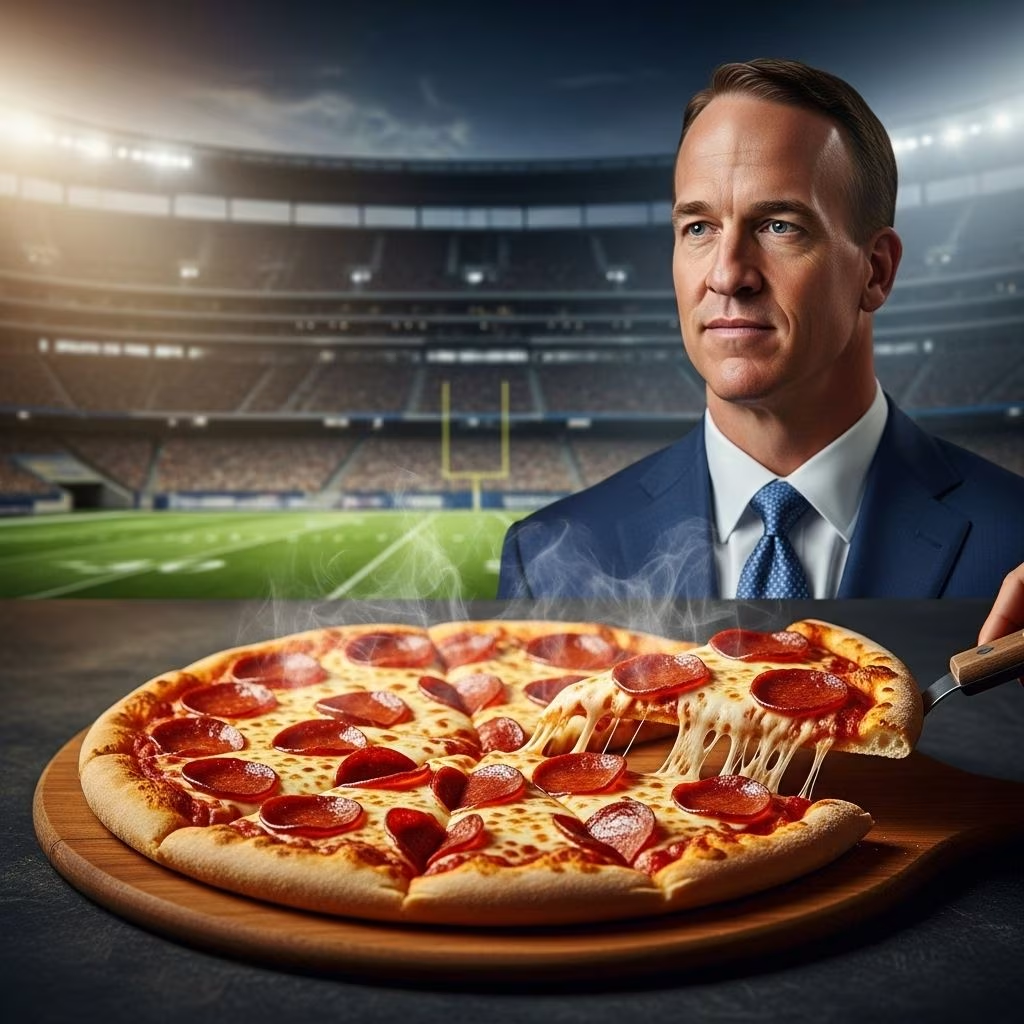
Peyton Manning and Papa John’s: A Slice of Sports, Business, and Controversy
Peyton Manning, legendary NFL quarterback renowned for his on-field prowess and marketability, forged an influential, sometimes contentious relationship with Papa John’s over the past decade. Their partnership, spanning endorsements, franchise ownership, and national sponsors, became a case study in the intersection between professional sports and commercial interests.
Background: Manning’s NFL Stardom and Off-Field Appeal
Peyton Manning’s illustrious career—as a two-time Super Bowl champion, NFL MVP, and one of the sport’s top all-time earners—catapulted him into the national spotlight, enabling lucrative endorsements. By 2015, Manning generated approximately $12 million annually from deals with brands like Papa John’s, Gatorade, Nationwide, Nike, and DirecTV.
- Super Bowl Wins: Manning won Super Bowl XLI (Colts) and Super Bowl 50 (Broncos).
- Endorsement Power: Most prominent NFL player in off-field earnings.
- Public Persona: Known for integrity and sportsmanship.
Papa John’s and the NFL: A Corporate Synergy
Papa John’s established partnerships with both athletes and the NFL, becoming the league’s “official pizza sponsor” in 2010. The brand invested heavily in sports marketing, leveraging high-profile spokespeople like Manning to boost national recognition.
- Papa John’s integrated advertising with football broadcasts and Super Bowl events.
- Manning’s role included television and social media campaigns centered on football culture.
- The relationship coincided with a surge in Papa John’s franchise expansion into major sports markets.
Peyton Manning as Papa John’s Owner: Denver Playbook
In 2012, leveraging his Denver Broncos fame, Manning purchased a stake in 21 Papa John’s franchises (eventually rising to 31) across the Denver area, positioning himself as both entrepreneur and brand ambassador.
- Business Motivation: Manning cited Colorado’s market growth, including shifts in local law that might impact pizza sales.
- Operational Role: Manning was an active participant but did not directly manage store-level operations.
- Visibility: His franchisee status was woven into advertising, further connecting the brand to his NFL identity.
Manning’s Double Duty: Spokesperson and Investor
Unlike typical endorsements, Manning’s ownership amplified his credibility and financial stake. Ads frequently depicted him enjoying Papa John’s alongside fans and teammates. The symbiotic relationship provided both parties with increased exposure and perceived authenticity.
| Year | Event | Outcome |
|---|---|---|
| 2012 | Manning buys Denver-area franchises | Becomes Papa John’s owner and ad face |
| 2015 | Super Bowl 50 win | National publicity for both Manning & Papa John’s |
Controversy and Turning Point: NFL, Papa John’s, and Investor Turmoil
By 2017 and 2018, the alliance faced challenges:
- The NFL’s ongoing anthem-kneeling debate generated backlash for sponsors, especially Papa John’s founder John Schnatter, who publicly blamed the league for declining sales.
- Papa John’s association with divisive commentary led to corporate reevaluation and distancing by major partners.
- Manning, who had sold his franchises just two days before Papa John’s lost its NFL sponsorship, appeared prescient in his business moves.
On February 26, 2018, Manning sold his stake in 31 stores to an existing franchisee, timing that raised eyebrows as Papa John’s lost its NFL status to Pizza Hut.
Awkward Aftermath: Manning’s Enduring Brand Endorsement
Despite divesting his ownership, Manning remained a Papa John’s spokesperson and brand ambassador. The company confirmed the continued arrangement, highlighting Manning as a “trusted friend.” The duality—no longer a business partner but still the public face—contributed to the relationship’s awkward public perception.
- Manning’s spokesmanship was set under a long-term agreement, providing insulation from corporate turmoil.
- Critics likened the setup to a personal breakup gone professional, as Manning distanced himself financially but maintained promotional ties.
External Pressures: HGH Allegations and PR Resilience
Amid Manning’s Papa John’s business dealings, media scrutiny intensified following allegations relating to human growth hormone (HGH) from a 2011 medical incident. Both Papa John’s and other sponsors publicly supported Manning, citing his integrity and achievements.
- Papa John’s Senior Director of PR stated Manning “represented himself, the game of football, and Papa John’s with the utmost honor and integrity.”
- Other major sponsors (Nationwide, Nike) monitored the situation but did not sever ties.
- Support from NFL peers helped neutralize negative press that could have impacted business partnerships.
Pie and Politics: Papa John’s Struggles with Image
The tension between Papa John’s and the NFL highlighted the precarious nature of sports sponsorships.
- The chain’s founder was criticized for public remarks about league management and activism.
- Negative association with social and political debates led the NFL to seek new partners, culminating in the switch to Pizza Hut as official sponsor.
- Manning’s exit from franchise ownership was interpreted as professional foresight given changing business and social climates.
The Branding Playbook: Manning’s Legacy with Papa John’s
Manning’s tenure as spokesperson endures as a textbook example of athlete-brand synergy: maximizing cultural relevance, embracing local opportunities, and weathering controversies. Even post-ownership, Manning continues to be a visible face, leveraging his football legend status for ongoing brand ambassadorship.
- Authenticity: Manning’s Denver stores grounded the partnership in real business, not just endorsement.
- Timing: His timely sale demonstrated business acumen.
- Adaptation: Retaining ad contracts allowed both parties to pivot despite franchise and league changes.
Reactions and Public Opinion
- Fans weighed in after the franchise sale, running the gamut from admiration for Manning’s shrewdness to disappointment over continued promotion despite controversy.
- Papa John’s, while losing NFL sponsorship, retained Manning’s star power for commercials and local initiatives.
- The pairing remains a subject of debate regarding the blending of sports celebrity and big business.
Frequently Asked Questions (FAQs)
Why did Peyton Manning sell his Papa John’s stores?
Manning sold his 31 Denver-area franchises just before Papa John’s lost its status as NFL pizza sponsor, likely anticipating changes in business dynamics and brand risk associated with controversial statements by Papa John’s founder.
Is Peyton Manning still affiliated with Papa John’s?
Yes, Manning continues as a spokesperson and brand ambassador under a long-term agreement, though he is no longer a franchise owner.
How did NFL controversies impact Papa John’s?
Criticism of the NFL by Papa John’s founder over issues such as anthem protests led to strained corporate relations, loss of the NFL’s pizza sponsorship, and ultimately, reputational challenges for the brand.
Did HGH allegations affect Manning’s endorsements?
No, Manning retained support from sponsors who issued statements referencing his reputation, and Papa John’s reaffirmed its trust in him.
Are athlete-brand partnerships risky?
Yes. Such partnerships can offer mutual benefits but are exposed to fluctuations in public opinion, changing social climates, and potential controversies impacting both parties’ reputations.
Papa John’s, Manning, and the Business of Image
Peyton Manning’s journey with Papa John’s shows the multifaceted nature of modern athlete endorsements—combining personal investment, brand value, and the necessity of strategic exit plans when circumstances shift. The partnership, while no longer literal in terms of ownership, persists in the public eye as an example of adaptation, loyalty, and the balancing act required between business opportunity and reputational risk.
- Sports celebrities can enhance brand visibility and consumer trust.
- Strategic disengagement, such as Manning’s sale of stores, can mitigate risk amid controversy.
- Long-term ambassador agreements ensure a brand can continue leveraging star appeal while adjusting investments and operational strategies.
In Retrospect
The story of Peyton Manning and Papa John’s is not just a tale of celebrity endorsements—it’s an evolving narrative mirroring broader trends in sports, business, and society. As the NFL, Papa John’s, and Manning each adapt to new realities, their intertwined history remains an essential lesson for athletes, companies, and fans about the power—and pitfalls—of partnership.
References
- https://www.thetakeout.com/peyton-manning-and-papa-john-s-relationship-is-in-an-aw-1823613401/
- https://www.indystar.com/story/sports/2018/03/07/peyton-manning-drops-papa-johns-pizza-stake-after-feud-nfl/402578002/
- https://www.campaignlive.com/article/papa-johns-brushes-off-peyton-manning-hgh-allegations/1377948
- https://www.espn.com/nfl/story/_/id/22683796/peyton-manning-sold-papa-john-stores-2-days-nfl-cut-chain
- https://en.wikipedia.org/wiki/Peyton_Manning


