


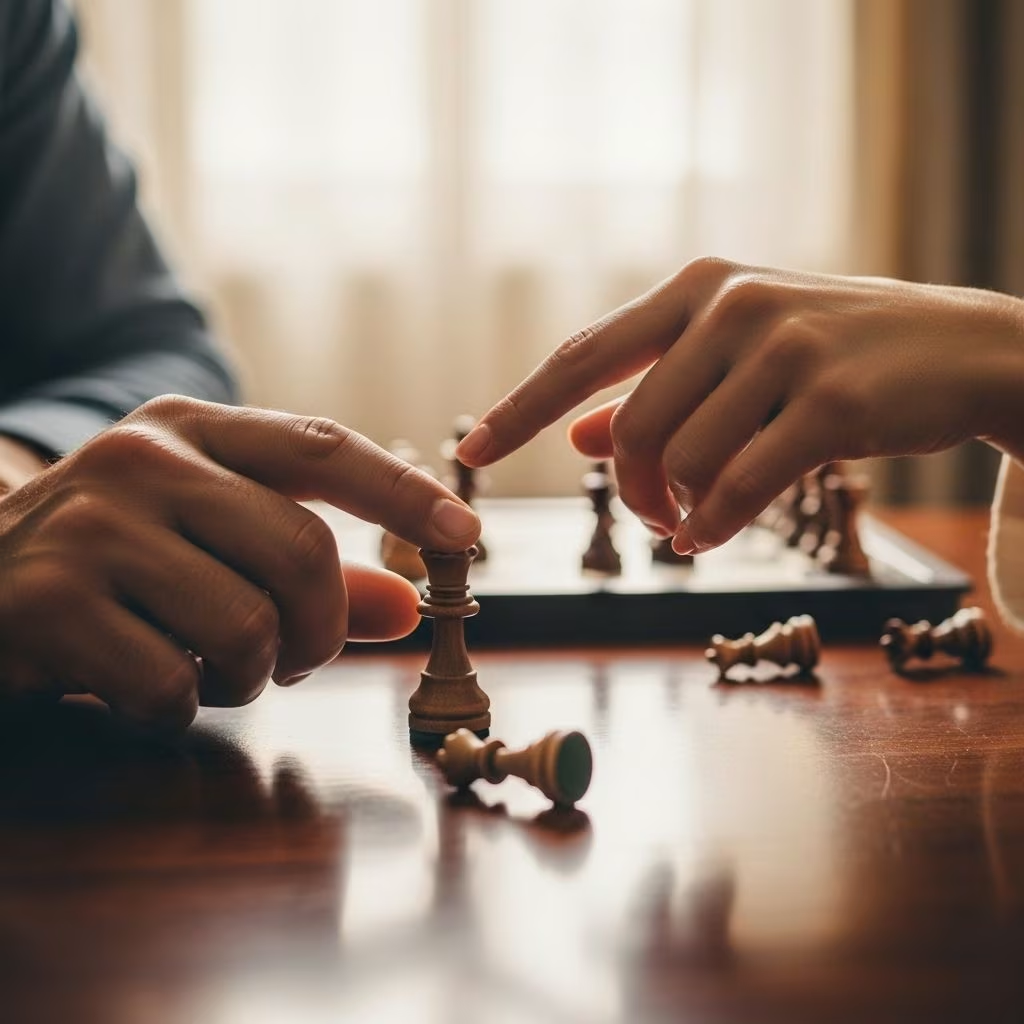
Introduction to Relationship Games
Relationship games are complex patterns of behavior that individuals engage in, often unconsciously, during interactions with their partners. These games can create confusion, hurt feelings, and undermine the trust and intimacy needed in a healthy relationship. Understanding what these games are and how they affect relationships is crucial to stopping them and fostering a more genuine connection.
Defining Relationship Games
Relationship games involve a set of interactions between two or more people, often with a hidden agenda. They typically follow a predictable pattern and may involve a switch of roles such as Victim, Rescuer, and Persecutor. These roles are not the same as the literal roles they might suggest but are rather psychological positions people adopt in their interactions.
Why Do People Play Relationship Games?
People play relationship games for various reasons, including fear of intimacy, desire to control the other person’s feelings or actions, or as a way to avoid direct communication and conflict. Games can provide a sense of predictability and control, which feels safer than the unpredictability of genuine emotional connection.
Common Examples of Relationship Games
- Playing Hard to Get: This is a socially accepted game where one person makes themselves appear less available to spark interest or maintain power in the relationship.
- Hot-and-Cold Behavior: This involves alternating between showing affection and indifference to keep the other person emotionally invested and uncertain.
- Passive-Aggressive Behavior: Instead of direct communication, individuals may use indirect actions to express their feelings or dissatisfaction.
How to Recognize Relationship Games
Recognizing relationship games can be challenging, especially if you are personally involved in them. However, some common signs include feeling consistently confused, uncertain, or unhappy in the relationship. If interactions often feel like a battle or a competition rather than a mutual exchange, it may indicate that games are being played.
Stopping Relationship Games
Stopping relationship games requires a commitment to honesty and open communication. Here are some steps to help you end these harmful patterns:
- Practice Self-Awareness: Understand your motivations and the reasons behind your actions in the relationship.
- Communicate Honestly: Instead of playing games, express your feelings and needs directly. This fosters trust and strengthens your bond.
- Set Clear Boundaries: Establishing clear expectations can prevent misunderstandings and reduce the need for manipulation.
- Address Conflicts Head-On: Approach conflicts with an open mind and a willingness to listen, rather than resorting to passive-aggressive behavior.
- Seek Professional Help: If relationship games persist and cause significant distress, consider seeking advice from a therapist or counselor.
Building a Healthier Relationship
A healthy relationship is built on mutual respect, trust, and open communication. By recognizing and stopping relationship games, you create a foundation for a more satisfying and fulfilling partnership. This involves embracing vulnerability, being receptive to feedback, and fostering an environment where both partners feel safe and supported.
Frequently Asked Questions (FAQs)
Q: What are relationship games?
A: Relationship games are patterns of behavior where individuals engage in interactions with hidden agendas, often to control or manipulate others, leading to feelings of confusion or unhappiness.
Q: Why do people play relationship games?
A: People play relationship games for reasons such as fear of intimacy, control over others, or avoiding direct communication.
Q: How can I stop playing relationship games?
A: To stop playing relationship games, practice self-awareness, communicate honestly, set clear boundaries, address conflicts openly, and seek professional help if needed.
Q: What are some common examples of relationship games?
A: Common examples include playing hard to get, hot-and-cold behavior, and passive-aggressive behavior.
Q: How can I build a healthier relationship?
A: Building a healthier relationship involves focusing on mutual respect, trust, and open communication. It requires embracing vulnerability and creating an environment where both partners feel valued.


