


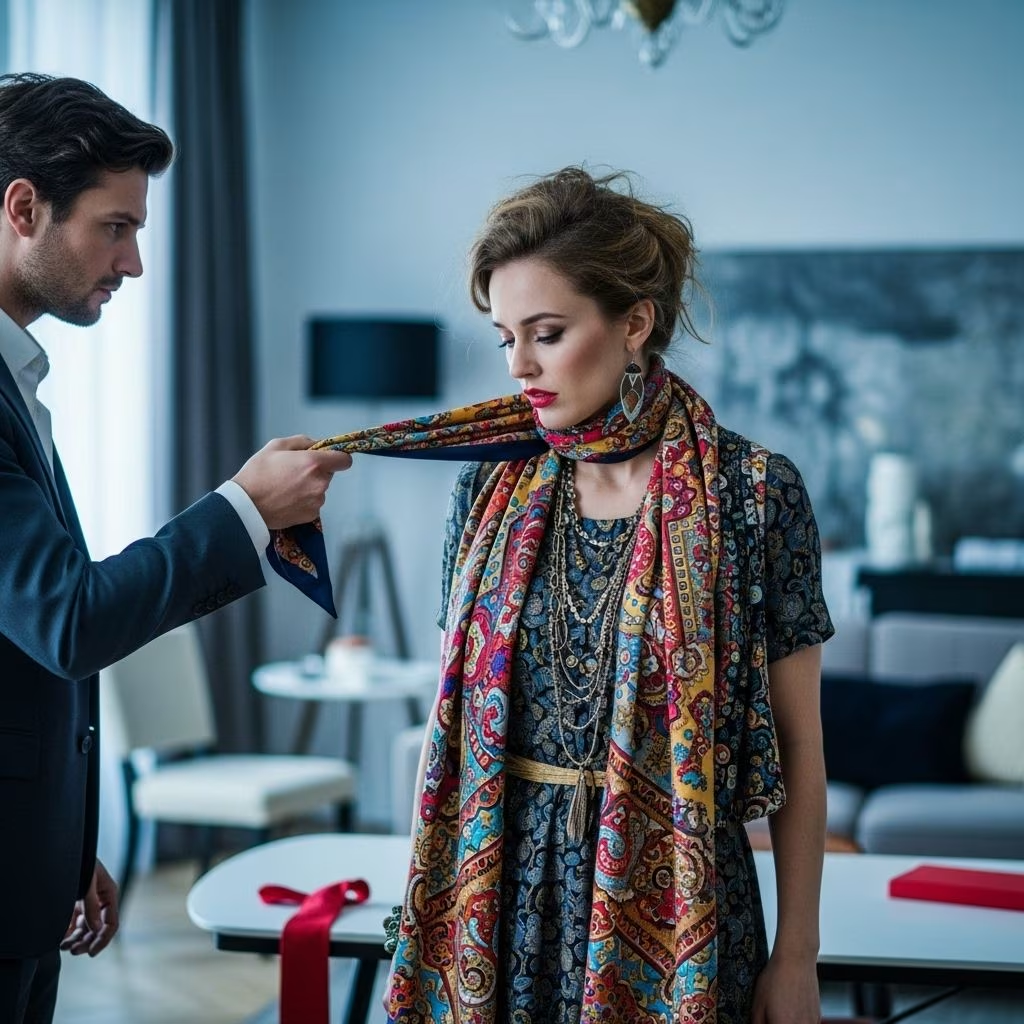
Introduction to Relationship Red Flags
Relationships can be incredibly fulfilling, but there are times when they can become toxic. One common red flag is when your partner attempts to change your personal style. This behavior can undermine your self-esteem and create tension in the relationship. Recognizing these signs early on is crucial for maintaining a healthy and fulfilling relationship.
When Personal Style Becomes a Target
Personal style is an integral part of who we are. It reflects our personality, creativity, and individuality. However, when a partner starts questioning or criticizing your style, it can be a warning sign of deeper issues. This could range from comments on your fashion choices to suggestions that you should change your haircut or makeup style.
Why Personal Style Matters
Personal style is not just about aesthetics; it’s also about self-expression and confidence. When someone tries to alter this aspect of your life, it can feel like an attack on your identity. It’s essential to communicate openly with your partner and set boundaries to maintain your self-esteem.
Signs That Your Partner is Trying to Change You
Here are some key signs to watch out for:
- Constant Criticism: If your partner frequently criticizes your style, suggesting you look better without certain pieces or styles, it may indicate they are uncomfortable with your individuality.
- Pressuring You to Conform: If they insist you dress more formally or casually to fit their ideal, it could be a sign of deeper control issues.
- Discounting Your Choices: Ignoring or dismissing your fashion choices can make you feel unheard and unvalued.
Impact on Self-Esteem
Continuous criticism or pressure to change can severely impact your self-esteem. It may lead to self-doubt, anxiety over making style choices, and a feeling of being trapped in a relationship where your true self is not appreciated.
Communicating with Your Partner
Open communication is key. Here’s how you can approach the conversation:
- Express Your Feelings: Let your partner know how their comments make you feel.
- Set Boundaries: Clearly communicate what you are and aren’t comfortable with in terms of style advice.
- Seek Understanding: Try to understand why they might be making these comments and address any underlying issues together.
When to Seek Help or End the Relationship
If the situation persists and you feel consistently belittled or unappreciated, it may be time to reevaluate the relationship. Consider seeking advice from a therapist or trusted friends and family.
Narcissistic Tendencies
In some cases, partners may exhibit narcissistic traits, such as needing constant validation or controlling behavior. These traits can manifest in criticism of your style to make you conform to their ideal.
Identifying Narcissistic Behavior
Here are some signs of narcissistic behavior:
- Self-Centered Conversations: If your partner always steers conversations back to themselves, it may indicate a lack of interest in your thoughts and feelings.
- Constant Need for Compliments: If they frequently seek praise for their accomplishments but dismiss yours, it could be a sign of narcissism.
- Control Over Activities: If they dictate what you do together without considering your preferences, it may indicate a controlling personality.
Conclusion
Recognizing red flags related to personal style and addressing them early can prevent deeper issues in your relationship. Communication, self-awareness, and setting boundaries are essential tools for maintaining a healthy partnership.
Frequently Asked Questions (FAQs)
Q: What are some common red flags in relationships?
Common red flags include constant criticism, control over personal choices, and narcissistic behavior.
Q: How can I communicate with my partner if they are trying to change me?
Communicate your feelings openly, set clear boundaries, and seek to understand their perspective.
Q: When should I consider ending a relationship?
Consider ending the relationship if you feel consistently belittled or unappreciated, despite open communication.
References
- https://www.elitedaily.com/dating/signs-dating-someone-change-you/1578738
- https://www.elitedaily.com/dating/signs-youre-dating-a-narcissist/2052230
- https://www.seventeen.com/love/dating-advice/a39114/red-flags-that-your-boyfriend-sucks/
- https://www.elitedaily.com/p/3-red-flags-when-dating-someone-older-than-you-that-are-important-to-pay-attention-to-8244696
- https://www.elitedaily.com/p/5-red-flags-youre-too-dependent-on-your-partner-7923894
- https://www.elitedaily.com/dating/qualities-people-i-date-must-have/1790717
- https://www.elitedaily.com/p/if-youre-not-into-pda-heres-what-it-could-mean-about-your-relationship-style-9038776
- https://www.elitedaily.com/dating/guys-stay-away-early-20s/1339368


