


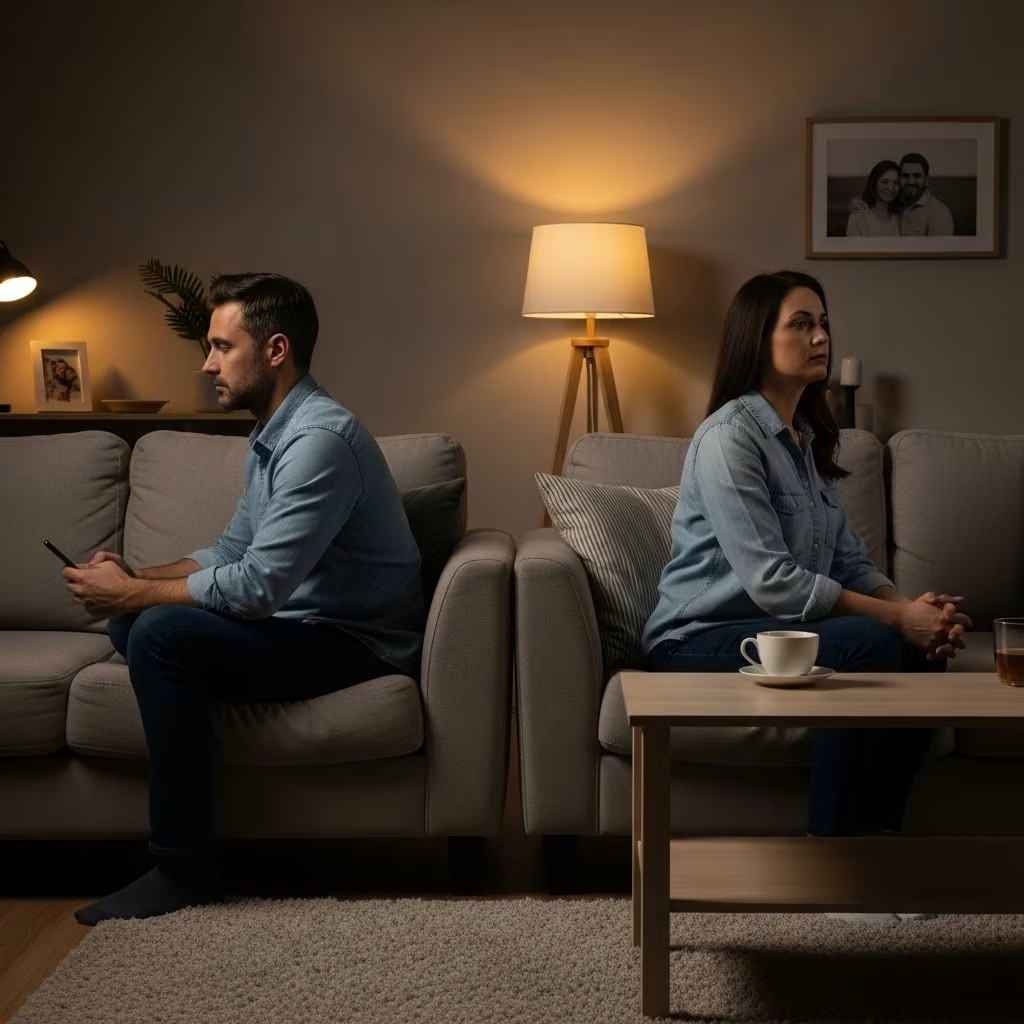
Roommate Syndrome: What it Means for Relationships
Long-term relationships are a journey of discovery, adaptation, and growth. Yet, for many couples, familiarity and routine can gradually replace the spark and intimacy that once defined their union. This transformation is widely recognized as roommate syndrome—a state where partners shift from lovers to mere housemates, sharing a space but losing the deeper connection that bonds them as a couple.
Understanding Roommate Syndrome
Roommate syndrome arises when a romantic relationship loses its emotional and physical intimacy, and partners interact more like cohabitants managing day-to-day logistics. While the home may appear peaceful and comfortable on the surface, partners might sense a profound distance, longing for the excitement, passion, and warmth that characterized their early days together.
It’s a common and subtle phenomenon that affects couples across all stages of long-term relationships. In fact, the shift can happen so gradually that many aren’t aware of it until they feel isolated or question the future of their partnership.
Key Signs of Roommate Syndrome
Wondering if you and your partner are drifting into a roommate dynamic? Watch for these telltale signs:
- Reduced Physical Intimacy: Holding hands, cuddling, kissing, or spontaneous touches and sexual connection become rare or feel mechanical.
- Decreased Emotional Intimacy: Deep, meaningful conversations fade, replaced by surface-level exchanges limited to logistics or household matters.
- Logistics-Focused Communication: Most communication centers on chores, finances, or schedules, rather than dreams, fears, or shared joys.
- Minimal Quality Time: Couples intentionally spend less time together, opting instead for solo activities, separate routines, and individual interests.
- Loss of Spontaneity: Routines dictate daily life, while surprises, playfulness, and spontaneous gestures of affection disappear.
- Emotional Disconnect: Partners feel emotionally distant—even lonely—despite occupying the same physical space.
- Separate Lives: Social circles, hobbies, and daily routines rarely overlap, and joint experiences dwindle.
Roommate Syndrome vs. Healthy Coexistence
| Roommate Syndrome | Healthy Relationship |
|---|---|
| Communication limited to chores and logistics. | Open communication about personal feelings and goals. |
| Emotional and physical intimacy declines or disappears. | Regular nurturing of emotional and physical bonds. |
| Quality time together is rare, routines dominate. | Intentional time spent together, balancing routine and novelty. |
| Lives and interests become separate, paths cross only for obligations. | Shared interests and mutual engagement in activities. |
| Loneliness or dissatisfaction despite sharing a home. | Sense of connection, partnership, and happiness. |
Why Do Couples Develop Roommate Syndrome?
Understanding the root causes of roommate syndrome can help couples recognize the patterns that lead to disconnection and address them proactively. Several factors contribute to this dynamic:
- Fading Novelty: Early-stage excitement and constant discovery naturally subside as partners become familiar and routine sets in.
- Life Stressors: Careers, children, financial concerns, and family obligations can overwhelm couples, leaving little time or energy for each other.
- Neglecting Relationship Care: Prioritizing work, chores, or individual pursuits causes couples to stop “dating” each other and investing in their bond.
- Complacency: Comfort with the status quo can lead to taking the relationship—and each other—for granted.
- Avoidance of Conflict: Shying away from difficult conversations or emotional vulnerability encourages emotional distance.
- Misaligned Priorities: When personal growth or interests diverge without intentional reintegration, partners slowly drift apart.
The Impact of Roommate Syndrome
Roommate syndrome is not simply a loss of passion; it can deeply affect emotional well-being, relationship satisfaction, and even mental health. The consequences often include:
- Lingering sadness, resentment, or confusion about the state of the relationship
- Increased loneliness and a sense of isolation, even when together
- Potential for misunderstandings, arguments, or misplaced blame
- Vulnerability to emotional or physical affairs
- Gradual erosion of trust and partnership
While it’s normal for couples to experience periods of distance—especially during stressful or busy life phases—prolonged roommate syndrome can undermine the foundation of a relationship. Recognizing the issue early allows for more successful intervention.
Reigniting the Spark: Strategies to Overcome Roommate Syndrome
The good news is that roommate syndrome isn’t a dead end. With mutual understanding, intention, and effort, couples can revive their intimacy and rebuild emotional closeness. Consider these actionable steps:
- Prioritize Quality Time
- Set aside regular, uninterrupted moments to reconnect—date nights, shared hobbies, or even daily walks.
- Treat these “appointments” as sacred, resisting the urge to cancel or reschedule.
- Communicate Openly and Kindly
- Discuss your feelings honestly and listen with empathy. Avoid blame—focus on your experiences and needs.
- Revisit conversations about future goals, dreams, and passions.
- Reintroduce Physical Intimacy
- Start small—hold hands, hug, offer a gentle touch, or express affection with a note or compliment.
- Release pressure for grand gestures; consistency matters more.
- Inject Newness and Spontaneity
- Try new experiences as a couple—cooking a new recipe, exploring a new activity, or planning a surprise outing.
- Break routines to create shared memories and excitement.
- Establish Rituals of Connection
- Simple rituals—morning coffee together, evening check-ins, expressing gratitude—nurture ongoing intimacy.
- Seek Support If Needed
- Consider couples counseling or relationship coaching for structured guidance, accountability, and new communication tools.
Quick Tips for Reconnecting
- Say “thank you” for everyday efforts—it builds appreciation and affection.
- Ask open-ended questions about your partner’s day, thoughts, and feelings.
- Respect solo activities, but create boundaries to ensure balanced together time.
- Share laughter and work on projects as a team—from decluttering to planning a trip.
Preventing Roommate Syndrome Before It Starts
The key to sustaining a vibrant relationship is ongoing care and conscious effort. Even couples not currently experiencing roommate syndrome can benefit from proactive strategies:
- Keep Dating: Never stop setting aside time for romance, adventures, and shared discovery.
- Adapt Together: As life evolves, openly discuss individual changes and realign priorities.
- Practice Vulnerability: Stay emotionally open—share joys, challenges, and hopes, even (or especially) when life gets tough.
Frequently Asked Questions (FAQs) about Roommate Syndrome
Q: Is roommate syndrome inevitable in long-term relationships?
A: No, while it’s common for the initial spark to fade somewhat, couples who actively nurture their connection and communicate can maintain or revive intimacy over time.
Q: Can roommate syndrome lead to the end of a relationship?
A: It can, if the underlying issues aren’t addressed. Prolonged emotional and physical distance can lead to dissolution or infidelity, but many couples successfully turn things around with intentional effort.
Q: Should couples experiencing roommate syndrome seek therapy?
A: If partners struggle to reconnect on their own or communication remains difficult, couples therapy can offer valuable support, new perspectives, and strategies tailored to their relationship.
Q: Is it normal for routines and comfort to replace excitement?
A: Yes, it’s natural for relationships to become more comfortable over time. The challenge is to integrate security with continued emotional and romantic engagement.
Q: How long does it take to overcome roommate syndrome?
A: The timeframe varies—change can be gradual or rapid, depending on openness, effort, and individual circumstances. The most important step is making a conscious decision to prioritize the relationship.
In Summary: Rediscovering Your Connection
Roommate syndrome is a silent drift, not a conscious choice. Recognizing it is the first step to reigniting the passion, friendship, and deep partnership that long-term love can offer. By investing intentionally in communication, shared experiences, and vulnerability, couples can move from simply sharing an address to truly sharing a life—rekindling the joy, intimacy, and purpose they both deserve.
References
- https://www.psychologytoday.com/us/blog/social-instincts/202411/3-signs-you-and-your-partner-have-roommate-syndrome
- https://www.relationshipsnsw.org.au/blog/roommate-syndrome-what-is-it/
- https://www.theknot.com/content/roommate-syndrome
- https://www.relaxedmale.com/a-reason-for-roommate-syndrome/
- https://www.marriage.com/advice/relationship/roommate-syndrome/
- https://www.couplescounselingchicago.net/couples-roommate-syndrome/
- https://www.sistersletter.com/we-time/is-your-relationship-in-a-roommate-rut


