


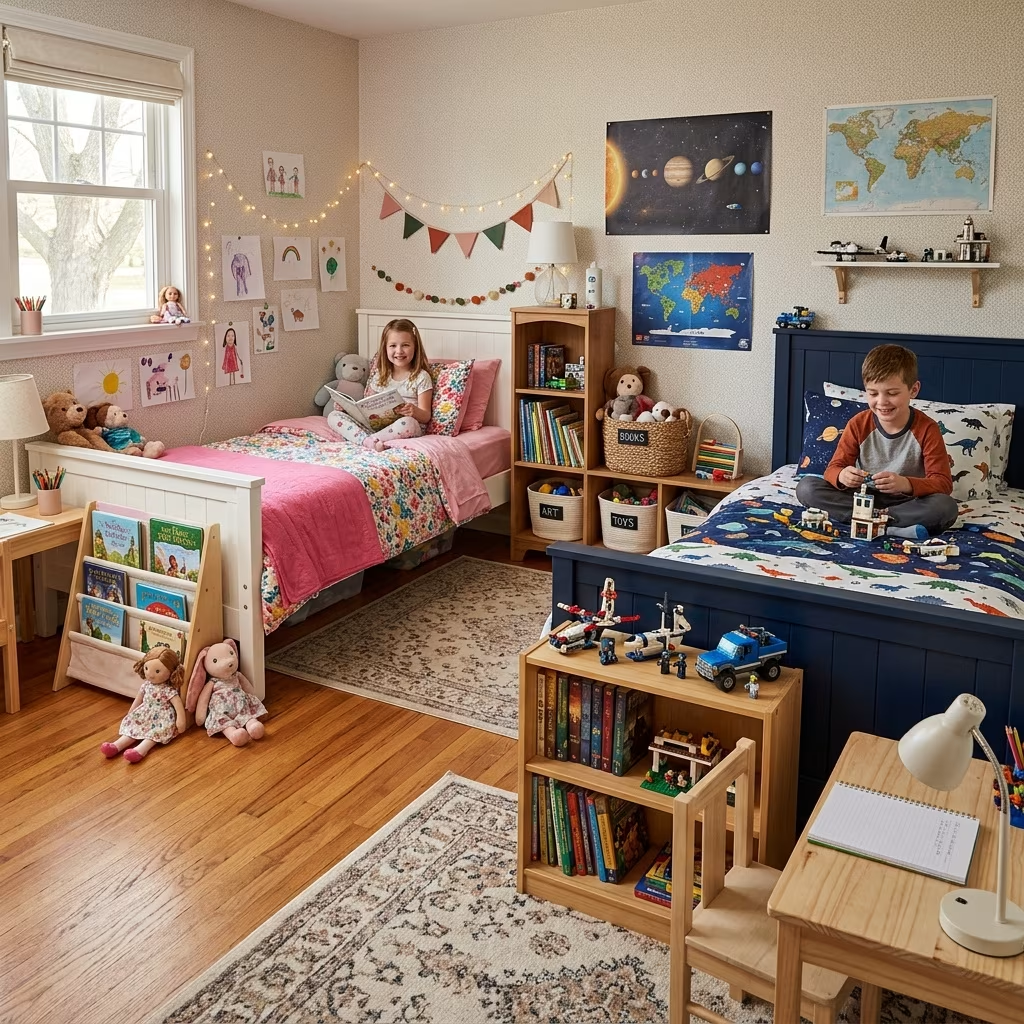
Should Brother and Sister Share a Bedroom? A Guide for Modern Parenting
\n\n
As families adapt to changing living spaces—especially in compact homes—it’s common for siblings, even of the opposite gender, to share a bedroom. While this arrangement can strengthen sibling bonds, teach cooperation, and foster important life skills, it also comes with unique challenges as children grow. This article explores when and how brothers and sisters can successfully share a bedroom, tackles common concerns about privacy, and provides practical tips for making shared spaces positive and productive for all family members.
\n\n
Key Pointers
\n
- \n
- Brothers and sisters can share a bedroom, especially if space is limited, as long as mutual privacy and respect are observed.
- Although there is no strict age limit, most children desire their own space around age 10 to 12.
- Set ground rules, personalize schedules and storage, and encourage open communication to foster a supportive shared environment.
\n
\n
\n
\n\n
Is It Okay for Siblings of Opposite Genders to Share a Bedroom?
\n
Many parents wonder whether it is appropriate for a brother and sister to share a room. The answer largely depends on the family’s values, cultural expectations, and most importantly, the children’s comfort levels. In most cases, this arrangement is fine up until pre-adolescence, provided boundaries are set and privacy is respected.
\n\n
Benefits include:
\n
- \n
- Siblings learn to share space and belongings, fostering cooperation and patience.
- A brother and sister may develop a stronger bond through daily interactions, building shared memories and understanding.
- Opposite-gender siblings typically have varying interests, which can reduce conflicts over personal items.
\n
\n
\n
\n\n
However, as children approach puberty and become more aware of personal boundaries, parents should revisit the arrangement and consult with their children about their comfort and needs.
\n\n
What Is the Ideal Age for Siblings to Share or Separate Rooms?
\n
There is no universal age at which siblings must stop sharing a room. Most children are comfortable with shared arrangements up to the age of 10 or 12, at which point their need for privacy becomes more pronounced. The right time to transition to separate rooms depends on:
\n
- \n
- Comfort—Do both children still enjoy room-sharing, or have their preferences changed?
- Developmental changes—Puberty brings greater awareness of privacy and independence.
- Family logistics—Space constraints or cultural factors may necessitate sharing longer than ideal.
\n
\n
\n
\n\n
When a significant age gap exists—such as a 12-year-old with a 5-year-old—conflicts may arise over differing schedules, activity preferences, and needs for privacy. In these cases, physical room dividers, curtains, or rearranged furniture can create a sense of separate space within a shared room.
\n\n
Expert Perspective
\n
For example, some parents, like Angathome (a mother of seven), start children as early as three to five in shared rooms due to practical space concerns, gradually transitioning them as their sleep habits mature or as privacy needs grow. The most important factor is ongoing family dialogue and flexibility.
\n\n
10 Tips for a Successful Brother and Sister Shared Bedroom
\n
- \n
- \n
Involve Both Children in Decision-Making
\n
Invite your children to participate in discussions about room-sharing. Let them express their feelings, preferences, and worries. Involvement fosters cooperation and reduces resistance to shared spaces. Even younger children benefit from feeling their choices are respected.
\n
- \n
Establish Clear Boundaries and Rules
\n
Clear, mutually agreed rules help prevent misunderstandings. This might include quiet hours, how to handle borrowed belongings, or which parts of the room are private. Posting a written list of shared rules in the room can serve as a helpful reminder.
\n
- \n
Give Each Child Individual Storage Space
\n
Make sure each sibling has their designated drawers, bins, or shelves. Label these spaces to avoid confusion. Individual storage allows children to take ownership of their belongings and reduces squabbles over lost or mixed-up items.
\n - \n
Use Room Dividers to Enhance Privacy
\n
Dividers such as shelves, curtains, or folding screens create visual boundaries, helping each child feel a sense of control over their space. Even simple furniture arrangements can offer much-needed privacy without major renovations.
\n
- \n
Schedule Quiet Time and Alone Time
\n
Reserve a corner of the room or another area in the house for quiet activities—studying, reading, or creative pursuits. This gives each child a chance to recharge and pursue their own interests without interruption.
\n
- \n
Promote the Habit of Sharing
\n
Teach children that sharing space and belongings is a two-way process. Use schedules for shared resources (like computer time), stress the importance of taking turns, and encourage kindness when disagreements arise. Early lessons in sharing set the stage for respectful coexistence as adults.
\n
- \n
Allow Individual Decorating Styles
\n
Create a gender-neutral base for the room, but let each child personalize their own spaces—be it a wall, bed, or desk area. Encourage kids to display artwork, posters, or other decor that reflect their unique personalities. This combination of shared and private aesthetic helps each sibling feel represented and comfortable.
\n
- \n
Discuss the Arrangement with Older Children
\n
If there is a notable age difference, especially as one enters adolescence, talk through their concerns about privacy or noise. Reassure them about your willingness to reconsider arrangements as their needs evolve.
\n
- \n
Foster Open Communication
\n
Encourage siblings to communicate their feelings openly. If conflicts arise, help mediate before issues escalate. Model respectful dialogue and empathy in family discussions.
\n
- \n
Revisit the Arrangement Regularly
\n
As children grow and circumstances change, check in regularly to assess whether the current setup still meets everyone’s needs. Be open to rearranging spaces or considering new solutions.
\n
\n
\n
\n
\n
\n
\n
\n
\n
\n
\n
\n\n
Common Benefits and Challenges of Opposite-Gender Siblings Sharing a Room
\n
| Benefits | Challenges |
|---|---|
| Teaches sharing, cooperation, and empathy | Potential for privacy issues, especially as children age |
| Reduces loneliness, creates opportunities for late-night bonding | Can result in conflicts over bedtime, routines, and belongings |
| Promotes resourcefulness and adaptability due to shared constraints | Older child may feel disturbed by younger sibling’s habits (noise, schedules) |
| Fosters strong lifelong sibling relationships | As kids and their possessions grow, space can feel tight |
\n\n
Decorating and Organizing a Shared Sibling Room
\n
When designing a shared room for a brother and sister, flexibility and creativity are key. Here’s how you can make a shared space inviting, organized, and fair:
\n
- \n
- Opt for gender-neutral color schemes for walls and main elements, letting each child add their own flair through bedding, posters, or wall decals.
- Bunk beds or loft beds free up floor space and can give each sibling a distinct area.
- Smart storage solutions, such as under-bed bins, labeled cubbies, or hanging organizers, keep the room tidy and minimize clutter.
- Defined zones: Give each child a defined spot for their desk or creative space.
\n
\n
\n
\n
\n\n
FAQs on Opposite-Gender Siblings Sharing a Bedroom
\n\n
At what age should brothers and sisters stop sharing a bedroom?
\n
Most experts suggest that as children enter pre-adolescence (around 10–12 years old), they become more conscious of privacy and may prefer separate rooms. However, this can vary based on individual maturity, comfort, and practical family needs.
\n\n
What if my children constantly argue about sharing a room?
\n
Some level of disagreement is normal for siblings. Encourage problem-solving, set clear ground rules, give each child personal space, and consider room dividers or separate storage. If issues persist, family meetings can help resolve recurring conflicts.
\n\n
Is it legal for opposite-gender siblings to share a bedroom?
\n
There is typically no law against siblings sharing a room in a private home, but there may be specific regulations for certain housing situations or foster care. Always check local guidelines if in doubt.
\n\n
How do I maintain privacy if they’re sharing?
\n
Set up visual barriers like curtains, bookshelves, or furniture; provide private storage; establish rules against going through each other’s belongings; and involve kids in agreeing on privacy ground rules.
\n\n
How can I transition my children to separate rooms gracefully?
\n
Talk to both children about the benefits and reasons for the change, respect their concerns, and involve them in the redesign of their new spaces. Consider a phased approach if space allows.
\n\n
Practical Ideas for Parents
\n
- \n
- Rotate tasks and schedules—Create charts for chores, bedtime, or computer use to avoid misunderstandings.
- Designate “me time”—Schedule periods when each child has the room to themselves, especially if age or need for downtime differs.
- Maintain routines, such as reading in a common area if bedtimes differ, to minimize disturbance.
- Add noise buffers, such as area rugs or thick curtains, to create a quieter atmosphere.
- Encourage empathy and negotiation—Teach children to compromise and respect each other’s needs as they navigate shared living.
\n
\n
\n
\n
\n
\n\n
Final Thoughts
\n
While sharing a bedroom can come with challenges—especially for brothers and sisters—it is also an opportunity for children to practice empathy, compromise, and resilience. With the right strategies, clear boundaries, and open family communication, a shared space can be both practical and positive well into the formative years of childhood.
\n
References
- https://www.momjunction.com/articles/brother-and-sister-share-a-room_00730496/
- https://www.brighthorizons.com/article/parenting/pros-cons-siblings-sharing-room
- https://kansascitymomcollective.com/the-pros-and-cons-of-siblings-sharing-rooms/
- https://www.scarymommy.com/lifestyle/shared-bedroom-opposite-sex-siblings
- https://drcraigcanapari.com/agony-ecstasy-room-sharing-siblings/
- https://www.saatva.com/blog/siblings-sharing-a-bedroom/
- https://www.todaysparent.com/family/parenting/tips-for-siblings-sharing-a-bedroom/
- https://takingcarababies.com/when-siblings-share-a-room
- https://designmom.com/ask-design-mom-siblings-sharing-a-bedroom/


