


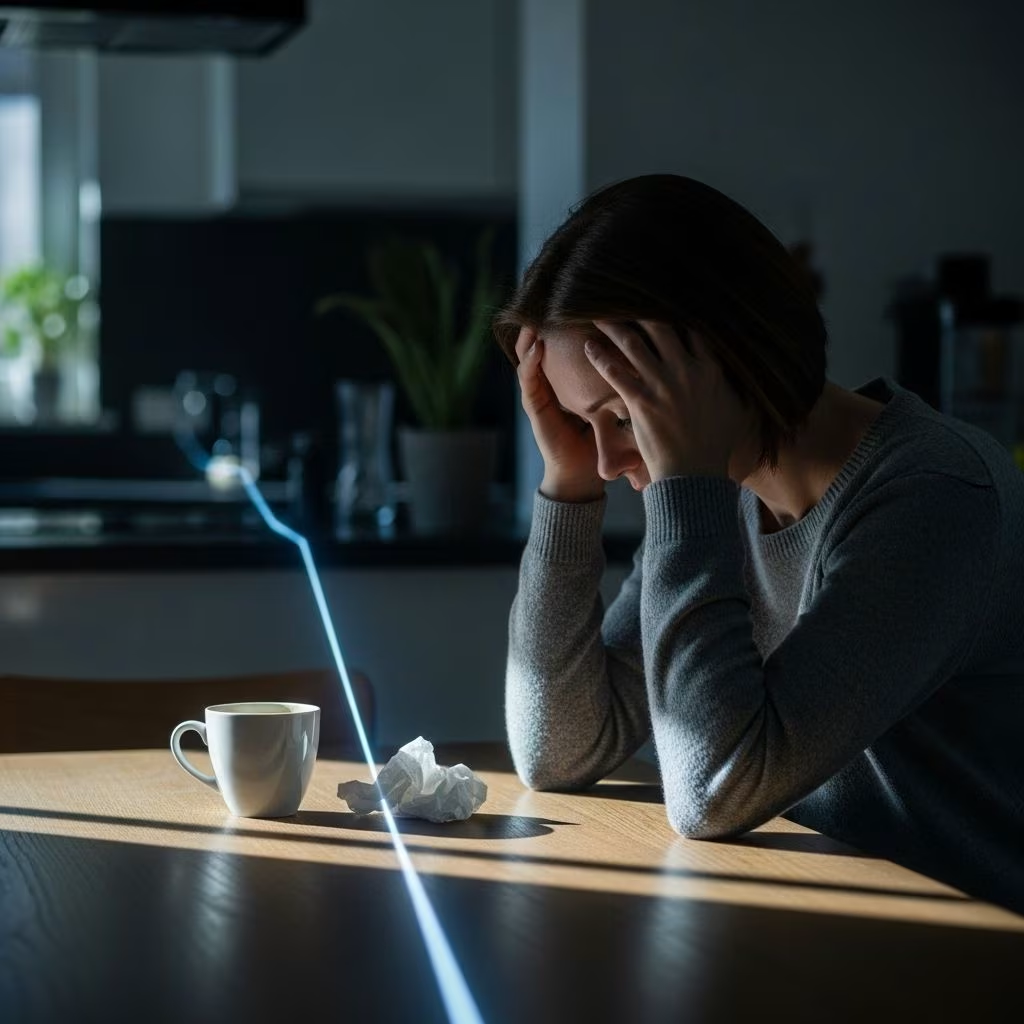
Should You Stay After Being Cheated On? Insights From Real Women
Infidelity is one of the most challenging struggles a relationship can face. Is it possible to rebuild trust, rediscover love, or is moving on the only way forward? This article explores the journeys of 10 women who chose to stay after being cheated on, sharing their raw experiences, the complex emotions they navigated, and what their decisions truly meant for their future. Alongside their stories, experts weigh in on why betrayal happens, whether forgiveness is possible, and how to decide what’s best for you.
10 Women’s Experiences: Why They Stayed
Every relationship is unique, and so is every story of surviving infidelity. Here are the voices of 10 women who stayed after being cheated on, explaining their choices and what happened to their relationships:
- Searching for a Deeper Reason: Some women found that cheating surfaced deeper issues—loneliness, communication breakdowns, or unmet emotional needs. Addressing these underlying problems, rather than just the affair itself, was central to moving forward.
- Forgiveness As a Form of Strength: For several, forgiveness wasn’t about excusing the betrayal, but about taking control over their healing and choosing whether to rebuild on new terms.
- Belief in Change: Some women saw their partners’ remorse and effort as genuine. This motivated them to give the relationship another chance, often with clearer boundaries and renewed honesty.
- Fear of Starting Over: The fear of losing a shared life, children, or a long-term partnership played a significant role. For others, the idea of being alone outweighed the pain of staying, at least initially.
- Unexpected Outcomes: In some cases, the act of rebuilding trust created an even stronger bond. For others, staying revealed persistent issues and ultimately led to separation, but with more closure and understanding.
The decisions varied—with stories of healing, regret, empowerment, and heartbreak forming an honest tapestry of what living through infidelity really means.
Why Do People Cheat? Expert Perspectives
Cheating is often a symptom, not the root of relationship trouble. Experts and recent studies point to several core reasons why infidelity occurs:
- Lack of emotional fulfillment: Many feel unloved, unappreciated, or ignored and seek validation elsewhere.
- Desire for excitement or passion: Routine and ‘monogamy malaise’ can reduce desire, especially for women over time; cheating sometimes reignites sexual interest.
- Revenge, curiosity, or opportunity: Sometimes the affair is about retaliation, or simply arises from a tempting situation.
- Underlying dissatisfaction: Chronic unhappiness, mismatched life goals, or unresolved resentments can make the appeal of an affair stronger.
Ultimately, no single reason explains every instance of infidelity, and experts caution against quick judgements.
Can Forgiveness Heal Relationships After Cheating?
Forgiveness is possible—but difficult. Several studies suggest that while some couples emerge stronger, others struggle to move past hurt, suspicion, and lost trust. In particular:
- Rebuilding Trust Takes Time: Almost half of married respondents who admitted to cheating waited six months or more to tell their partner, indicating how difficult full transparency can be.
- The Role of Communication: Directly addressing issues, being honest about feelings, and discussing boundaries are critical for healing.
- No Guarantees: Some couples never recover fully, and dragging on in a wounded relationship can be more painful than choosing to leave.
Forgiveness isn’t a one-time event—it’s an ongoing process of rebuilding trust and emotional safety. For many, therapy, couples counseling, and support networks are invaluable at this stage.
Are Cheaters Likely to Cheat Again?
| Research Finding | Implication |
|---|---|
| People who cheated in one relationship were three times more likely to cheat in the next. | Past behavior can be a predictor of future actions, suggesting some individuals follow patterns. |
| Suspecting a partner of cheating increases likelihood of future suspicion. | Trust issues can carry over, making recovery more complex. |
| Repeated lying desensitizes negative emotions about dishonesty. | Repeated cheating may become easier emotionally for some, making patterns harder to break. |
While “once a cheater, always a cheater” isn’t universally true, studies warn that unresolved issues or repeated betrayals make recurrence more likely.
Emotional Fallout: Navigating Anger, Grief, and Insecurity
Being cheated on often triggers intense, unpredictable emotions—anger, humiliation, anxiety, distrust, and grief. Based on real accounts and studies:
- Personal Identity Shifts: Many women questioned their self-worth and attractiveness, while also reassessing what they wanted from a partner.
- Fear and Paranoia: Suspicion and hyper-vigilance commonly followed infidelity, making simple day-to-day interactions stressful.
- Coping Mechanisms: Journaling, therapy, confiding in friends, or focusing on personal goals helped several women regain balance.
- Impact on Children and Family: Those with children expressed greater anguish over how cheating might affect their family, intensifying the struggle to decide whether to stay.
The journey through these emotions is deeply personal, and no two experiences look alike.
Micro-Cheating: Is It Infidelity?
“Micro-cheating” refers to behaviours that flirt with infidelity—like secret texting, online flirting, or hiding intimate conversations from a partner.
- Not always physical: Micro-cheating can include emotional affairs, secretive but non-sexual interactions, or inappropriate social media behaviour.
- Subjective boundaries: What counts as cheating varies by couple. For some, online flirting is harmless; for others, it’s a breach of trust.
- Secrecy is key: Experts warn that deliberate concealment of actions is often what transforms micro-cheating into a serious issue.
To avoid misunderstandings, couples are encouraged to openly discuss their definitions and boundaries around fidelity.
Deciding to Stay, Leave, or Rebuild
What matters most after infidelity is whether recovery aligns with your values and emotional needs. Here are expert-recommended steps:
- Assess the Situation Honestly: Why did cheating happen? Is your partner genuinely remorseful? Is healing possible?
- Prioritize Communication: Open, honest discussion about feelings, needs, and boundaries is crucial.
- Seek Professional Help: Couples counseling or individual therapy can provide tools for healing trust and emotional scars.
- Define Your Non-Negotiables: Identify what you need to stay—whether forgiveness, changed behaviour, or new boundaries—and what would be an absolute dealbreaker.
- Be Prepared for Either Outcome: Some relationships thrive after forgiveness, others end—both can be healing journeys, depending on what you choose.
Ultimately, the process is deeply individual. There is no “right” or “wrong” decision—just what leads to genuine happiness, safety, and growth for you.
Frequently Asked Questions (FAQs)
Q: Can a relationship survive cheating?
A: Yes, some relationships do survive infidelity, but success depends on honest communication, willingness to rebuild trust, and both partners’ commitment to change.
Q: Are repeat cheaters a lost cause?
A: While patterns can emerge, not all cheaters are doomed to repeat; personal growth or therapy may shift behaviour, but vigilance is advised.
Q: Is micro-cheating just as bad as physical cheating?
A: The impact depends on the couple’s boundaries and definitions. Transparency is key: secrecy commonly leads to emotional damage.
Q: What signs point to a partner cheating?
- Sudden secrecy, especially about phones or online interactions
- Unexplained changes in routine
- More time spent away or with “friends” you don’t know
- Negative remarks about your partner from others
Q: Why do people cheat even if they say they love their partner?
A: Cheating may occur despite love, often due to emotional dissatisfaction, desire for novelty, or unresolved personal issues.
Key Takeaways From Women Who Stayed
- Surviving infidelity is possible, but requires time, openness, and support.
- Forgiveness does not guarantee happiness; decisions should be made based on growth and self-respect.
- Some relationships can become stronger, while others reveal the need for separation.
- Your worth is never defined by someone else’s betrayal—healing is personal.
References
- https://www.elitedaily.com/dating/gentlemen/the-truth-behind-cheating
- https://www.elitedaily.com/p/how-do-women-cheat-a-new-study-finds-that-female-cheaters-take-charge-in-affairs-12619836
- https://www.businessinsider.com/science-has-shown-that-once-a-cheater-always-a-cheater-could-actually-be-true-2017-8
- https://www.elitedaily.com/p/what-is-micro-cheating-experts-explain-whether-not-this-really-counts-as-infidelity-9445074
- https://www.elitedaily.com/p/does-cheating-make-you-happy-a-new-study-finds-that-your-gender-is-a-huge-factor-9958851
- https://www.elitedaily.com/p/why-do-people-want-to-cheat-a-psychiatrist-explains-the-urge-even-for-people-in-love-11987134
- https://www.elitedaily.com/p/can-a-relationship-survive-cheating-a-new-study-found-the-chances-arent-promising-17042759
- https://www.the-independent.com/life-style/cheater-repeat-once-always-people-infidelity-unfaithful-relationships-scientists-university-college-london-a7899451.html
- https://onlinelibrary.wiley.com/doi/10.1111/pere.12457


