


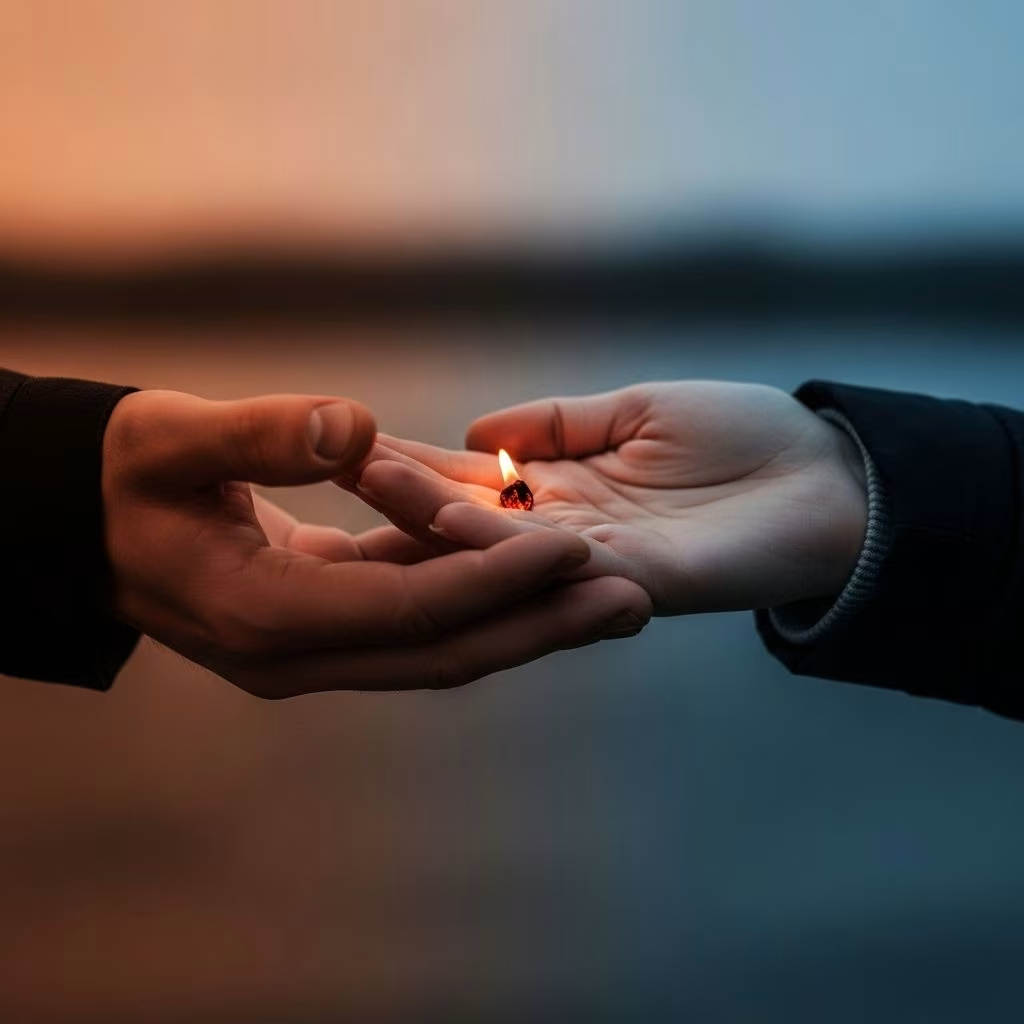
Here’s How You’ll Know When the Spark in Your Relationship Has Faded
In the passionate early days of most relationships, every look, text, or touch from your partner can feel electric. But as time passes, you might begin to wonder if something fundamental has changed. What does it mean if the spark in your relationship has faded? How do you recognize the signs, and is it possible to revive the connection? According to relationship experts, the answer is complex — but the clues are often right in front of you.
What Does It Mean for the Spark to Fade in a Relationship?
When experts talk about the “spark” in a relationship, they describe it as the blend of excitement, passion, and anticipation that draws two people together and makes being with your partner feel emotionally rewarding. But over time, that feeling can diminish, turning from a burning flame into a dim ember — or sometimes, disappearing altogether.
Dating and relationship writer Demetrius Figueroa describes the loss of spark as a shift where “someone who once made your heart race doesn’t create that same reaction anymore.”
You might feel as if you’re in a relationship with someone who now feels almost like a stranger. What began as passion and longing can start to feel like an obligation or routine you no longer look forward to. Life coach Nina Rubin points out that this change is usually more than just a vague sense something is missing: “It’s a feeling. You may notice yourself attracted to other people or realizing you’d be fine without the relationship.”
Why Does the Spark Die?
The reasons for the spark fading are as unique as each relationship, but some themes consistently emerge in expert conversations:
- Comfort Turns into Complacency: The little extra efforts you once made — from dressing up for each other to planning thoughtful surprises — gradually wane as each partner becomes comfortable and stops pushing for novelty.
- Growing Apart: Over time, both partners change as individuals. If that personal growth isn’t aligned, you may find you have less in common or that your values and goals no longer mesh. “People grow and change, and sometimes, the spark dies because a couple grows in two different directions,” Figueroa explains.
- Lack of Effort: Romance expert Frank Kermit notes that the erosion of the spark is often most evident when each partner stops making an effort for the other — from forgetting milestones to neglecting small daily gestures of affection.
- Routine and Predictability: Life events — work, family obligations, household routines — can push relationships to the bottom of the priority list, leaving little room for playfulness or adventure.
- Busy Schedules and External Stress: With time, outside pressures can dominate a couple’s shared life, reducing the opportunity for shared experiences, romance, and even basic communication.
Is It Normal for the Spark to Fade?
According to experts, it’s entirely normal for relationships to go through cycles of passion, quiet comfort, and possible boredom. The initial excitement — often called the “honeymoon phase” — is typically unsustainable long-term. Transitioning out of this stage can feel like losing the spark, but it may also signal the development of a deeper, steadier bond. However, if that feeling of connection is replaced with persistent indifference, resentment, or loneliness, it might indicate a more serious shift.
Does a Faded Spark Mean the Relationship Is Over?
Losing the spark does not always mean the end of your relationship. Many long-term couples experience a reduction in passion but find new forms of connection, partnership, and love. It’s possible to work together to reignite passion, as long as both partners are willing to communicate, reflect, and invest in the relationship. However, as Rubin notes, “If your personalities just don’t mesh romantically,” or if you have simply outgrown each other, it might be healthiest to part ways.
Major Signs the Spark Has Faded
So, how do you know if what you’re experiencing is just a lull — or if the spark has truly gone out? Relationship experts suggest watching for the following key signs:
- Lack of Romantic Interest: You (or your partner) stop showing physical and emotional affection. Hugs, kisses, hand-holding, or flirtatious texts feel forced — or disappear altogether.
- Desire for Time Apart: One or both partners begin craving more “me time,” preferring solo activities or time with friends over quality moments together. The presence of your partner is no longer something you look forward to.
- Emotional Disengagement: Deep talks and emotional sharing vanish, replaced by surface-level exchanges or long silences. Arguments may become more frequent or, conversely, you stop caring enough to fight at all.
- Lack of Intimacy: Physical intimacy declines, whether it means less sex or simply less desire to touch, cuddle, or express affection.
- Routine Becomes Stagnation: Daily life is a repetitive cycle. Surprises, laughs, or spontaneous plans are rare or nonexistent. Playfulness has been replaced with predictability.
- Little or No Effort Invested: The small acts that used to nurture the relationship — thoughtful notes, remembering special dates, making plans — stop.
- Feeling Obligated Rather Than Enthusiastic: The relationship starts to feel like a duty, rather than something you actively want to nourish.
- Thinking About or Wanting Other People: Daydreams about others, or even mild flirting outside the relationship, become more appealing.
- Emotional Withdrawal: One or both partners have mentally “checked out.” You might feel unaffected by the thought of the relationship ending.
Expert Insights: Why These Signs Matter
Demetrius Figueroa recommends honestly reflecting on whether you have noticed shifts in your own or your partner’s behavior. Are you less interested in shared experiences? Do you avoid meaningful conversations? If the answer is yes, it’s time to acknowledge what’s happening. As life coach Nina Rubin points out, realizing you’re “fine” without your partner, or simply feeling indifferent about their presence, is a big red flag that your romantic attachment may have changed.
Why Does This Happen? The Common Causes of Fading Passion
Relationships naturally evolve, but several root causes are common culprits in the loss of spark. Experts frequently cite:
| Cause | Description |
|---|---|
| Comfort & Complacency | Becoming too comfortable can lead to neglecting romance and novelty, turning comfort into routine. |
| Growth in Different Directions | Partners evolve, often discovering their values or dreams have diverged since the start of the relationship. |
| Outside Stress & Busyness | Work, family, and life obligations drain emotional and physical energy from the partnership, leaving little for each other. |
| Lack of Communication | Communication is crucial. When partners stop sharing thoughts and emotions, disconnection grows. |
| Unmet Needs & Love Languages | When partners fail to meet each other’s emotional needs, often because their ways of giving and receiving love differ, the relationship may stagnate. |
Is It Possible to Get the Spark Back?
Many relationships go through periods of low passion, but experts agree that, in most cases, the spark can be rekindled with deliberate effort. Here’s how couples can work together to nurture a fading bond:
- Communicate Openly: Talk honestly about how you’re feeling. Express fears, disappointments, and desires directly.
- Prioritize Each Other: Make time for your partner, even if life is busy. Carve out regular moments for connection, whether that’s a date night or simply an evening walk together.
- Reintroduce Novelty: Plan unexpected dates, try new activities, or revisit the places and experiences that once excited you both.
- Show Appreciation: Practice gratitude by acknowledging your partner’s qualities and expressing thanks for their efforts, big or small.
- Maintain Physical Affection: Even small gestures, like hugging or holding hands, keep intimacy alive.
- Consider Counseling: If issues persist, couples therapy can provide tools and a neutral space to navigate disagreements or stagnation.
Important note: Not all relationships can or should be saved, especially if your core values, desires, or emotional needs remain unmet. Sometimes, the healthiest choice is to acknowledge the end so both people can pursue happiness independently.
When to Move On
- You feel persistently irritated by or indifferent to your partner.
- Communication has broken down completely and efforts to repair it haven’t worked.
- You no longer share common goals or values.
- Your desire for intimacy has faded with no wish to recover it.
- You find yourself thinking more about separation or life without your partner — and it brings relief.
EliteSingles experts advise that if these issues persist and attempts at reconnection fail, it might be time to respectfully end the relationship and allow both individuals to grow.
Frequently Asked Questions (FAQs) About Relationship Sparks
Q: Is it normal to feel less passionate as the relationship ages?
A: Yes, most couples will notice a natural progression from intense infatuation to a more grounded form of love. This transition is normal as long as both partners remain emotionally connected and fulfilled.
Q: Is the “spark” essential for long-term success?
A: The spark can be replaced by deeper forms of commitment and companionship, but if both individuals need passion to feel satisfied, losing it for good could cause problems.
Q: Can busy schedules really cause the spark to fade — and can it be fixed?
A: Absolutely. Life’s responsibilities often push romance to the backburner. Reprioritizing your relationship and scheduling special time together can help reignite connection.
Q: What’s the difference between comfort and complacency?
A: Comfort is healthy; it’s a sign you feel safe and relaxed. Complacency means taking your partner for granted and no longer striving to bring joy or novelty into the relationship. The latter is what drains the spark.
Q: How do I talk to my partner about the spark fading?
A: Be direct but compassionate. Use “I” statements to own your feelings (e.g., “I feel like we’re losing some of the closeness we had before”). Be specific, suggest ways to reconnect, and listen to your partner’s perspective.
Key Takeaways
- It’s normal for romantic excitement to ebb and flow, but a persistent lack of affection, emotional distance, or indifference should be taken seriously.
- The main causes experts identify are complacency, emotional disengagement, external stress, and growing apart.
- Open communication, deliberate effort, shared novelty, and outside support can help many couples reignite passion.
- If the essential ingredients of love are missing after serious effort, it may be time to move on in pursuit of greater happiness.
No matter where you are in your relationship, remember: you’re not alone in these feelings, and with honesty and care, you can navigate what comes next — whether that means rekindling the spark together or growing in new directions apart.
References
- https://www.elitedaily.com/p/how-to-know-the-spark-in-your-relationship-has-died-according-to-experts-12194145
- https://www.betterhelp.com/advice/love/how-to-love-someone-when-it-feels-like-the-spark-is-gone/
- https://www.elitedaily.com/dating/no-passion-relationship
- https://www.threads.com/@elite_femmes_hub/post/DI_dn-BsIza/the-real-reasons-the-spark-dies-comfort-turns-into-complacency-mystery-turns-int
- https://www.elitesingles.co.uk/em/from-single-to-couple/ending-a-relationship


