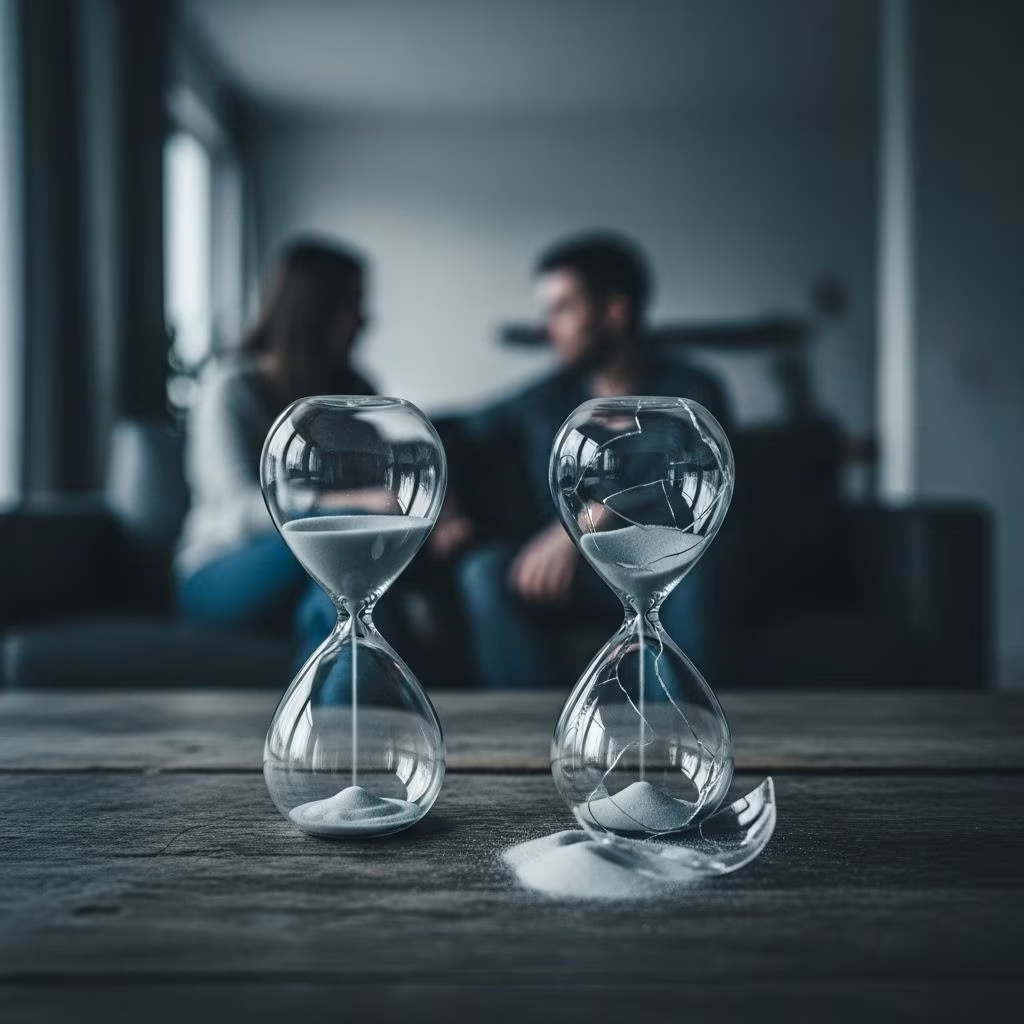
Assessing the longevity of a relationship involves looking at various aspects of your interactions and shared activities. While every relationship is unique, certain patterns can indicate whether a relationship is likely to last or if it might fizzle out over time. Here, we explore some key signs that your relationship might not be sustainable based on how you and your partner spend time together.
Introduction to Relationship Sustainability
Relationship sustainability is a multifaceted concept that depends on several factors, including emotional compatibility, shared life goals, and communication. However, one crucial aspect often overlooked is how partners spend their time together. This can reveal underlying issues or strengths in the relationship that could impact its longevity.
Signs of Unsustainability in Relationships
There are several signs to look out for that might indicate your relationship is not sustainable based on how you and your partner interact and spend time together:
- Lack of Future Planning: If you and your partner rarely discuss future plans or goals, it may indicate a lack of commitment or a different vision for your lives together.
- Emotional Disconnection: Feeling emotionally disconnected or unfulfilled in your interactions can be a sign that the relationship is not meeting your emotional needs.
- Overemphasis on Physical Connection: If your relationship is primarily based on physical attraction without a strong emotional or intellectual connection, it may not be sustainable in the long term.
- Dependency on Similar Interests: While sharing common interests can be positive, it can also lead to dependency if you stop pursuing individual interests and hobbies.
- Lack of Empathy: Failing to understand or empathize with each other’s feelings and experiences can lead to a fracture in the relationship.
- Unequal Decision-Making: If one partner consistently makes decisions without considering the other’s input, it can create resentment and undermine the relationship.
- Absence of Give and Take: A lack of compromise and mutual understanding can lead to a toxic dynamic where one partner feels drained or unvalued.
- Treatment of Others: Observing how your partner treats others can provide insight into how they might treat you in stressful situations.
- Feeling Obligated: If spending time together feels more like an obligation than a choice, it may indicate a deeper issue with commitment or satisfaction.
Why Spending Time Together Matters
The way you and your partner spend time together can reveal a lot about the health and potential longevity of your relationship. Shared activities and interactions provide opportunities for bonding, communication, and mutual understanding. However, if these interactions are lacking in depth or if they consistently leave one or both partners feeling unfulfilled, it could be a sign that the relationship is not sustainable.
Improving Relationship Sustainability
While identifying potential issues is important, it’s equally crucial to address them and work towards improving the sustainability of your relationship. Here are some strategies:
- Open Communication: Regularly discussing your feelings, needs, and goals can help align your visions and strengthen your bond.
- Pursue Shared and Individual Interests: Engaging in both shared hobbies and individual pursuits can foster personal growth and maintain a healthy dynamic.
- Practice Empathy and Understanding: Making an effort to see things from your partner’s perspective can enhance emotional connection and resolve conflicts more effectively.
- Cultivate Mutual Respect: Treating each other with kindness and respect can build a strong foundation for long-term commitment.
Frequently Asked Questions (FAQs)
Q: How can I tell if my relationship is sustainable based on how we spend time together?
A: Look for signs such as open communication, shared goals, and mutual respect in your interactions. Feeling emotionally connected and fulfilled during shared activities is also important.
Q: What if my partner and I mostly connect on a physical level?
A: While physical attraction is important, a successful relationship also requires emotional and intellectual connections. If your connection is primarily physical, consider whether it’s sustainable in the long term.
Q: How can I improve the sustainability of my relationship?
A: Engage in open communication about your feelings and needs, pursue both shared and individual interests, and cultivate empathy and mutual respect towards each other.
References
- https://www.powerofpositivity.com/signs-relationship-isnt-going-to-last/
- https://www.bustle.com/articles/171312-11-signs-your-relationship-probably-isnt-going-to-last
- https://www.bustle.com/p/how-to-tell-if-a-new-relationship-will-last-fizzle-out-quickly-9314513
- https://drdanielleforshee.com/bustle-7-signs-your-relationship-wont-last-after-the-first-3-months-of-dating/
- https://www.sdrelationshipplace.com/18-early-signs-your-partner-is-the-one-as-seen-in-bustle/
- https://www.elitedaily.com/p/5-signs-you-your-partner-wont-last-in-marriage-according-to-expert-9189865
- https://imrappaport.com/media/