


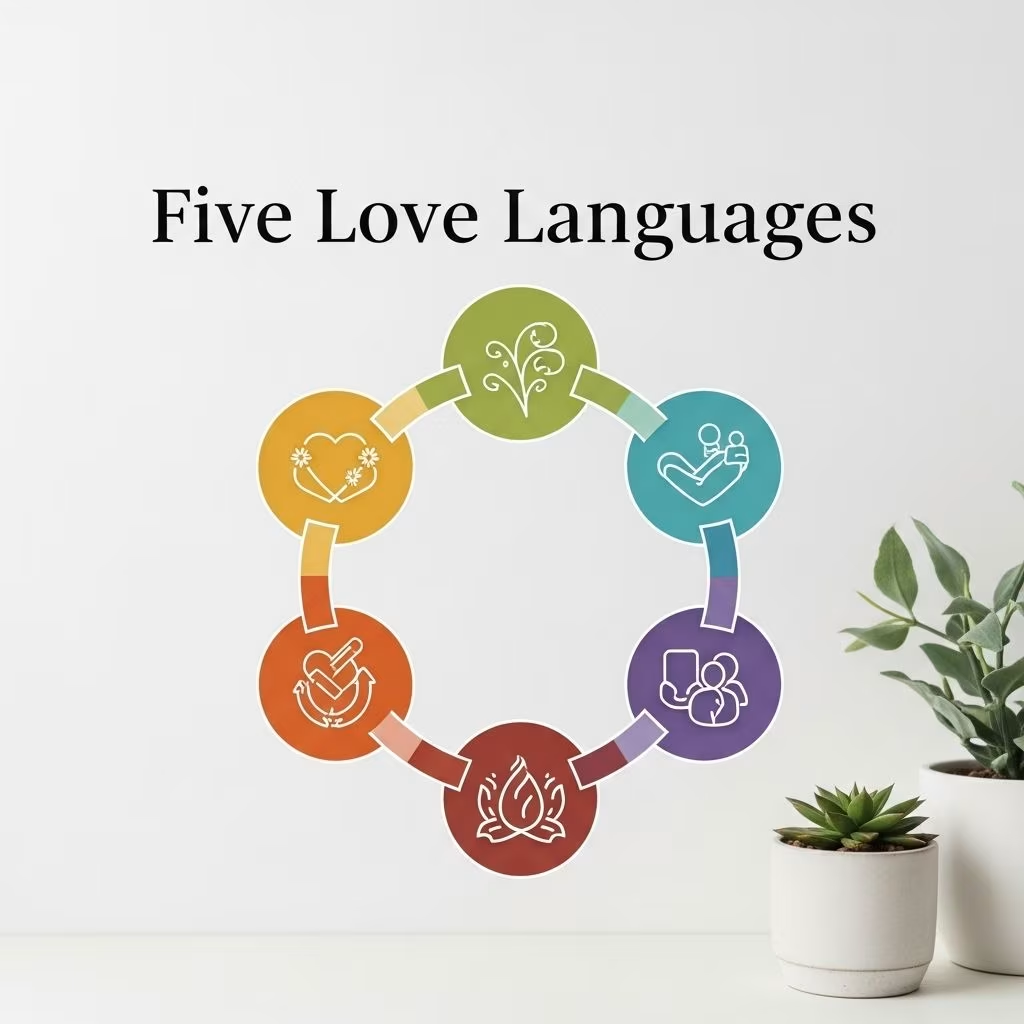
The Five Love Languages: A Deep Dive Into Lasting Love
If building a meaningful, lasting relationship feels more complicated than ever, you’re not alone. Modern romance requires partners to communicate clearly, overcome misunderstandings, and meet each other’s emotional needs. At the heart of these challenges lies a powerful framework: The Five Love Languages. Developed by marriage counselor Dr. Gary Chapman, the concept revolutionized how millions understand intimacy and connection. This article is your complete guide to the five love languages—how they shape relationships, how to identify your own and your partner’s, and practical ways to put this knowledge into action.
What Are the Five Love Languages?
According to Dr. Chapman’s groundbreaking book, every person naturally gives and receives love in specific ways, called love languages. When couples don’t share the same languages, their efforts to show love can be lost in translation—even if both are deeply committed. The five love languages are:
- Words of Affirmation
- Quality Time
- Receiving Gifts
- Acts of Service
- Physical Touch
Let’s explore each one, including real-life examples, common signs, and actionable tips for every type.
1. Words of Affirmation
People whose primary love language is Words of Affirmation feel most loved when they hear verbal expressions of appreciation, encouragement, and affection. Kind words, text messages, and thoughtful compliments fuel their emotional well-being.
- Examples: “I’m proud of you,” “Thank you for everything you do,” “You mean so much to me.”
- What resonates: Unsolicited compliments, heartfelt notes, verbal reassurances.
- Challenges: Harsh criticism and being ignored can be particularly hurtful.
- How to connect: Send daily affirmations, leave sticky notes, or verbally express love when parting or reuniting.
2. Quality Time
For some, nothing says “I love you” like undivided attention. Quality Time is about meaningful interactions—shared activities, focused conversations, and simply being present. Technology distractions and postponed plans can make these individuals feel neglected.
- Examples: Uninterrupted dinners, weekend getaways, fireside chats, shared hobbies.
- What resonates: One-on-one time, eye contact, active listening, and eliminating distractions.
- Challenges: Checking your phone frequently, multitasking, or consistently canceling plans is especially painful.
- How to connect: Schedule regular date nights, establish device-free zones, or plan thoughtful surprise outings.
3. Receiving Gifts
Receiving Gifts isn’t about materialism—it’s about the meaning, thoughtfulness, or effort behind a present. For these individuals, gifts are tangible reminders of being cherished and understood.
- Examples: Bringing home a favorite snack, crafting a handmade item, sending flowers without an occasion, or commemorating milestones with a special token.
- What resonates: Thoughtful, personalized presents—not necessarily expensive, but meaningful.
- Challenges: Forgetting an anniversary or giving generic, last-minute gifts may signal neglect.
- How to connect: Surprise your partner with a small, thoughtful item, leave a sentimental token, or celebrate even small achievements with a gesture.
4. Acts of Service
Nothing says “I love you” to these people like easing their burdens. Acts of Service is about selflessly doing things that make a partner’s life easier—demonstrating love through helpful actions rather than words or things.
- Examples: Preparing coffee, running errands, fixing something broken, handling chores without being asked.
- What resonates: Proactive help, reliability, and finishing what you promise.
- Challenges: Broken commitments, forgotten promises, or needing constant reminders can cause lasting hurt.
- How to connect: Propose taking a task off their plate, organize the home, or cook their favorite meal as a surprise.
5. Physical Touch
Physical connection is fundamental for some people. Physical Touch involves hand-holding, hugs, kisses, cuddling, or any comforting gesture. For these individuals, a simple embrace can say more than any words ever could.
- Examples: Hugs hello and goodbye, holding hands while walking, a gentle touch on the shoulder, back rubs, physical closeness during tough times.
- What resonates: Nonverbal affirmations—affectionate, appropriate physical contact.
- Challenges: Physical distance, rejection of touch, or lack of spontaneous affection can leave them feeling isolated.
- How to connect: Initiate spontaneous physical affection, offer massage after a long day, or simply stay close during difficult conversations.
Decoding Your Own and Your Partner’s Love Language
Discovering your primary love language (and your partner’s) unlocks new possibilities for harmony and fulfillment. Most people naturally use their own primary language when expressing love—but understanding what your partner needs can radically deepen your bond.
Here are a few strategies to identify your unique love language:
- Reflect on what hurts you most in relationships—often, the opposite reveals your love language.
- Notice how you show love to others. Do you leave notes, plan dates, or offer help?
- Pay attention to what you request from partners: Do you ask for hugs, support, gifts, or time together?
- Observe where disappointment or arguments arise in your relationship. Do they relate to unspoken emotional needs?
- Try taking an official Love Languages quiz for more structured insight.
A Table for Quick Reference: The Five Love Languages
| Love Language | How It’s Expressed | What To Do | What Hurts |
|---|---|---|---|
| Words of Affirmation | Verbal encouragement, compliments, kind words | Express appreciation often, write notes | Criticism, silence |
| Quality Time | Uninterrupted conversations, shared activities | Plan one-on-one time, listen fully | Distraction, postponing plans |
| Receiving Gifts | Gifts as symbols of love | Thoughtful gifts, special surprises | Missed celebrations, thoughtless gifts |
| Acts of Service | Helpful tasks, easing burdens | Proactive help, follow through on actions | Laziness, letting down promises |
| Physical Touch | Hugs, kisses, hand-holding, cuddles | Initiate touch, be affectionate | Physical neglect, withdrawal |
Applying the Five Love Languages in Everyday Life
Learning about love languages is only the beginning—the real transformation comes from thoughtful, daily practice. Here’s how couples can actively nurture their bond using the five love languages framework:
- Communicate openly: Share your love languages with your partner. Make it a conversation, not a demand.
- Practice empathy: Recognize that your partner’s needs may be different from yours—and they are valid.
- Change your habits: If you’re not naturally expressive with words, set reminders to say “I love you.” If your partner craves touch, initiate hugs or hold hands more often.
- Celebrate differences: Viewing differences in love languages as strengths allows each person to contribute something unique to the relationship.
- Check in regularly: Ask your partner if they feel loved, or if their needs have evolved. Needs can shift over time.
- Show consistency: Small, repeated gestures matter more than grand, rare declarations.
Common Challenges and How to Overcome Them
- Partners may have different primary love languages. This is normal—and manageable! The key is curiosity, willingness to learn, and trying new approaches.
- Misunderstandings can occur. If one partner offers love through service but the other craves words, both can wind up feeling unappreciated. Communication bridges the gap.
- Effort feels awkward at first. Giving love in a non-primary language can take practice. The payoff is deeper intimacy and fewer resentments.
Remember, learning each other’s love languages isn’t about ‘fixing’ anyone, but about celebrating and connecting in ways that matter most to both partners.
Do Love Languages Only Apply to Romantic Relationships?
While they originated in the context of romantic partnerships, love languages also illuminate how we connect with family, friends, and even colleagues. Adjusting your approach in platonic or work relationships can improve connection, reduce miscommunication, and foster positive environments.
- With family, knowing a parent or sibling values acts of service might mean taking time to help with chores or errands.
- With friends, sending a heartfelt message or making time for a coffee date can have remarkable impacts.
Frequently Asked Questions (FAQs)
Q: Can people have more than one love language?
A: Yes, most people have both a primary and a secondary love language. Both are important, but typically one will resonate more deeply in meeting your core emotional needs.
Q: Do love languages change over time?
A: They can. Life transitions, personal growth, and relationship experiences may shift which languages feel most nourishing. It’s wise to check in with yourself and your partner periodically.
Q: What if my partner doesn’t share my love language?
A: Differences are common. The key is respectful communication—share your needs, ask about theirs, and honor each other’s preferences with intentional effort.
Q: Does the concept have scientific backing?
A: While the five love languages model is supported by decades of anecdotal evidence from counseling and is widely embraced for its practical utility, empirical research is more limited. Yet many therapists and couples report positive results when applying the framework.
Q: Can love languages help resolve conflict?
A: Absolutely. Understanding each other’s love languages can dissolve misunderstandings and prevent resentment before it starts. Meeting emotional needs proactively lays a strong foundation for resolving disagreements gently and effectively.
Additional Resources
- The 5 Love Languages by Dr. Gary Chapman – the original book and website offer quizzes, exercises, and deeper explorations.
- Therapy and counseling – working with a professional can help unpack both spoken and unspoken needs.
Understanding and embracing the five love languages is not about changing who you are, but about noticing how you and your loved ones feel seen, valued, and cared for. By investing in this knowledge, you build a partnership capable of weathering challenges and growing stronger every day.
References
- https://en.wikipedia.org/wiki/The_Five_Love_Languages
- https://www.healthline.com/health/love-languages
- https://www.uagc.edu/blog/the-psychology-behind-the-5-love-languages
- https://www.helpguide.org/relationships/social-connection/the-5-love-languages-and-their-influence-on-relationships
- https://www.psychologytoday.com/us/blog/click-here-happiness/202009/what-are-the-5-love-languages-definition-and-examples
- https://5lovelanguages.com/learn


